

 admin
admin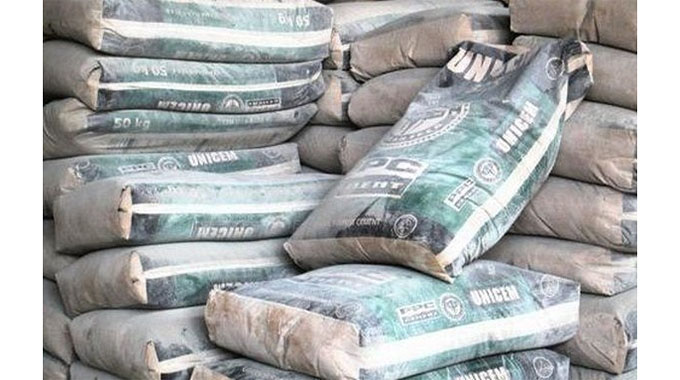
Senior Reporters
Cement shortages are expected to end soon after the largest producer, Khayah Cement and other producers told a stakeholders meeting that they had resumed production.
The engagement brought together producers, retailers and the Permanent Secretary in the Ministry of Industry and Commerce Dr Thomas Utete Wushe.
Shortages of cement on the local market and the growing demand over the past few months had led to a skyrocketing of prices which was now selling at around US$20 per 50kg, up from an average of US$10.
In a statement yesterday, Khayah Cement said normal production had resumed.
“As Khayah Cement, we are pleased to inform our stakeholders that we have since restored our mill and our operations are now back to normal. This will ensure that we meet the current demand and ensure a steady supply of cement to all our customers.
“Khayah Cement would like to advise that we have not increased our prices. Our recommended retail selling price for PCS and Superset is USD 10.50 and TL50,” reads the statement.
Khayah Cement also implored its retailers to be responsible citizens and pass on a fair price to the end users.
During the meeting, Portland Pretoria Cement’s head of legal affairs, Mr Shepherd Nyabadza also confirmed that they had resumed production at full capacity.
“We are in full production and we are able to supply the market although there are some challenges that have been observed in relation to some other players and we have been able to fill in the gap,” he said. “What is also key to note is that in terms of our prices is that has not changed from last year in terms of our popular categories still remains at US$10,50.”
Mr Nyabadza however, said the current electricity load shedding was also affecting their operations.
Dr Utete Wushe said they had called for the meeting to address the pricing and supply situation for the commodity.
“This meeting was called for as a result of a rise in prices. A bag of cement that would normally sell off at US$10,50 was now selling at between US$17 to US$20 in the shadow market so this called for a meeting with the Ministry and other Ministries involved in the supply chain and we saw it fit to call for this meeting,” he said.
He added that the meeting had come up with short to medium- and long-term solutions to resolve the issue.
“The short-term solution is to import the cement to cover the gap that is there and the ministry has been issuing licences and permits for players to import and we expect to see supply improving and the prices coming down. The medium -term solution is to look at the total annual demand and come up with numbers and figures of how the local and international supply figures can be covered and so that we maintain a full supply situation in the country,” Dr Utete Wushe said.
He added that they had agreed to look at the demand patterns of the commodity which would guide them on issuance of import permits to ensure continuous supply to the market.
The Permanent Secretary added that the long-term solution was to engage the current manufacturers so that they invest more in their production and also establish new plants.
The president of the Zimbabwe Building Contractors Association, Mr Petros Kagwere said the cost of cement has negatively affected their operations.
“As contractors we have been adversely affected. We were hoping that we would continue with this boom in the construction industry but the prices and the unavailability of cement has come as a challenge.
“We hope that after this engagement with the Ministry of Industry and Commerce we are going to find solutions soonest and the availability of cement will improve,” he said.
Mr Kagwere said the high prices and unavailability of cement would increase cost of projects and also the time to complete on-going projects.
Cabinet liberalised importation of cement by individuals and companies with free funds this week to curb the artificial shortages that led to the rise in prices.
The country produces approximately 2,6 million tonnes of cement annually with demand ranging from 1,5 million to 1,6 million tonnes per year.



 Online Reporter