

 Chronicle Editor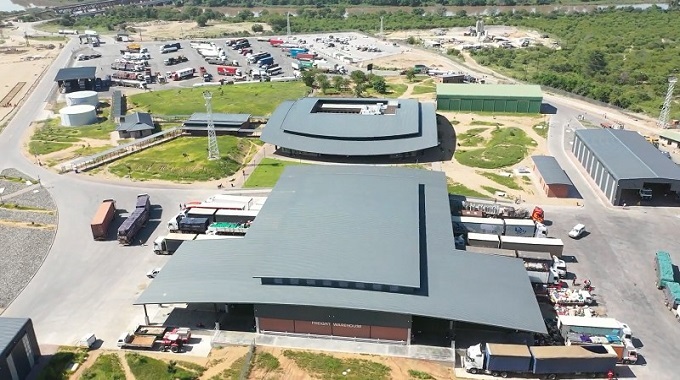
GOVERNMENT which has completed the modernisation of Beitbridge Border Post at a cost of US$300 million, says it will soon move to Chirundu, Victoria Falls and Forbes border posts to undertake similar work. The modernisation of the country’s busiest inland port of entry which included automation of services and separation of traffic to improve efficiency, was undertaken by ZimBorders on a Build, Operate and Transfer (BOT) arrangement.
In addition to having separate terminals for freight, buses, light vehicles and pedestrians, services are automated and the security systems have been upgraded and now use mostly biometrics to prevent undesirable elements from accessing the port of entry.
Zimbabwe Revenue Authority (Zimra) commissioner for customs and excise, Mr Batsirai Chadzingwa said this week that Government has put plans in motion to modernise Chirundu, Victoria Falls and Forbes border posts as part of its programme to promote ease of doing business as well as enhancing regional and international trade.
He said Zimra had since made recommendations to the Government on its expectations. Mr Chadzingwa said although the upgrading most of the border posts will be guided by the Beitbridge model, Zimra had recommended some additions on infrastructure.
“When the Beitbridge Border Post was modernised, there was no aspect to accommodate drone technology and now we are working on building a landing area for our big drone. This will help us on surveillance to curb leakages,” he said.
The fast cargo scanners, drone surveillance technology, sniffer dogs, separation of traffic and the beefed up security have contributed to Zimra’s improved revenue collection. It is our hope that Government will once again prioritise local contractors when it awards contracts for the planned projects meant to improve service delivery.
Local companies engaged to reconstruct the Harare-Beitbridge Highway and those that worked on the Beitbridge Border Post modernisation project, proved that they have the capacity to undertake such big projects. Government should however, demand value for money and as such should not allow what was happening in the past when contractors at times charged 10 times the actual cost of projects.
The Second Republic continues to record positives in the implementations of national projects which are not only improving service delivery but are stimulating economic growth. We want at this juncture to commend Government for taking a bold move to afford local companies an opportunity to demonstrate their capabilities.
Local companies on their part should continue striving for excellence as they work on these Government projects in order to shame our detractors. Awarding contracts to local companies does not only create jobs but also stimulates economic growth.
What is encouraging is that Zimbabwe is fast building internal capacities to create wealth and expand job opportunities for its citizens despite the illegal sanctions. This is as it should be. Ilizwe lakhiwa ngabaninilo/Nyika inovakwa nevene vayo.



 Online Reporter