

 Online Reporter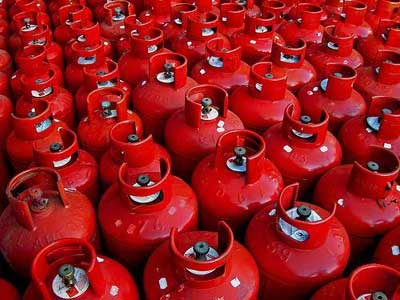
Michael Tome
Business Reporter
LOCAL firm, Bronzepels Investments, has started commercial production of liquefied petroleum gas (LPG) cylinders at its newly-established US$9,3 million plant in Mt Hampden.
The development marks a huge milestone in Zimbabwe’s emerging industrial manufacturing base and positions the company as a significant player in the domestic and regional market going forward.
The investment aligns with the Government’s industrialisation vision and efforts to boost domestic manufacturing and attract investments into key sectors.
Bronzepels plans to direct between 95 and 97 percent of its production into the export market to generate critical foreign currency and help cut Zimbabwe’s significant import bill for LPG cylinders.
“We look forward to exporting the bulk of our production as we target the SADC region. This will generate much-needed foreign currency and save the country’s import bill because these products are now manufactured locally,” said Bronzepels director Joyce Chirongoma in an interview.
This comes as SADC’s LPG cylinder gas market is experiencing growth, driven by policies like the Regional Gas Master Plan (RGMP), which aims to improve gas distribution infrastructure.
Ms Chirongoma added that the company’s gas cylinders have met stringent safety and quality standards following rigorous assessments by the Standards Association of Zimbabwe (SAZ), while approvals have also been secured from the SADC and COMESA regulatory authorities.
The company is now seeking International Standards Organisation (ISO) certification.
Broncepels expects its export-oriented model to help integrate Zimbabwe firmly into regional value chains while supporting industrial growth under Vision 2030.
The firm’s investment aligns with the broad objectives of the Zimbabwe National Industrial Development Policy (ZNIDP), the country’s strategic policy framework aimed at transforming the country’s industrial sector towards an upper-middle-income economy by 2030.
During the period 2019–2023, the policy focused on areas like enhancing manufacturing, agriculture, mining, and services, while the successor policy covering the period 2024–2030 is being developed to build on its achievements.



