Online Reporter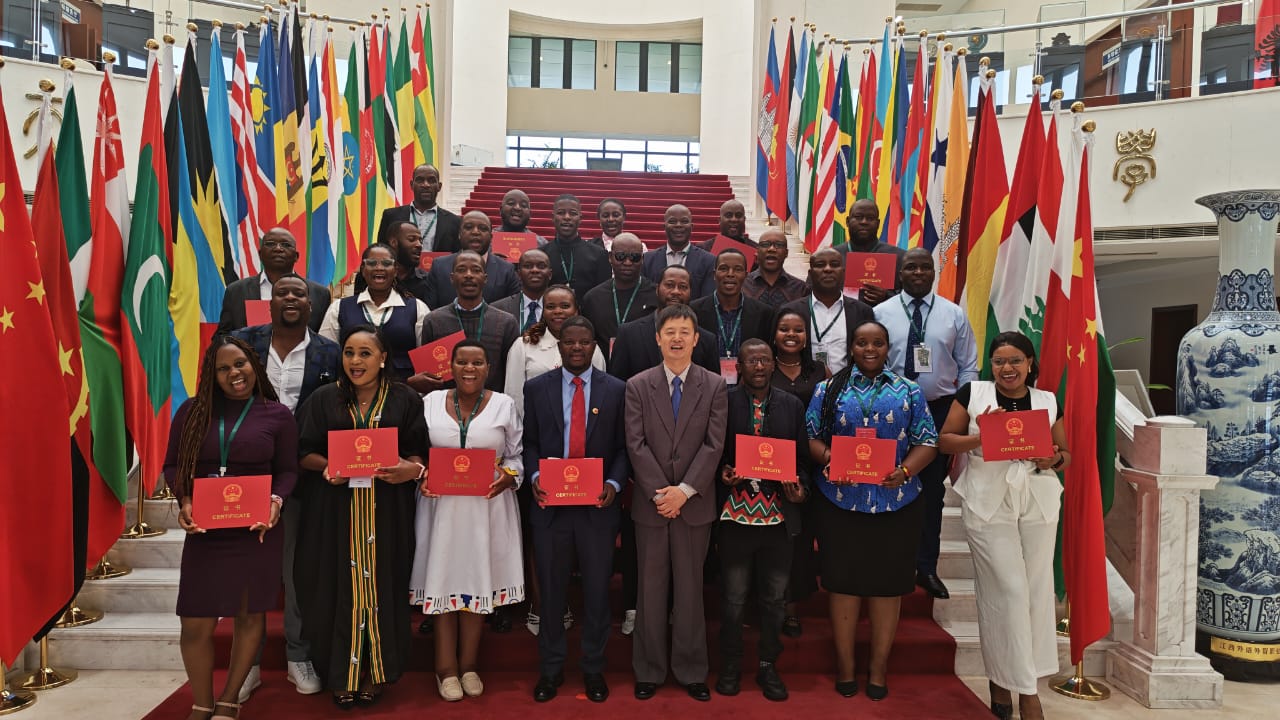
Bongani Ndlovu and Nqobile Bhebhe in BEIJING, China
ZIMBABWEAN journalists who attended a two-week Seminar for Media Professionals for Zimbabwe in Beijing say the programme broadened their understanding of China’s development trajectory, digital transformation and the strategic role of communication in nation-building.
Organised by the Academy for International Business Officials under China’s Ministry of Commerce, the seminar brought together 29 media practitioners from Zimbabwe, including seven journalists from Zimpapers.
Information, Publicity and Broadcasting Services Minister Dr Zhemu Soda led the delegation, and held high-level talks with China’s Minister of the National Radio and Television Administration, Cao Shumin here, marking a significant step in strengthening bilateral ties between the two nations.
The meeting saw the two ministers deliberate on a wide range of possible areas of cooperation aimed at modernising the information and communication sectors of both countries.
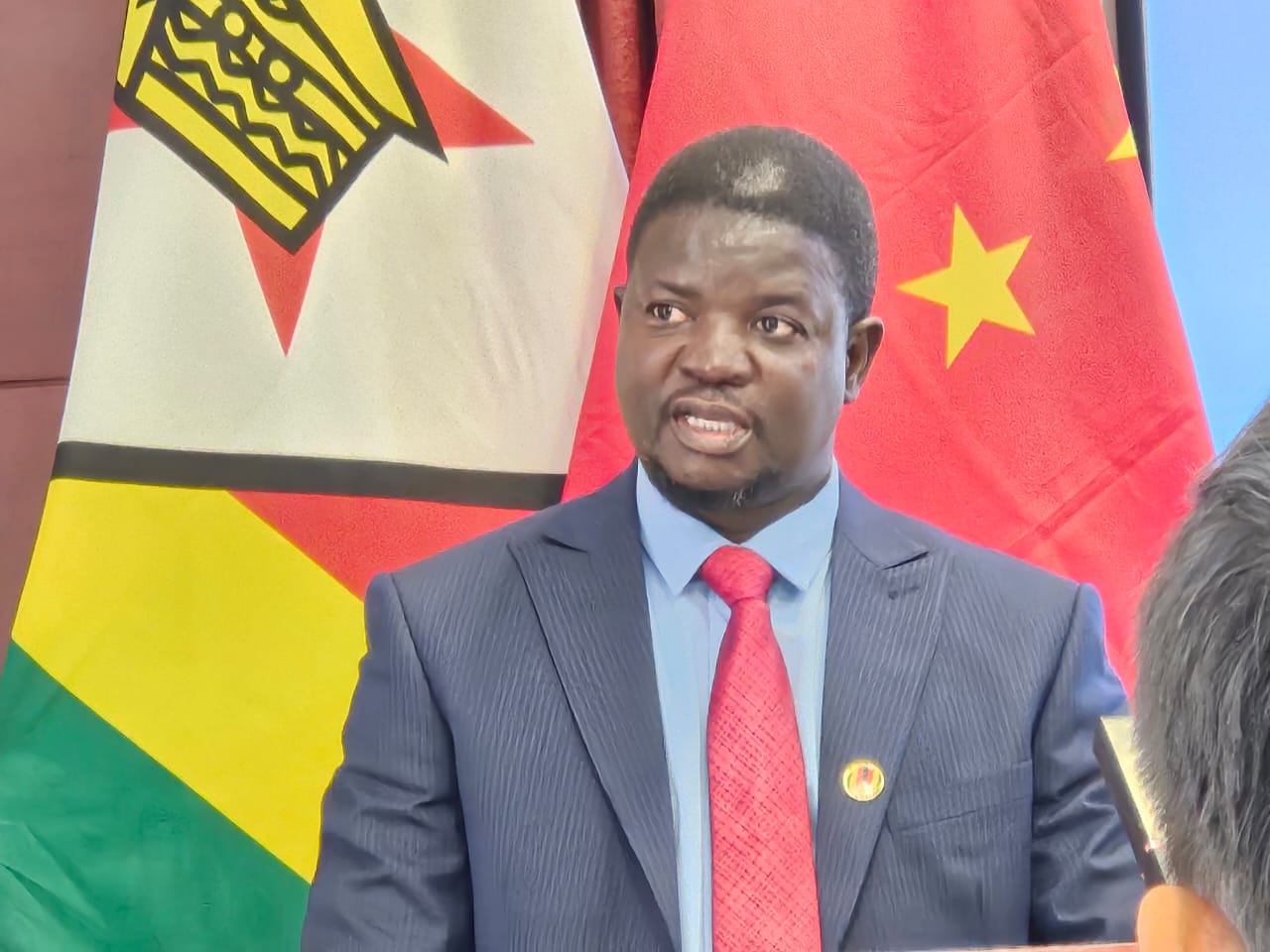
Chief Director of Government Messaging and Programmes in the Ministry of Information, Publicity and Broadcasting Services, Mr Jonathan Gandari, said one of the key lessons from China was the importance of coherent national communication systems anchored on culture and identity.
“What impressed me most is how the different pieces of communication are ordered in a coherent manner to do the same job but using their own format,” said Mr Gandari.
“For example, national visibility, how that is done by theatre, music, news, drama and all other forms of communication.”
He said communication should project a nation’s civilisation and identity.
“If you communicate and don’t communicate your civilisation, you have no heart, you have no soul, you are just starting from nowhere,” he said.
Mr Gandari said one facilitator challenged delegates to embrace cultural confidence and national identity.
“We learnt that China has come to where it is because of consistency, careful planning and confidence in their own inventions and civilisation,” he said.
Speaking during the closing ceremony on Wednesday, Director of Executive Department III at the Academy for International Business Officials, Mr Wei Wu, said the seminar had strengthened ties between Chinese institutions and international media practitioners.
“This seminar has built a richer bridge of communication and friendship between China and the macro-media circles,” he said.
“Through open exchange and in-depth sharing, we have enhanced mutual understanding, measured cognitive differences and laid a solid foundation for long-term media cooperation and academic exchanges between our two countries.”
Mr Wu said the programme had also exposed participants to China’s modernisation drive and regional initiatives such as the Belt and Road Cooperation. He urged participants to share their experiences upon returning home.
“I also hope that all of you will bring back our friendship and introduce the real China you have seen to your colleagues, friends and family members, and apply what you have learned in your work,” he said.
Mr Wu expressed hope for stronger ties between China and international media communities. Participants underwent lectures, institutional tours and exchanges focusing on media innovation, economic development, artificial intelligence, cultural communication and China’s modernisation journey.
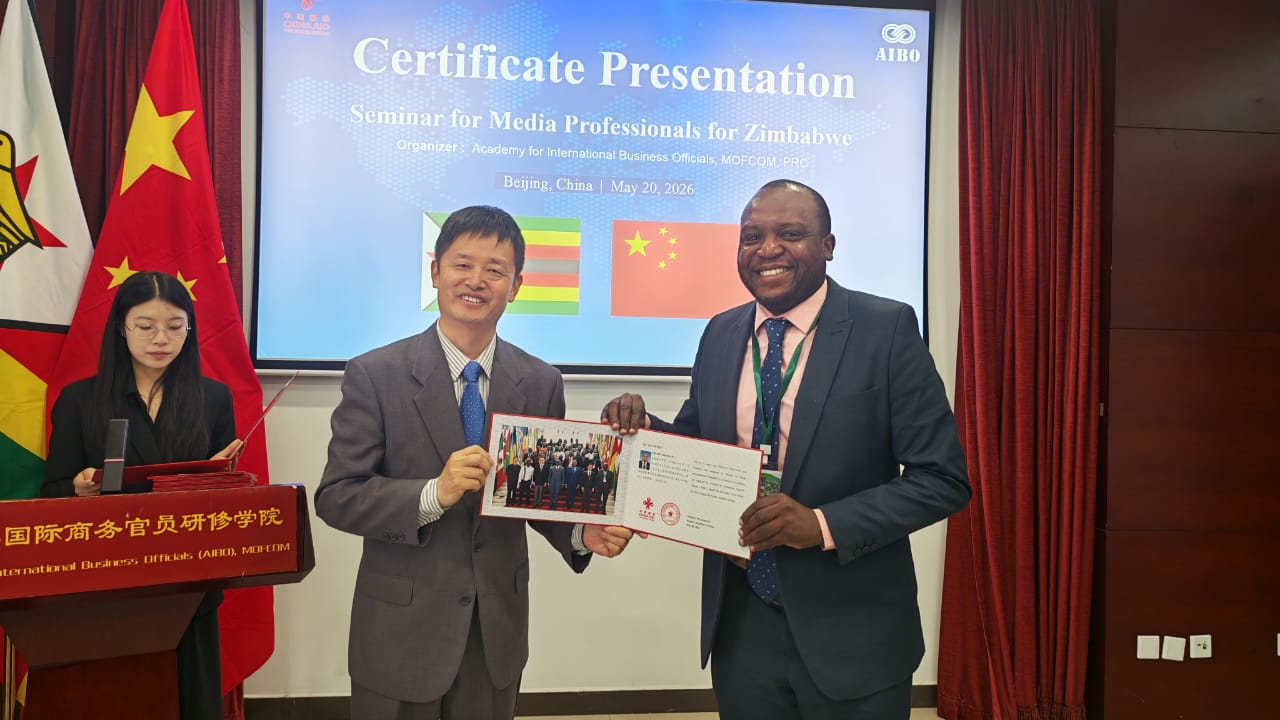
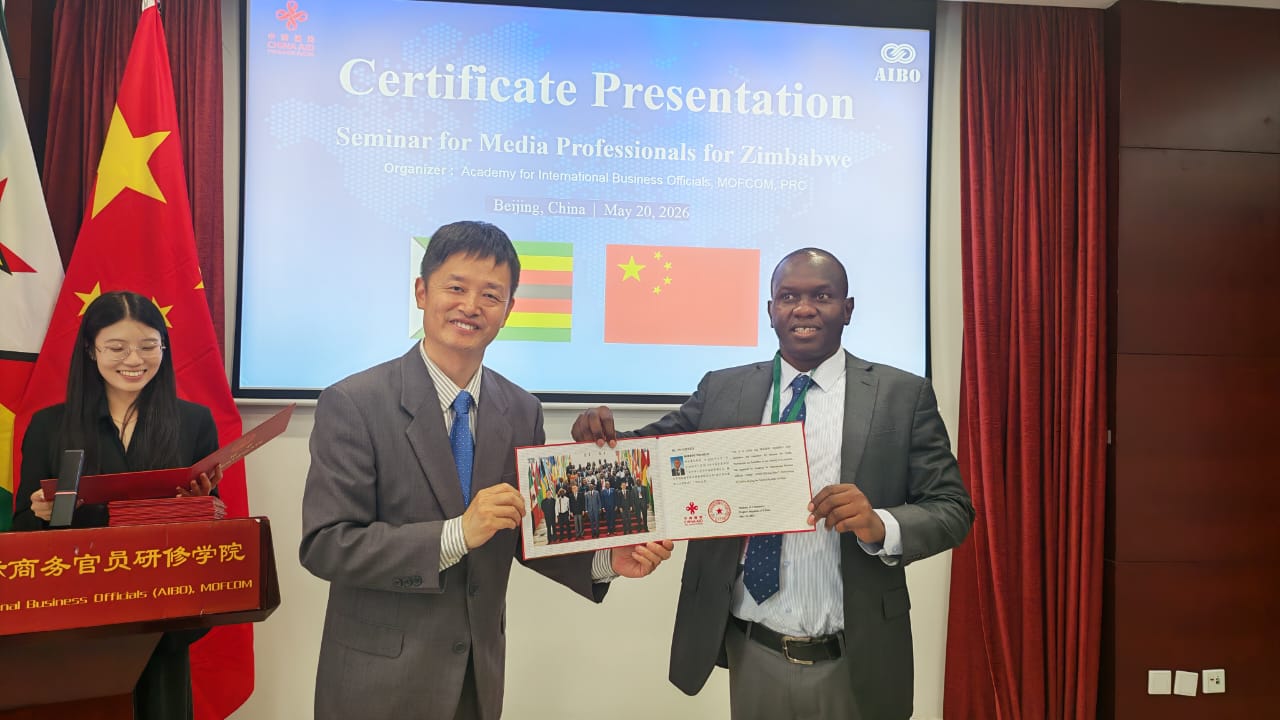
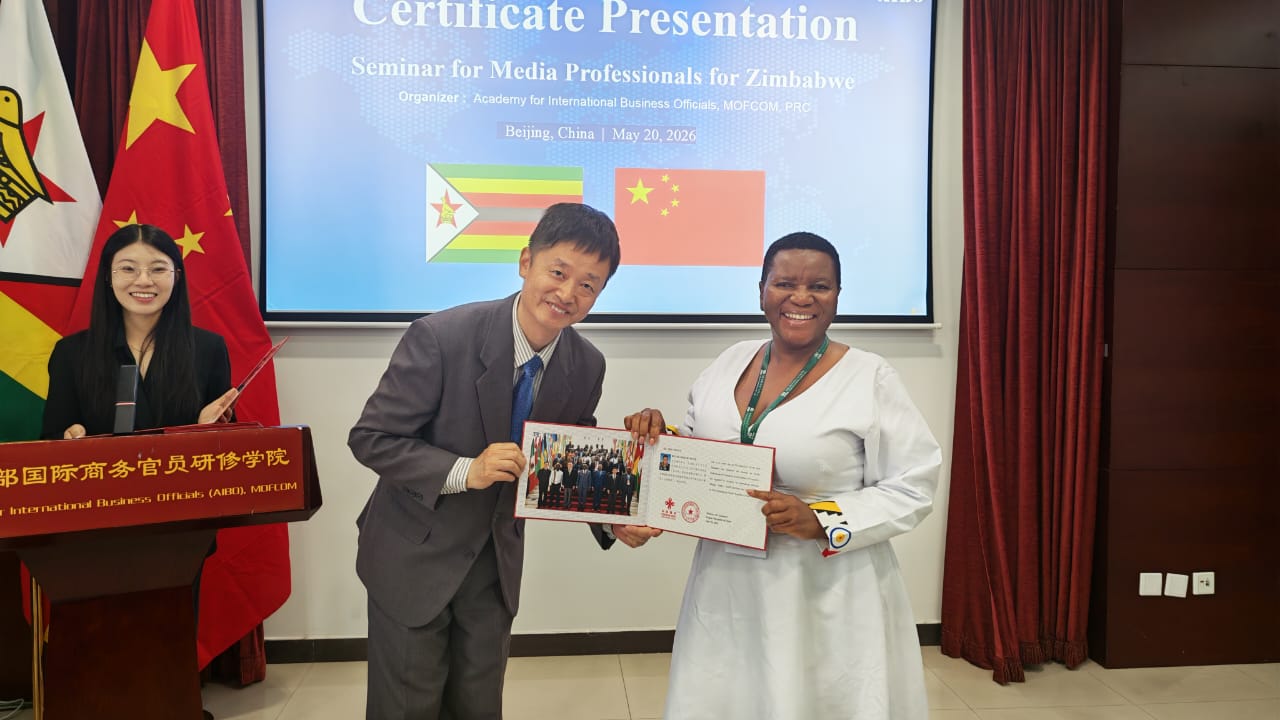
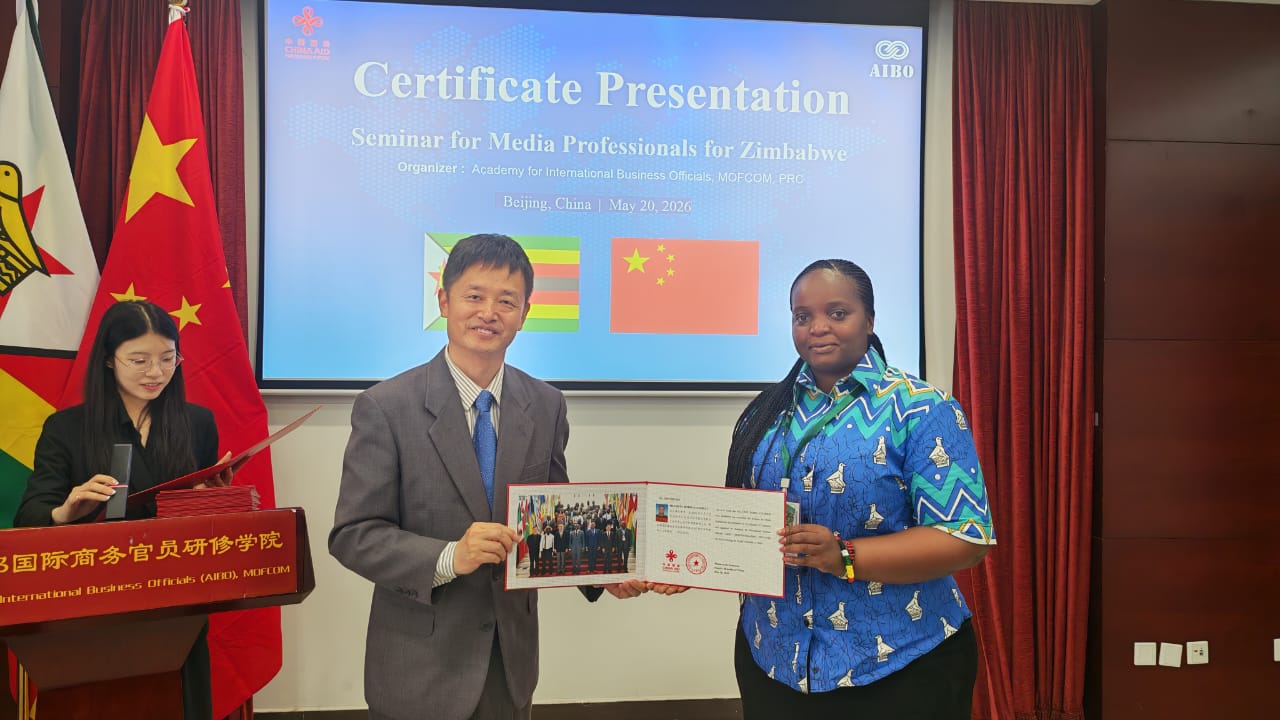
At the end of the seminar, participants received certificates.
Zimpapers health and gender editor, Robin Muchetu, said there was a need for Zimbabwean media houses to replicate how Chinese media organisations have embraced digital platforms to enhance operations and audience engagement.
“It has been an enlightening seminar that gave us an opportunity to understand how the Chinese manage their media houses and what impressed me most is how they are fully embracing digital technology, even preserving some of their historical past, especially on the development of China as a nation,” she said.
Zimpapers day editor (Weeklies) Vincent Gono said the seminar offered valuable lessons on how media can drive development through innovation and strategic communication.
“The seminar provided important lessons on how the media can be used as a vehicle for development. We learnt the Chinese model of putting hands on the deck to get communities out of extreme poverty.
“Zimbabwe can emulate such models where the media works hand in glove with state institutions to drive that transition,” said Gono.
Day Editor (Weeklies) Roselyne Sachiti said the visit gave her deeper insight into China’s economic, social and cultural transformation.
“I now have a better understanding of China’s development journey from an economic, social and cultural development perspective,” she said.
Operations Editor Ruth Butaumocho said the programme exposed participants to how China has integrated artificial intelligence into everyday life and governance systems.
“Our two-week stay in China afforded me an opportunity to appreciate China’s history, culture and technological advancement across various sectors,” she said.
Butaumocho said Chinese media houses were already leveraging advanced AI systems in news production and audience engagement.
Day Editor (Dailies) Herbert Zharare described the trip as an eye-opener, particularly on China’s adoption of a digital-first media strategy.
“The media in China already adopted a digital-first strategy, moving in line with Zimpapers, which launched it last year,” he said.
Zharare said the delegation toured China Global Television Network, where they observed sophisticated digital analytics systems and massive online traffic figures. He said the online figures recorded at the broadcaster were staggering.
“We need to package our stories through animations and virtual reality. We need to package tourism facilities and documentaries on key national issues that we should monetise. China has the technology leveraging on AI, those are the areas we now need to have a footprint on.”