admin
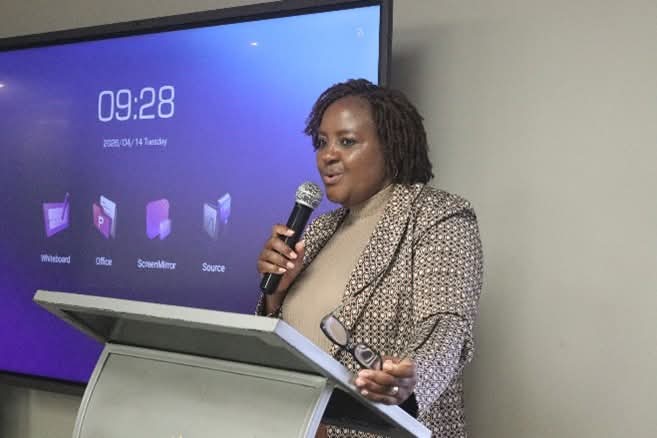
adminwho excelled in a Shona poetry writing competition co-ordinated by the vernacular newspaper, Ministry of Education, Sport, Arts and Culture officer for Mbare and Hatfield District, Mrs Spiwe Jiri, said indigenous languages such as Shona and Ndebele should be made compulsory in all schools.
“Shona (and Ndebele) is taught as an inferior language when compared with other subjects like English despite the fact that it is the bedrock on which our culture is founded.
“It is a subject that should not be dropped. Local languages should be compulsory and I would appreciate it if the indigenous languages were made a priority for job seekers because we have to be proud of our language wherever we go,” she said.
Mr John Danga, who is an analyst for Shona Grade 7 writers, said many pupils were failing Shona at Grade 7, O and A-Level because of shunning local languages.
“Last year we noticed that there was a poor pass rate in Shona subject in Mbare and Hatfield districts and many other areas. Most of the students failed to score the first grade.
“We met the Zimbabwe Schools Examination Council officials who also complained of how students wrote purely broken Shona therefore we encourage pupils to read Shona and to take the language seriously,” he said.
In a bid to promote the Shona language, Kwayedza has embarked on a number of programmes that include essay and poetry competitions.
Last Friday, about 24 pupils who did well in the poetry writing competition walked away with various prizes that included satchels and stationery.


 Online Reporter