Chronicle Editor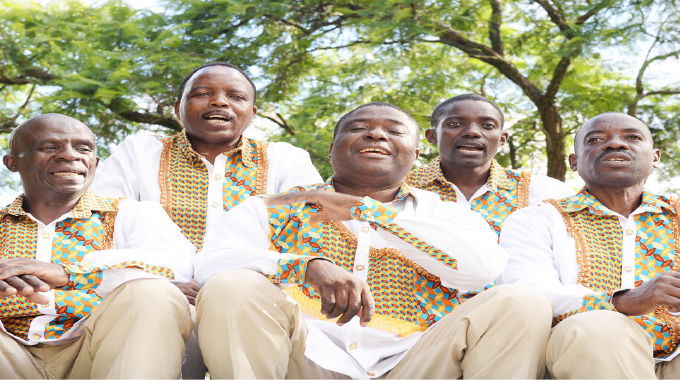
Nqobile Tshili, [email protected]
LUCKY MOYO, a former member of the Black Umfolosi Imbube ensemble, has found his calling in the United Kingdom, where he is using music to treat psychiatric patients and prisoners. He is part of the medicinal social prescription, an approach that connects people to activities, groups and services that meet their health and well-being needs.
Moyo, who comes from Ngwana in Bulilima District, in Matabeleland South, is in the country for holiday. He says he has shifted from stage performances to music for healing and corrective purposes. He says he draws inspiration from the African tradition, where music was used as a social order communication tool.
“I have always been interested not just in stage performance but the social function of music. For instance, music was used as a social order communication tool. Unlike the Western world where prisoners were sent to jail, in our tradition songs were sung in the community against those who violated social orders. This led to individuals to self-correct, especially when they got to understand that particular songs were composed because of their behaviours,” he says.
Moyo says he has seen the calming effects of music on psychiatric patients and prisoners, whom he plays music for at least two hours. He says music helps them to escape their troubles and find joy.
He says music also has benefits for team building and he has done consultancy work for some companies using music as part of their initiatives. He also performs at people’s homes as part of his musical social prescription.
“I now use music in psychiatric units where I go and play music in psychiatric hospitals for at least two hours. You will discover that the music would have a serious impact even in jails when you take the music to prisons, they use it for escapism purposes. Haven’t you seen how people tend to forget about their troubles when listening to music? It has medicinal social prescription and even some companies use it for team building,” said Moyo.
Moyo says the social prescription is a way of sharing African cultures with the whites and bridging race relations.
“Those roundtable social gatherings that people used to have in the evening in homes were not just mere entertainment. I think scientifically neuron scientists would tell you that lots of laughter and lots of happiness is really good for you and that is what we do with our mbiras and drums.”
According to Moyo, music is helping to improve racial relations by teaching white people about African cultures through performances.
Music and praise poetry were essential tools for maintaining social order and harmony among the Ndebele people, according to Dr Peter Zwide kaLanga Khumalo, a descendant of King Lobengula and a researcher of Ndebele lifestyles. He said that Moyo was carrying on the tradition of using music for positive social change.
“Through music and praise poetry, leaders could control crime among other misdemeanour’s in society. But also through praise poetry, leaders were discouraged against being heavily handed. That is where we derived a statement: ‘Nxa ungabulala abantu bakho bonke uzasala ubusani Nkosi’ (If you kill all your subjects, who are you going to rule over my King?). So music and praise poetry played both roles to encourage discipline within the community and also amicably informing the king that he had killed some of the subjects who would have committed heinous crimes,” said Dr Khumalo.
He added that witchcraft was one of the most serious offences that could not be tolerated among the Ndebele people.
He also said music and praise poetry acted as a source of guidance and instruction for the society.
“In the past, there were no written set of rules and hardly any meetings were held on how the society should conduct itself. But music and praise poetry were used quite extensively to communicate with the public about issues that they should be aware of including that they should indulge in criminal activities and they must follow the rules and values of the community,” said Dr Khumalo. — @nqotshili



 Online Reporter