Online Reporter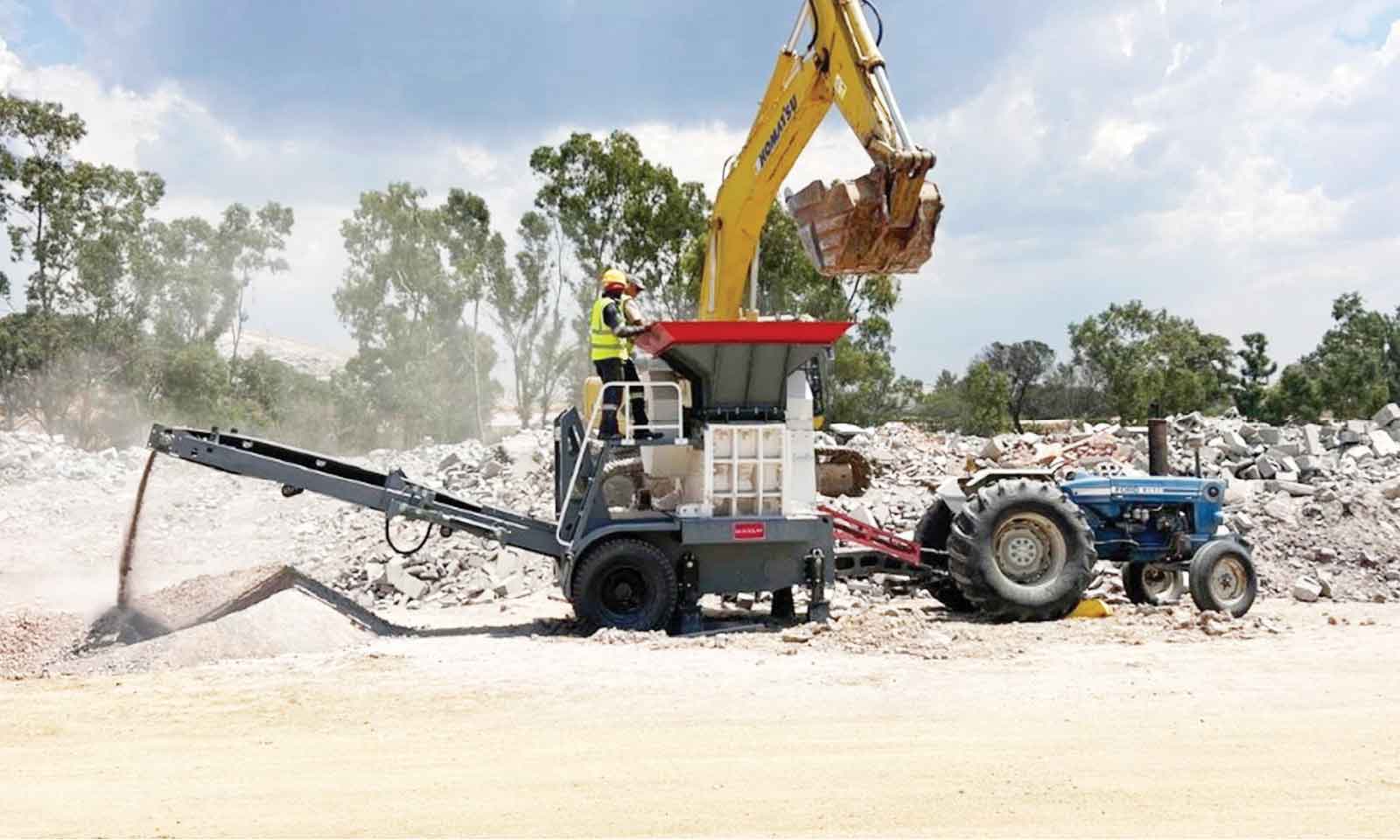
Mangaliso Ndlovu
FIRST and foremost, it is important to clarify and acknowledge the central role of foreign direct investment (FDI), which has been a hallmark of the Second Republic since President Mnangagwa declared that Zimbabwe is open for business.
We have witnessed phenomenal growth in FDI from investors of multiple nationalities.
When the President speaks of engagement and re-engagement, and of Zimbabwe being a friend to all and enemy to none, this is reflected in the growing confidence that investors have in the country.
It is therefore not surprising that many sectors of the economy are performing well, largely driven by this pro-investment policy.
At the same time, Government remains guided by the President’s vision of leaving no one and no place behind, particularly as the economy grows.
One of the most effective ways to achieve this is through targeted interventions that empower Zimbabweans to participate meaningfully in economic activity.
The Reserved Sectors Programme is one such economic empowerment tool, and it is not unique to Zimbabwe.
A number of African countries have implemented similar measures, and in 2025 several promulgated legislation in this area; in some cases, in far more drastic and disruptive ways.
In Zimbabwe’s case, under the guidance of His Excellency the President, we have adopted a smooth, investor-friendly approach.
This approach focuses on identifying sectors with relatively low barriers to entry, where local participation can realistically be expanded.
This is informed by our unique circumstances, including limited access to long-term, affordable capital due to sanctions.
If we are not careful, we risk opening a Pandora’s box where sectors with low entry costs are flooded by players accessing cheap or interest-free long-term capital, thereby squeezing out local Zimbabweans.
Government is therefore clear: we welcome foreign direct investment, but we also recognise that certain sectors should, to a large extent, play a supporting role to large-scale investments.
For example, quarrying and stone crushing can be presented as major investments, yet these are areas where local players can support the booming construction sector, which itself remains open to big business.
The same applies in the construction value chain, including building materials.
Activities such as brick moulding, which require relatively modest investment, should provide opportunities for Zimbabweans to participate meaningfully, rather than being dominated by those with disproportionate access to capital.
Ultimately, this policy reflects Government’s commitment to walking the talk on empowerment — ensuring that Zimbabweans are part of the country’s success story, and that growth in major sectors is supported by vibrant sub-sectors that are owned and run by locals.
The reserved sectors law is not new.
What had been lacking over the years, however, was a clear framework setting the thresholds that determine who qualifies for an exemption to operate within a reserved sector.
These thresholds have now been clearly articulated through Statutory Instrument 215 of 2025.
What Government has now set in motion, and will be implementing over the next three months, is a structured process outlining exactly what applicants are required to submit and the documentation needed.
At a minimum, applicants will be required to provide their memorandum and articles of association, proof that they are a bona fide business banking in Zimbabwe, and, most importantly, a valid Zimbabwe Investment and Development Agency (ZIDA) certificate.
This requirement is also intended to address the reality that some entities are currently operating illegally, and such operators will find it difficult to continue with their business activities under the new framework.
A three-month window, from January to March, has been provided for compliance.
By the end of March, all applicants should have received a response.
Those that qualify will be issued either a compliance certificate or an exemption, depending on their circumstances.
Entities found to be operating illegally and therefore barred from continuing in the reserved sectors will also be formally notified.
Government is confident that this will be a smooth and orderly process.
An awareness programme will be rolled out from January, with particular focus on foreign investors.
All foreigners in Zimbabwe are regarded as friends, provided they operate within the law, and Government is committed to ensuring they have accurate information and proper guidance to address any concerns or criticism.
In addition, Government is considering the establishment of a dedicated hotline to allow investors to make enquiries, ensuring that assistance and clarification are readily available throughout the process.
Mangaliso Ndlovu is the Minister of Industry and Commerce. He was speaking to Zimpapers Politics Hub’s Joseph Madzimure.