admin
admin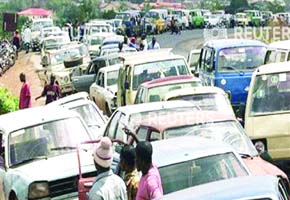
The government has pledged to carefully vet fuel subsidy payments after investigations revealed massive corruption in the programme. It accused petrol importers under investigation of being behind a strike in the capital Abuja last week.
The latest union to threaten a strike is the National Union of Petroleum and Natural Gas Workers (NUPENG), which includes tanker drivers who transport fuel across Africa’s most populous country and top oil producer.
It claims some 15 000 of its members have not been paid by petrol sellers and has called for a nationwide strike to begin tomorrow Government officials and the union were to hold talks later yesterday.
“The outcome of today’s meeting at the federal ministry of labour in Abuja will determine if the strike will still go ahead,” NUPENG President Igwe Achese told AFP.
NUPENG claims government is to blame for the salary backlog because the authorities have not made fuel subsidy payments to petrol sellers, who have then claimed they cannot pay tanker drivers because of cash shortages.
To make fuel affordable, Nigeria has frozen the price of a litre at 97 naira ($0,60), lower than market rate, and fuel sellers expect subsidy payments from the government to make up the difference.
However, the subsidy programme has been found to be rife with corruption, including false claims and overpayments.
In April, a parliamentary probe said Nigeria lost $6,8 billion between 2009 and 2011 through the subsidy programme.
“It is clear that those behind the strikes are marketers being investigated for possible fraud,” the finance ministry said in a statement amid last week’s strike in Abuja, which briefly led to fuel shortages.
In January the government tried to end fuel subsidies, causing petrol prices to more than double, but was forced to partially reinstate them after tens of thousands of people took to the streets in violent protests that left more than a dozen dead.
Nigeria is Africa’s largest oil producer, but despite its huge reserves, it imports much of its fuel due to a lack of refining capability, a situation blamed on corruption and mismanagement. — Reuters.


 derick.khumalo