Online Reporter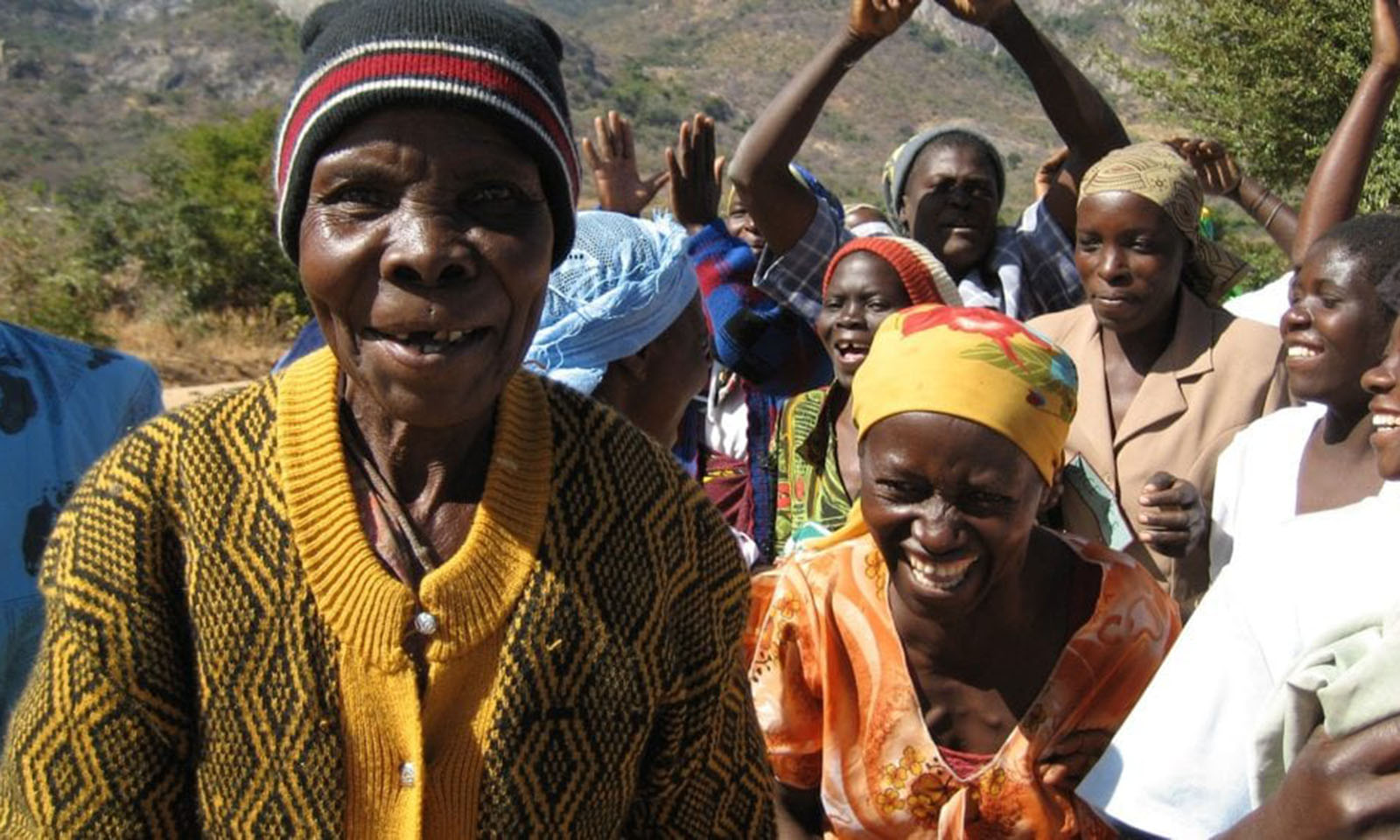
The Herald, 16 June 1982
AFRICA’S high birth rate will result in the continent facing the problems of caring for a large aged population within the next 50 years, a United Nations expert has warned.
Interviewed during a four-day visit to Zimbabwe, the special adviser to the Secretary-General of United Nations World Assembly on Aging, Dr Eyvind Hytte (53) said that by the year 2025 developing African countries would have 1,8 million people over the age of 60 years. There are relatively few aged people in developing Africa at present.
In Zimbabwe 50 percent of the population is under 15 years of age, but year 2025 is only 43 years away and then it will be a different story,” Dr Hytten Said.
Forward planning was essential, he stressed.
“It’s no good shunting the problem into the background with the idea of crossing that bridge when we come to it.
“The problems are already there with the high fertility rates, modern medicine reducing child mortality and better living conditions encouraging longevity.”
Employment opportunities had to be found for today’s young people to ensure that they had pensions, savings and homes when they reached retirement age.
Life expectancy had increased from 49 between 1965 to 1970 to 55½ years now. Shortly it would reach 63 years. The figures formed part of a reliable forecast by the United Nations Population Division. According to United Nations demographers the segment of the population 60 years and older will increase by a factor of five between 1975 and 2025, shifting from 20 million to 102 million people.
Lessons for today.
- The prediction made in 1982 about the growing number of elderly people and the need for forward planning has proven to be accurate. The country continues to work on improving the quality of life for its aging citizens through various initiatives and support systems.
- There are several elderly homes and care facilities across Zimbabwe that cater to the needs of older adults. These facilities offer a range of services from independent living to specialised nursing care.
- The prediction made by United Nations demographers about the increase in the population aged 60 years and older has proven to be accurate. The global population of people aged 60 and over has indeed grown significantly over the past few decades.
- According to the World Health Organisation (WHO), the proportion of the world’s population over 60-years-old will nearly double between 2015 and 2050, increasing from 12 percent to 22 percent
- This demographic shift is a result of various factors, including improved healthcare, reduced child mortality and better living conditions, which have contributed to increased life expectancy.
- The Government, in partnership with the private sector, has conducted medical outreach programs to provide free healthcare services to elderly citizens in remote areas. For example, a recent initiative provided comprehensive medical assistance to over 900 senior citizens in Buhera and Makoni districts.
- This trend is expected to continue, with the number of older adults projected to keep rising. The prediction about the significant increase in the elderly population has been validated by current demographic data.



 leeroy