admin
admin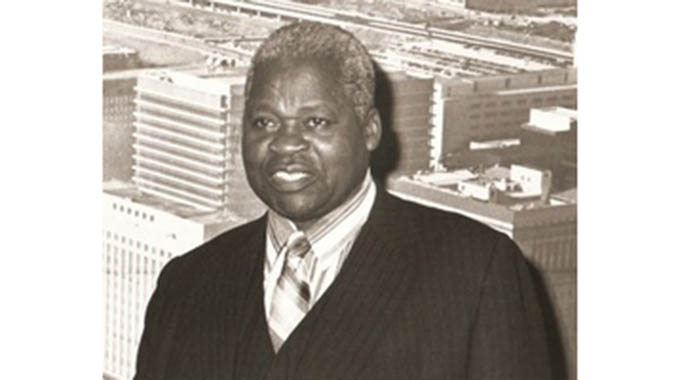
The Rhodesia Herald,
21 May 1954
WITH his appointment this week as full-time organising secretary of the African Society for the Physically Defective, a dream of 10 years has come true for Jairos Jiri the African grocer’s boy who founded the society a month ago.
Jiri was fired with this ideal after a talk with a group of American airmen passing through Bulawayo, while he was working as a cook boy for the Rhodesia Air Force.
The Americans told him of the efforts at self-rehabilitation made by American black people crippled in the First World War.
Why, they asked Jiri, couldn’t the African cripples help themselves in the same way? All they needed was one of their own kind to show them how.
Jiri never forgot. His job with the RAF over, he joined a grocery store, and all the while he was busy making up orders and seeing to their dispatch, he thought of ways and means of helping Bulawayo’s African cripples to help themselves.
It took him nearly eight years to hit on a workable idea, and then he decided to establish a workshop where African cripples could mend and make shoes and produce useful leather goods.
His employer lend him 19 pounds 19 shillings and 9 pence, to buy essential equipment and the African Affairs Department gave him a hall in the location free of rent.
That was the beginning of the African Society for the Physically Defective. Started with only two crippled boys and one teacher, the society is now helping blind and crippled Africans to rehabilitate themselves through the work it gives them.
LESSONS FOR TODAY
A larger than life personality, Jairos Jiri together with his Jairos Jiri Association is the pioneer of community-based rehabilitation among black people with disabilities.
Jairos Jiri’s pioneering work has resulted in the empowerment of people with disabilities. Although a lot more needs to be done to achieve total empowerment, including inclusion in various spaces in society, it is important to acknowledge that considerable ground has so far been covered.
Public and private sector partnerships and more funding are required to ensure that people with disabilities live their lives to the full.
They are entitled to social amenities like access to education and health care facilities, enjoyed by able-bodied people. They are entitled to dream big and occupy any top policy decision-making positions available in the public and private sectors.


 Online Reporter