

 admin
admin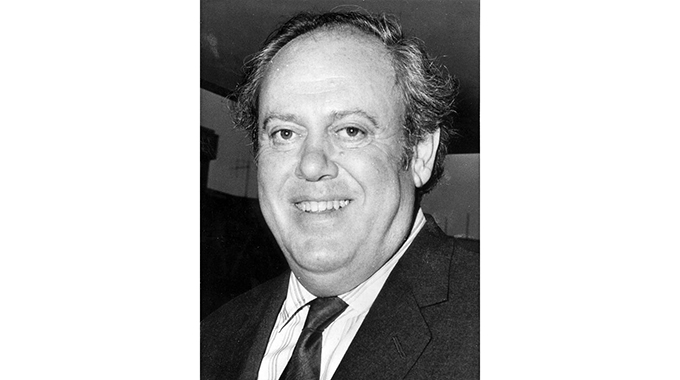
The Herald, November 8, 1979
LORD Soames, 58-year-old leader of the House of Lords and Sir Winston Churchill’s son-in-law and former aide, has now emerged as the man most likely to land in the hot seat as British Governor of Zimbabwe-Rhodesia.
Whitehall sources have indicated that it was likely a political appointment would be made, which points strongly to Lord Soames’ direction.
The former Coldstream guardsman was once regarded as a possible future leader of the Conservative Party, and has risen to new heights in Mrs Thatcher’s government. He was created a life peer in 1978.
Formerly Sir Christopher Soames, he was British Ambassador in Paris and vice president of the EEC commission. He is at present Lord President of the Council, and Minister in charge of the day-to-day workings of the Civil Service Department.
As such, he has been responsible for engineering the Government’s massive cuts in civil service expenditure.
He became an MP in 1950 and served as Agriculture Minister. A heart attack last year decided him against standing again for the Commons.
The Eton and Sandhurst educated Lord Soames was a captain in the Coldstream Guards when he met and courted Sir Winston Churchill’s daughter Mary in 1947. Soon afterwards he became Sir Winston’s aide and a pillar of strength during the then Prime Minister’s bouts of illness. Some politicians said the country was virtually run by Lord Soames.
He is a fervent supporter of the EEC and serves on the boards of National Westminster Bank and Rothschilds. A spokesman for Lord Soames said the Lords leader declined an interview at this stage.
It would be “most wrong” of him to give credence or otherwise to Press reports that he would be made Governor of Zimbabwe-Rhodesia, said the spokesman.
Although Lord Soames appears to have no first-hand knowledge of Zimbabwe-Rhodesia, he was a Conservative spokesman on foreign affairs in the House of Lords during the last Labour reign.
LESSONS FOR TODAY
The appointment of Lord Soames as Governor of Southern Rhodesia meant that the country was reverting to pre-UDI times, where he would be answerable to Queen Elizabeth II, as head of state and government.
He was a political appointee with vast experience and knowledge in diplomacy.
Lord Soames’ confirmation of appointment as Governor of Southern Rhodesia was made on December 7, 1979 — a fortnight before the Lancaster House agreement was signed.
As Governor, Lord Soames was given executive powers to steer the country through a delicate ceasefire to new elections and independence.
His task was to end when he handed over power to the newly elected government, and the country became independent, a mammoth task he achieved when Zimbabwe attained its Independence on April 18, 1980.


 Bongani Ndlovu
 Online Reporter