Online Reporter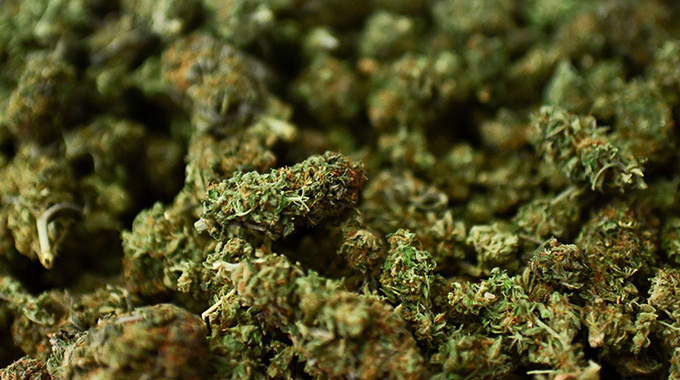
The Herald 20 October 1993
MBANJE worth more than $2 million went up in smoke in Harare yesterday at the Parirenyatwa Hospital incinerator when the ZRP Drugs and Narcotics Squad torched over 400 kg of the drug seized from traffickers since last year.
The drugs weighed a total 463 230 kg with a street value of $2 116 150. According to the officer commanding CID Drugs and Narcotics Squad, Superintendent Moffat Gumende, it was seized from 398 suspects mainly from around the Greater Harare area although sources of origin were Eastern Highlands, Malawi and Mozambique.
Among the consignment were 14 compressed blocks of mbanje bound in polythene plastic, each weighing an average 10 kg, which narcotic detectives seized at the Harare International Airport from suspects who claimed the drugs were being shipped from Nigeria to South Africa.
Another consignment was an eight-bag lot seized in the Chidodo area of Muzarabani. Each bag weighed an average20 to 23kg. Twelve more bags of mbanje weighing a total of about 200 kg, seized from the Eastern Highlands, were among the bonfire.
The detectives also threw into the incinerator a suitcaseful of pain killing and antibiotic drugs which they seized from a woman who was selling them in the streets of Harare. These included Asafen, pynstop, Amoxycillin, Franol, Migril, Colcaps, Amisol and Penicillin.
Supt Gumende said that although Zimbabwe was still predominantly a conduit for drugs on transit to South Africa, Botswana and Europe and the Americas, it was increasingly becoming a consuming market itself.
Lessons for today:
- The 1993 report about the destruction of mbanje (cannabis) and other drugs in Harare offers several important lessons and reflections that are still relevant today. The 1993 incineration shows the importance of strong law enforcement in curbing drug trafficking. It also highlights the need for transparency and accountability in handling seized substances.
- The shift from being a transit country to a consumer market reflects deeper social and economic pressures. Addressing drug abuse requires more than arrests, it needs education, rehabilitation, and community support.
- Drugs were coming from places like Nigeria, Malawi, and Mozambique, showing the cross-border nature of trafficking. Effective control requires collaboration between countries and regional bodies.
- The seizure of unregulated pharmaceutical drugs being sold on the streets shows the danger of self-medication and unlicensed drug sales. Public health education and access to proper medical care are essential.
- What was considered purely criminal in 1993 (e.g., cannabis) is now seen in some contexts as an economic opportunity. Legal frameworks must adapt to scientific evidence, economic potential, and public health needs.