The Herald, 10 November 1999
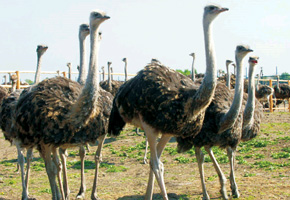
ZIMBABWE’S ostrich population has gone up by about 10 000 birds to 50 000 during the current season because of the strong external demand.
Farmers have increased their ostrich population and their presence on the export market owing to the buoyant demand for the bird’s meat and skin on the international market.
The devaluation of the Zimbabwe dollar against the greenback has also made the ostrich sector more lucrative,
A leading commercial bank, Zimbabwe Financial Holdings Limited, said the upswing in export demand pushed ostrich prices from an average of $4 500 in 1998 to about $8 500 per bird this year.
It is estimated that the country’s ostrich population has grown from 40 000 in the 1998/99 season to 50 000 birds during the cur-rent season.
About 95 percent of the ostriches are targeted at the export market, bringing millions of dollars in foreign currency which has helped to stabilise the local currency.
“In the short to medium term, prospects for growth in the ostrich farming sector are expected to remain bright, particularly if producers manage to contain high input costs, such as labour, transport, fuel and feeds.
“Further depreciation of the Zimbabwe dollar is expected to enhance the export revenue earned by ostrich producers,” said Finhold.
Lessons for today:
- The ostrich population increased from 40 000 to 50 000 birds because international demand for ostrich meat and skins was strong. When demand for a product rises, producers usually increase production to take advantage of better market opportunities.
- The average price of an ostrich reportedly rose from $4,500 in 1998 to about $8,500 in 1999. Higher prices made ostrich farming more attractive and profitable.
- Ostrich farming in Zimbabwe is much smaller today than it was in the 1990s and early 2000s. At its peak, Zimbabwe was a major exporter of ostrich meat, skins, and feathers.
- However, the industry declined sharply after 2000 due to factors such as land reform, loss of export infrastructure, disease-related trade restrictions, and economic challenges.