

 Online Reporter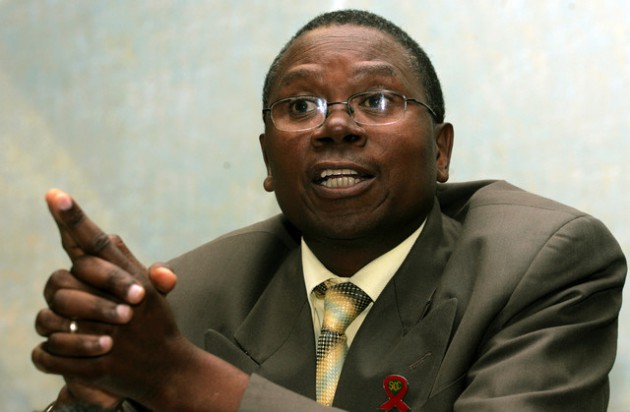
The Herald, 2 June 1984
THE Government intends to develop a film industry whose products will accurately and objectively reflect the country’s socio-economic environment and cultural values, the Minister of Youth, Sport and Culture, Dr Simba Makoni, said yesterday.
Opening the first Kine international foreign film festival at the Kine 2 in Harare, he said the industry would have to sensitise people about the nation’s aspirations. He said film selectors, and procurers, censors and critics had to ensure that films that were screened in Zimbabwe satisfied the people’s sentiments, that they conformed to the nation’s moral values and were supportive of the Government’s development aims.
All those involved in the film industry had to work out a national programme for the development of the industry. “Cultural co-operation agreements which we have signed with many friendly countries must now be put into operation to render valuable support to our national efforts.”
Cde Makoni said films could be used positively to reinforce and consolidate national development efforts through images depicting accomplishments by others persuing the same or related developmental paths.
Cde Makoni said it was unfortunate that Zimbabwe was a captive market for films of Western, particularly British and North American origin. The attainment of independence and the Government’s non alignment policy had to provide Zimbabwe with other sources of films.
Cde Makoni said he hoped international film-makers would take advantage of Zimbabwe’s countryside which offered some of the best sites for shooting films. The country’s production and processing facilities were also capable of producing high quality films.
Lessons for today
- Back in 1984, the government wanted a strong national film industry. Films promoting culture, values, and development, less dependence on Western films and growth through international cooperation.
- Today’s reality the industry did grow, but slowly and unevenly. It has faced serious setbacks like lack of funding, economic crises, and weak infrastructure However, it has survived and is now rebuilding, especially with new strategies and digital platforms
- Zimbabwean films have gained international recognition for example ‘Cook Off’ became Zimbabwe’s first film on Netflix, films like Neria, Flame, and Jit became regional and international successes. New films like Rise are winning international awards. Zimbabwe has achieved global visibility, even if not at large scale.
- A new wave of young filmmakers is emerging. Young creatives are telling local stories creatively and boldly. Film festivals and training programs (like ZIFFT) are developing talent, this matches the 1984 vision of using film to reflect society and inspire people.
- The Government is still committed to renewed effort; it has launched a Film Strategy (2025–2030) to rebuild the industry. This shows the 1984 vision has not died, it is being revived and one of the biggest successes.
- Zimbabwe now has international actors, including, Danai Gurira, Star in Black Panther and The Walking Dead, Tongayi Chirisa appeared in Hollywood films and TV series, Chipo Chung, International theatre and film actress and Sibongile Mlambo featured in Netflix and Hollywood productions.



 Bongani Ndlovu