Online Reporter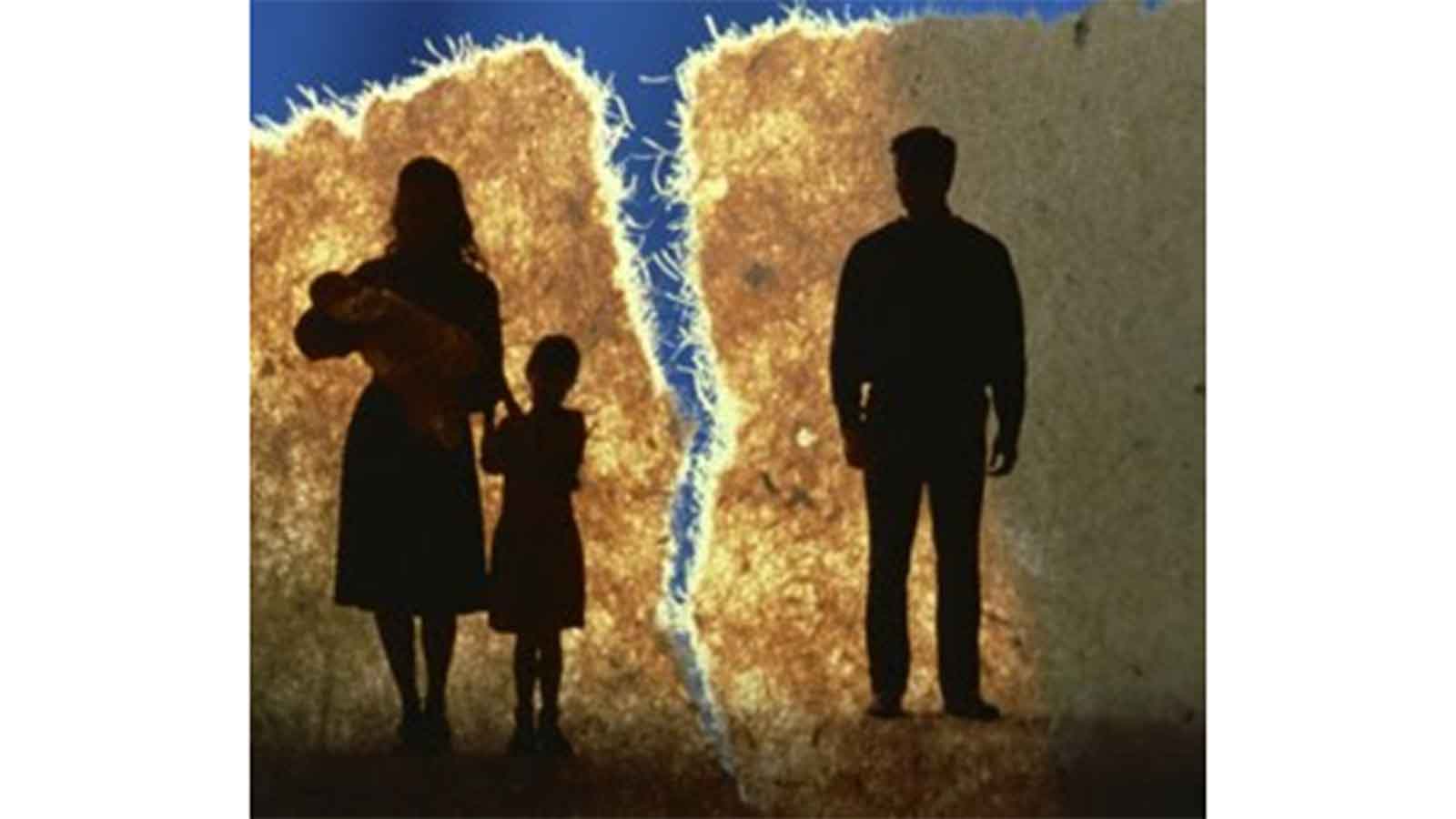
Laina Makuzha-LOVE by DESIGN
Last week, I wrote about preparing the boy child for marriage just as society trains the girl child.
That conversation sparked many responses from readers who agreed that balance in nurturing both sons and daughters is vital for strong families.
This week, I turn to a more sobering subject: the growing “no contact” trend, where some children choose to cut ties with their parents or relatives.
It is a phenomenon that has shaken families across cultures,straining relationships the likes of Britney Spears and her father; Elon Musk and son, born Xavier Musk, now Vivian Jenna Wilson or David and Victoria Beckham and their son Brooklyn. All these family fall outs have played out in the public eye. In fact, Zimbabwean-born UFC fighter Themba Gorimbo recently told CNN he had cut off communication with his family, citing relentless pressure and conflict that threatened his peace of mind.
His story mirrors countless others worldwide, where children feel estrangement is the only path to survival.
February is often painted in shades of red, with couples exchanging gifts and promises. Yet love is not only romantic — it is the glue that holds families together. As society prepares to celebrate affection between partners, perhaps we should also pause to ask: how are we nurturing love within our homes?
For some, Valentine’s Day will be marked by flowers and dinners and pleasant surprises; for others, it will be overshadowed by silence, estrangement, or the painful reality of no contact. However, true love, as scripture reminds us, is patient and kind — it seeks reconciliation, not division.
Understanding the “No contact” trend
The term “no contact” refers to adult children deliberately severing ties with their parents or relatives. According to experts, this trend has gained traction in recent years, amplified by social media and popular culture. Oprah Winfrey’s podcast recently featured psychologists discussing how one-third of Americans report estrangement from family members, a figure that shocked many.
Authors such as Dr Josh Coleman “Rules of Estrangement” and Jessica Berger Gross “Estranged: Leaving Family and Finding Home” have written extensively about the pain and complexity of family estrangement.
Their works remind us that cutting ties is an act that has many layers to it,and when closely examined, has turned out to be rarely about ‘hatred’ but often about self-preservation against underlying pain or trauma.
Causes and underlying issues
Experts highlight several root causes that families can examine and navigate:
“Toxic” family dynamics — Unresolved trauma, controlling parenting, over burdening and impositions, or emotional neglect, all often push some family members away.
Generational differences — Younger generations prioritise mental health and boundaries, while older ones emphasise loyalty and duty.
Cultural shifts — As society normalises individualism, some children feel empowered to walk away from family relationships they deem harmful. Unrealistic expectations — Families sometimes burden adult children with financial, cultural, or emotional obligations that become overwhelming.
Family therapist Michele Weiner — Davis warns: “Emotional cutoffs create pain that ripples throughout families and even across generations.” Yet she also emphasises that reconciliation, though difficult, is possible with effort and humility.
What the Bible teaches
The Bible paints a different vision. Ephesians 6:1–4 calls children to honour their parents, while urging fathers not to provoke their children to anger. 1 Corinthians 13 reminds us that love is patient, kind, and enduring. Families are meant to be places of nurturing, forgiveness, and reconciliation.
From a spiritual perspective, estrangement is not God’s plan.
The enemy seeks to destroy families — whether through divorce, broken marriages, or strained parent-child relationships. Yet Scripture assures us that love and humility can heal even the deepest wounds.
Is restoration possible?
Is society doomed to fractured families? Not necessarily. Experts suggest several pathways forward:
Open dialogue — Honest conversations, often facilitated by mediators or therapists, can rebuild trust.
Boundaries with love — Families must learn to respect individuality while maintaining connection.
Faith and forgiveness — Biblical principles of grace and reconciliation remain powerful tools for healing.
Professional help — Counselling and family therapy provide structured support for mending ties. So churches, counsellors, and community leaders can walk alongside families seeking restoration.
The “no contact” trend is a wake-up call. Families must confront unhealthy patterns, embrace empathy, and rediscover the biblical mandate of love. Parents could listen more, children could honour more(or learn more about honour), and society should value family as the bedrock of communities.
Encouragement
For couples: Valentine’s week is a chance to celebrate your bond, but also to extend love to parents, siblings, and children. Romantic dinners are wonderful, but a phone call to a parent or sibling can be equally powerful.
For the believer: However, you view Valentine’s day, you could reframe it as perhaps a cultural moment, to reflect on God’s love — the greatest love of all — and to practice forgiveness and reconciliation. Be sincere and intentional.
For families in conflict: Valentine’s week could be a symbolic time to reach out, even with a small gesture, to begin healing. A text message, a prayer, or even a handwritten note can be the first step toward restoration.
However, whether you participate in Valentine’s Day celebrations or not, love remains the greatest gift. It is what heals marriages, restores families, and strengthens communities. As we reflect on Gorimbo’s story, Oprah’s podcast, and the voices of authors and experts, let us remember: reconciliation is hard, but it is doable. Families are important to God, and His desire is for unity, not division.
As February reminds us of love, let us extend that love beyond roses and chocolates, into the very heart of our homes,where charity begins.
I invite you, dear reader, to share your views and experiences. Have you witnessed or lived through ‘no contact’? Do you believe families can be restored? Your insights will enrich this ongoing conversation on love, marriage, and family.
Feedback: Whatsapp/SMS: +263719102572/You can also connect with me on Facebook:/Naledi Laina Makuzha.