admin
admin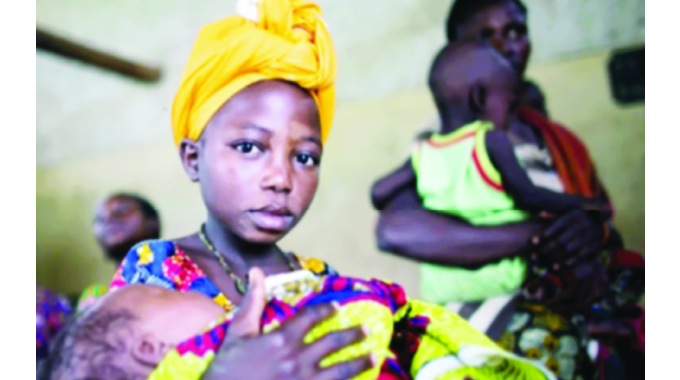
FARZANA NAEEM
HERALD CORRESPONDENT
In Zimbabwe, child marriages remain a deeply entrenched societal issue, affecting thousands of young girls each year.
Often framed as a cultural practice or a means of economic survival, these marriages carry profound implications for the mental health and well-being of the girls involved.
As they navigate the complexities of adulthood at an age when they should still be in school, many face emotional, psychological, and social challenges that can have lasting effects. This article explores the intersection of child marriages and mental health in Zimbabwe, shedding light on the hidden crisis that demands urgent attention.
According to various studies, Zimbabwe has one of the highest rates of child marriages in sub-Saharan Africa. A combination of factors including cultural norms, and inadequate legal frameworks contribute to this alarming trend.
Many families view early marriage as a solution to financial difficulties, believing that marrying off their daughters can alleviate economic burdens. In rural areas, the pressure to conform to traditional practices further complicates the situation, as girls are often seen as assets rather than individuals with rights and aspirations.
The consequences of early marriages extend far beyond the immediate economic relief they might provide. Young brides frequently drop out of school to fulfil their marital duties, cutting short their education and limiting their future opportunities.
The loss of educational prospects is a significant factor that exacerbates mental health issues, as these young girls are deprived of the social networks and support systems that education typically provides.
Child marriages are often accompanied by a myriad of psychological challenges.
Girls who marry young frequently experience feelings of isolation, anxiety, and depression. The abrupt transition from childhood to adulthood can be jarring, as they are thrust into roles that require responsibilities far beyond their years. Many find themselves in environments where they lack agency, leading to feelings of powerlessness and hopelessness.
Research indicates that young brides are at a higher risk of experiencing anxiety and depression due to the pressures of their new roles. They may grapple with the fear of inadequacy, worrying that they cannot fulfil the expectations placed upon them as wives and mothers. The emotional burden of managing a household and caring for children can be overwhelming, especially when they lack the maturity and resources required.
For some girls, early marriages can be traumatic experiences. Those who are coerced into such unions or who experience violence within their marriages may develop post-traumatic stress disorder (PTSD). The symptoms of PTSD can manifest as flashbacks, nightmares, and severe emotional distress, significantly affecting their ability to cope with daily life. This trauma often goes unaddressed, compounding the mental health crisis.
In many cases, young brides lose their sense of identity. The transition from being a student or a child to a wife and mother can be disorienting. They may struggle to reconcile their dreams and aspirations with the reality of their situation, leading to a diminished sense of self-worth.
This identity crisis can result in long-term mental health issues, as girls feel trapped in roles they never chose.
The societal context in Zimbabwe plays a significant role in perpetuating early child marriages and their associated mental health challenges. Cultural norms often dictate that girls should marry early, and those who resist may face ostracism or backlash from their communities.
This pressure can lead to internalised stigma, where young girls believe they are less valuable if they do not conform to societal expectations.
Many young brides find themselves isolated from their peers and support networks. In traditional settings, the focus on marriage often sidelines the importance of education and personal development for girls. As a result, young brides may lack access to mental health resources, counselling, and community support. The absence of these critical support systems exacerbates mental health issues, leaving girls to navigate their struggles alone.
Education is a powerful tool in combating child marriages and improving mental health outcomes. By keeping girls in school, we can provide them with the knowledge and skills necessary to build independent futures. Education also fosters critical thinking and self-awareness, enabling girls to make informed choices about their lives.
Programmes that promote girls’ education can empower them to resist early marriages. When girls see the value of education and the opportunities it can provide, they are more likely to prioritise their studies over marriage. Educated girls are better equipped to advocate for their rights and make decisions that align with their goals and aspirations.
Educational initiatives that raise awareness about the negative impacts of early child marriages can also play a crucial role in changing societal attitudes. By engaging communities in discussions about the rights of girls and the importance of mental health, we can foster a culture that values education and empowers young women.
Addressing the mental health crisis associated with child marriages requires a multifaceted approach that involves community engagement, policy reform, and mental health support.
Community-based programmes that involve parents, local leaders, and educators can create an environment that encourages girls to pursue education and delay marriage.
Establishing counselling services specifically tailored for young brides can provide them with a safe space to discuss their experiences and challenges.
Mental health professionals can offer coping strategies and help them navigate the emotional complexities of their situations. Support groups can also connect young brides with peers who share similar experiences, fostering a sense of community and understanding.
Advocating for policy reforms that raise the legal age for marriage and protect the rights of girls is essential. Strengthening laws against child marriage can help deter families from marrying off their daughters prematurely. Legal protections should be accompanied by community education initiatives to shift cultural norms and attitudes toward early marriages.
Overall, the mental health crisis stemming from early child marriages in Zimbabwe is a pressing issue that requires urgent attention.
Through understanding of the psychological toll of these marriages, we can begin to address the challenges faced by young girls and work toward solutions that promote their well-being. Education, community support, and policy reforms are vital in breaking the cycle of early marriages and empowering young women to pursue their dreams.
Ultimately, the choice between love and survival should not force young girls into paths that compromise their mental health and future. Instead, we must create a society where they can thrive, free from the constraints of early marriage.
Association of Healthcare Funders of Zimbabwe (AHFOZ) article written by Dr Farzana Naeem (PhD), founder and principal clinical psychologist at Gateway Mental Health Rehabilitation. Feedback: WhatsApp on +263 788 080001 or email: [email protected]



 Online Reporter