admin
admin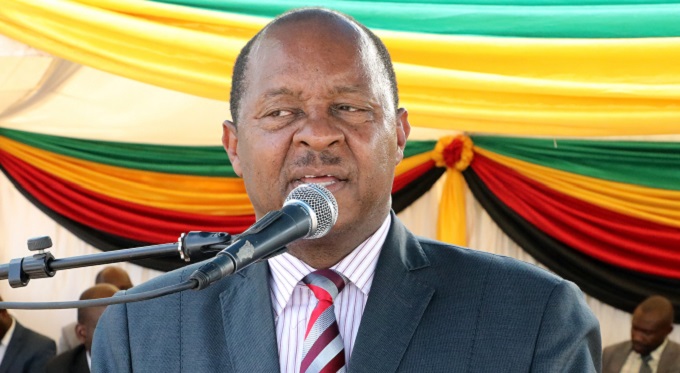
Paidamoyo Chipunza, Harare Bureau
Government’s intention to stop medical aid societies from owning hospitals, pharmacies and laboratories could disadvantage over a million people on medical insurance and other low-to-medium income earners from getting competitively priced medical care.
The Government has been considering introducing a Medical Aid Bill that will among other issues, prevent medical aid societies from providing services.
This will expose people on medical aid to highly priced medical services and in-turn lead to quick exhaustion of one’s benefits before receiving comprehensive care.
A random check by our Harare Bureau has shown that pricing of services in medical aid administered health facilities is cheaper compared to prices in other private health facilities.
For example, some private dentists are charging about $480 as consultation fee while some facilities owned by health insurers are charging as low as $50 for the same service.
Surgical tooth extraction at private facilities cost about $1 200 against $350.
Cost of laboratory services administered by health insurers are also cheaper by almost 50 percent compared to other private facilities.
The case for facilities owned by health insurers has been further strengthened over the past three months that Government doctors have been on strike resulting in public health facilities operating at suboptimal levels, leading to a lot of pressure on private and mission hospitals.
The situation has been exacerbated by the strike action by Harare City Council nurses that has resulted in only six out of 37 clinics operating. The facilities have averted a potential health disaster as they have catered for their members who would otherwise have also been queuing for services with other people who are not on medical aid.
Association of Healthcare Funders of Zimbabwe (AHFoZ) chief executive officer Ms Shylet Sanyanga said these medical aid administered facilities were not a conflict of interest but complementing Government’s efforts in providing the much needed care.
She said in line with good corporate governance practices, these facilities are run by separate business units, properly constituted and running separately from the medical aid society.
“The healthcare facilities are complementing the Government by providing services and saving lives of the people of this country who would otherwise have no alternative to turn to, given the prevailing pricing mismatches and shortfalls. The ordinary person will have less options to turn to,” said Ms Sanyanga.
Adding that as a result of the doctors and nurses strike, these medical facilities have been overwhelmed by patients desperately seeking healthcare services.
Parliamentary Portfolio Committee on Health and Child Care chairwoman Dr Ruth Labode said the current state of affairs provides an opportunity for policy makers to reflect on the impact of some of their decisions.
She said while Parliament was still ‘eagerly waiting’ to see and debate on the proposed Bill, should it include a provision banning medical aid societies from offering health services, the provision is likely to be resisted considering that most low to medium income earners were benefiting from the same arrangement.
“That provision might not pass in Parliament because as we speak most civil servants are actually relying on this arrangement. Public hospitals are closed and private facilities are much more expensive.
“Patients have little option and these facilities have played a greater role in making health services accessible at affordable prices particularly for civil servants,” she said.
Although no official comment could be obtained from Government on the status of the proposed Bill at the time of going to press, the Ministry of Health and Child Care has on several occasions warned medical aid societies to ‘put their house in order’ arguing that there was ‘a huge conflict of interest’.
“Medical insurers should concentrate on funding and service providers should concentrate on service provision. I hope this message gives enough warning and ample time for us to start preparing for the new dispensation,” Health and Child Care Minister, Dr Obadiah Moyo was quoted saying last month during AHFoZ’s annual conference.



 Online Reporter