admin
admin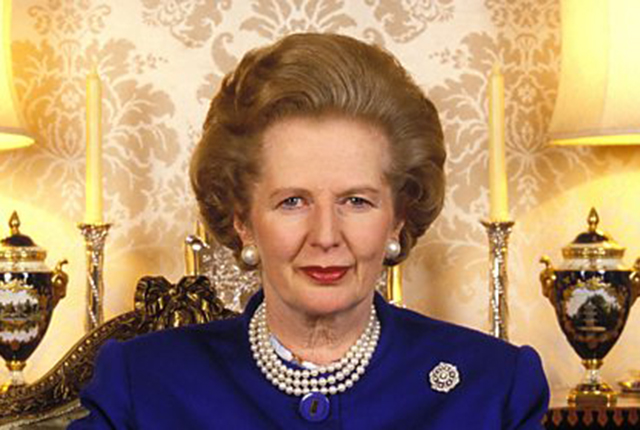
The Herald August 3, 1979
LUSAKA. – Today’s Commonwealth Conference debate on Zimbabwe Rhodesia last night showed all signs of becoming an anti-climax.
Conference sources said the three-day conference originally scheduled for the debate had been cut to a morning session today and another morning session on Monday.
No major development was likely to come out of the debate, the sources said.
Two reasons for this have been advanced by diplomatic sources. The first is that the British Prime Minister Mrs Thatcher, who engaged in a frenetic round of lobbying the attitudes of Commonwealth Heads of State on the issue, needs more time to complete her consultations.
The second is that an external nationalist leader has made overtures through a third party for talks with Lord Carrington, the British Foreign Secretary, who is understood to have expressed his agreement to take part in such talks if he is approached.
Sources say that so far Mrs Thatcher has prepared to compromise on a solution to the problem.
Yesterday she lunched at her Lusaka villa with 17 Commonwealth Heads of State and most of the others have been invited to lunch with her today.
The sources say today Britain is not in the mood to meet the demands made by President Kenneth Kaunda of Zambia that a condition of a new round of constitutional talks should be a recognition by Britain that Bishop Muzorewa’s position today was due entirely to the actions of an external nationalist alliance should be given commensurate importance.
Britain’s position, they add, is still that the alliance must recognise that Bishop Muzorewa was elected by 65 percent of Zimbabwe Rhodesia people.
President Julius Nyerere of Tanzania, who is due to open today’s debate, is understood to have backed President Kaunda’s demand in a speech to the conference yesterday.
Britain, the sources say, has also made it clear that it does not intend to make any hasty decisions or announcements on Zimbabwe Rhodesia’s future and it may be weeks after the end of the Commonwealth conference on Wednesday before any new proposals are published.
Meanwhile, Mrs Thatcher is understood to have made it clear she did not say in her speech in Canberra that sanctions would be lifted. She is understood to have stressed repeatedly that Britain is still pursuing a policy of consultation.
LESSONS FOR TODAY
- Consultations are one of the virtues of good leadership. If a leader does not consult, they risk making unpopular or making wrong decisions that may have long-term effects.
- Lobbying is a critical element of getting a buy-in to one’s idea, especially in politics and at public fora where critical issues are being discussed.
- In this instance, Mrs Thatcher who was spearheading the motion on Zimbabwe’s independence spent two days wining and dining with heads of States to lobby her position.
- In any consultation, there will always be caucuses that will be held on the side-lines to influence discussions.


 Online Reporter