Zimpapers Business Hub
President Emmerson Mnangagwa has expressed optimism about Zimbabwe’s economic future, citing significant progress in macroeconomic stability and foreign currency reserve accumulation.
In his State of the Nation Address (SONA), President Mnangagwa said that going forward, the trend in macroeconomic stability is expected to become the status quo for the country.
“The tight monetary and fiscal environment in the economy has remained favourable to support sustained economic activity.
“My Government is diligently implementing the necessary policies, measures and initiatives to maintain currency stability of the Zimbabwe Gold currency (ZiG) and to control inflation. Going into the future, the trend in macroeconomic stability is expected to become the status quo in our country,” he said.
The relative macroeconomic stability that has prevailed since 2024, when the country adopted the ZiG as a new currency, has also allowed consistent pricing strategies and better planning for businesses.
The Government has been focused on macroeconomic stability, evidenced by low inflation and exchange rate predictability, anchored by prudent monetary policy management and other supportive Government measures.
President Mnangagwa also revealed that the country’s foreign currency generation capacity has strengthened, with inflows reaching US$10,4 billion as of August 2025, representing a 26,8 percent increase from the US$8,3 billion recorded in the same period last year.
“Consequently, foreign currency reserves increased to about US$900 million as at the end of September 2025, up from US$700 million in June 2025.
“In recognition of this effort, the World Bank recently ranked Zimbabwe first among the top 10 countries in the world that have made significant progress in foreign currency reserve accumulation,” he said.
On the fiscal front, President Mnangagwa highlighted the Government’s efforts to strengthen sustainable resource mobilisation and extend social benefits to vulnerable groups.
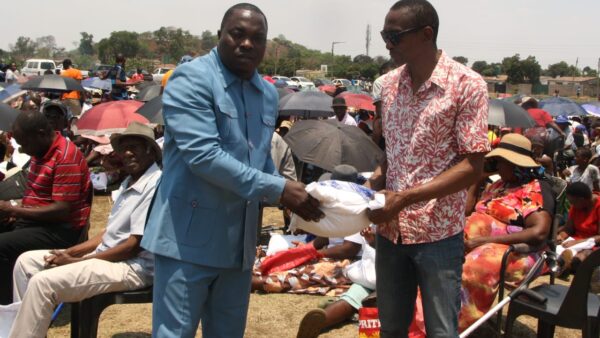
“Enhanced fiscal capacity is allowing the Government to extend social benefits to vulnerable groups under social protection programmes, including the Food Deficit Mitigation Programme, the Basic Education Assistance Module and the Vulnerable Agriculture Input Scheme.
“These interventions reflect our unwavering commitment to building a comprehensive and resilient social protection system that supports women, children, persons with disabilities and the elderly, among others,” he said.
President Mnangagwa also highlighted that the manufacturing sector registered a 15,3 percent contribution to gross domestic product (GDP), and the success is attributable to significant investments in the steel, cement, dairy, cotton-to-clothing and pharmaceutical value chains, among others.
He said the Zimbabwe Industrial Reconstruction and Growth Plan (ZIRGP), rural industrialisation, and the Community Economic Empowerment Trusts will result in increased production, leveraging the country’s resource endowments.
“I urge our people to take advantage of the new policy approved by Cabinet on Community Economic Empowerment Trusts and Reserved Sectors.
“My Government has also reviewed licences, permits, levies and fees, as well as the multiple regulatory requirements across all sectors to enhance the country’s ease of doing business, reduce costs and increase the competitiveness of the local industry,” he said.
The President highlighted that the respective statutory instruments and statutes will be amended accordingly.