Online Reporter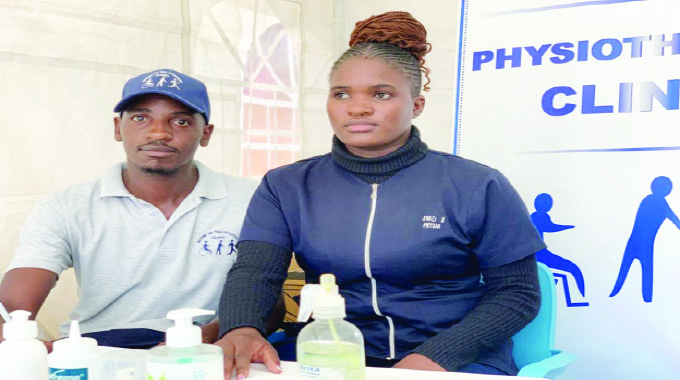
Peter Matika, Sunday News Reporter
FOR the first time in its history, Madzimbe and Tsiga Physiotherapy Clinic exhibited at the just-ended Zimbabwe International Trade Fair (ZITF), joining hundreds of companies and organisations showcasing innovative solutions under the theme “Industrialisation: Crafting an Integrated Economic Landscape.”
As the 65th edition of the ZITF welcomed thousands of visitors to Bulawayo last week, the clinic marked a significant milestone by stepping onto this prominent national platform, amplifying its advocacy for inclusive healthcare and community-based rehabilitation.
Ms Kudzai Kwahla, a physiotherapist at the clinic, described the experience as a defining moment for the team and a major step towards demystifying physiotherapy to the public.
“We are overjoyed to be part of this prestigious event. It’s a fantastic opportunity not only to showcase what we do but also to educate people about various conditions and disabilities that affect so many lives,” she said.
Their exhibition booth featured interactive demonstrations, wellness consultations, and educational materials explaining how physiotherapy aids recovery from injury, chronic illness or congenital conditions.
“Many people still don’t fully understand physiotherapy. Whether it’s stroke recovery, chronic back pain, or improving motor function in children with cerebral palsy, we want people to know we are here to help,” said Ms Kwahla.
Through public engagement, the clinic hopes to spark conversations that foster greater understanding and acceptance of physiotherapy as a vital part of the healthcare system.
“We’re excited to meet new faces and share our passion for helping others. Let’s talk about health and wellness. ZITF has given us a platform not just to promote our services but to build awareness for a healthier, more inclusive community,” she added.
Specialist paediatric physiotherapist and co-founder of the clinic, Mr Precious Madzimbe, said their ZITF debut was more than just an exhibition, it was a statement about shifting health narratives in Zimbabwe.
“We are truly inspired and grateful for this opportunity. Exhibiting here allows us to engage directly with the public, many of whom still associate certain conditions with witchcraft. We are breaking those myths through knowledge and science,” he said.
With over a decade of experience, Mr Madzimbe has worked extensively across Africa and is conducting research on culturally relevant rehabilitation in Zimbabwe. He has contributed to the development of paediatric physiotherapy guidelines now used in national training institutions and hospitals.
He noted that rural communities still face significant challenges due to limited awareness and services, often leading to stigma and neglect.
“In many rural areas, specialised services such as physiotherapy are still unheard of. Children with congenital conditions like cerebral palsy or clubfoot were often hidden from society, their needs unmet and their dignity disregarded,” said Mr Madzimbe.
“Rehabilitation is no longer a foreign luxury, it has become a national priority. I am a proud product of that transformation. Showcasing health services at events like ZITF shows we’re heading in the right direction.”
He praised the Second Republic’s efforts under the universal health coverage strategy, which includes investments in health infrastructure and human capital.
“The Government, through the Ministry of Health and Child Care and its partners, has made great strides. We’ve seen expanded community health programmes, refurbished hospitals, and new training institutions. Physiotherapy and rehabilitation have directly benefited from these advancements,” he said.
Mr Madzimbe added that healthcare in Zimbabwe is increasingly moving beyond reactive treatment, embracing preventative and developmental approaches.
“People living with disabilities have long suffered due to stigma. But through community education, inclusive policies and the mobilisation of traditional leaders, we are changing this narrative,” he said.
Madzimbe and Tsiga Physiotherapy Clinic’s presence at ZITF marked a turning point in raising awareness of the role of physiotherapy in Zimbabwe’s health ecosystem. The team hopes this exposure will not only reshape public perceptions but also inspire young professionals to consider careers in rehabilitation sciences.
“I’ve helped develop Zimbabwe-specific paediatric physiotherapy materials now used in both training and clinical settings nationwide,” he noted.
Mr Madzimbe also recently authored a book on prostate cancer and family support systems in Africa, highlighting the importance of addressing emotional, spiritual, and psychological dimensions in healing.
“One of the greatest honours of these events is being able to teach and learn. I’ve had the privilege to shape the future of physiotherapy through university lectures, national workshops and now through direct public engagement,” he said.