derick.khumalo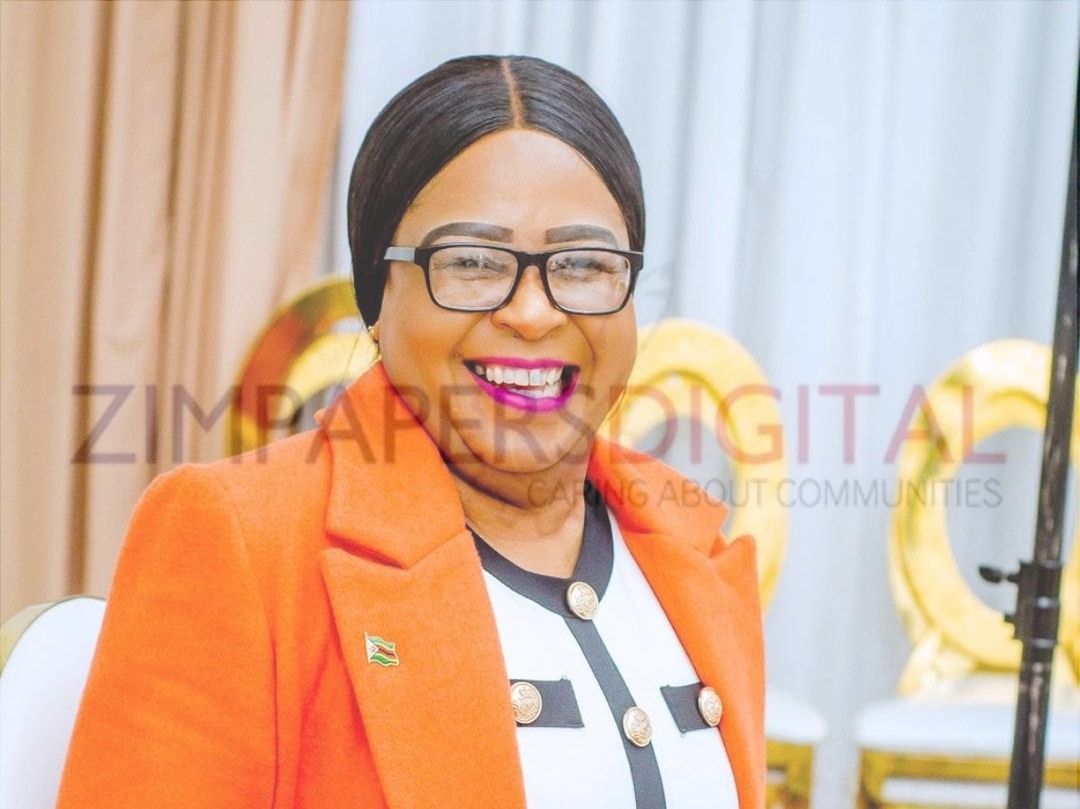
Peter Matika
[email protected]
LOCAL philanthropist and businesswoman Ms Sazini Tshuma, affectionately known as Magolide of Magolide Foundation, has mobilised food donations from various institutions, wholesalers and corporate partners to complement Government efforts in providing humanitarian assistance to Zimbabweans returning from South Africa following the recent wave of xenophobic attacks.
The intervention comes as Government, working with churches, development partners, the private sector and well-wishers, continues to receive and assist returnees through designated transit centres before facilitating their reunification with families across the country.
Ms Tshuma said no Zimbabwean returning home after fleeing violence should have to endure hunger, adding that every sector of society had a responsibility to support Government during periods of national need.
Through her humanitarian initiative, consignments of mealie-meal, cooking oil, rice, sugar, flour, beans, canned food, bottled water and other essential groceries have been sourced from wholesalers and various institutions for distribution to vulnerable returnees.
The donations are expected to supplement food supplies already being provided at reception centres and to assist families hosting returning relatives.
Ms Tshuma said the humanitarian crisis required unity, compassion and collective responsibility.
“We cannot stand by while our fellow Zimbabweans return home traumatised and uncertain about their future. Many left the country seeking better economic opportunities, but circumstances beyond their control have forced them back home,” she said.
“As citizens, businesses, churches and community organisations, we all have a responsibility to stand with Government in ensuring that no returnee goes hungry. Food is a basic necessity and restoring hope begins by meeting the immediate needs of our brothers and sisters.”
She commended Government for coordinating the reception and reintegration programme, saying private sector participation would strengthen national efforts.
“Our contribution may appear small when compared to the magnitude of the challenge, but together we can make a significant difference. Every bag of mealie-meal, every food hamper and every act of kindness restores dignity to someone who has lost almost everything,” said Ms Tshuma.
Beyond food assistance, Ms Tshuma said sustainable reintegration required empowering returnees with practical skills that would enable them to rebuild their lives.
To that end, she has partnered Deputy Minister of Industry and Commerce, Cde Raj Modi, to facilitate vocational training programmes at Bellevue in Bulawayo.
The initiative is expected to equip returnees with marketable skills in various trades, enabling them to establish small businesses or secure employment.
Ms Tshuma said the programme was designed to transform vulnerable returnees from aid recipients into economically productive citizens.
“Emergency food assistance is important, but empowerment is the ultimate solution. We want these young men and women to regain their confidence by acquiring practical skills that enable them to earn a living, support their families and contribute meaningfully to national development,” she said.
She said the partnership reflected a shared commitment to supporting Government’s vision of inclusive economic development and ensuring that no Zimbabwean was left behind.
“Our objective is not merely to provide relief for today, but to create opportunities for tomorrow. Skills development gives people hope, independence and a renewed sense of purpose,” she said.
Beneficiaries of the programme are expected to undergo vocational training in a range of disciplines aimed at enhancing entrepreneurship and self-employment prospects.
The initiative has been welcomed by community leaders, who said the combination of humanitarian relief and skills development would ease the reintegration of returnees while reducing their vulnerability.
Government has consistently called upon individuals, companies, churches and development partners to complement national efforts to support citizens returning from South Africa.
The collaboration between Government and the private sector has seen increasing donations of food, clothing and other essentials. At the same time, skills development initiatives are expected to provide long-term economic opportunities for returnees as they begin rebuilding their lives in Zimbabwe.


 Online Reporter