Chronicle Editor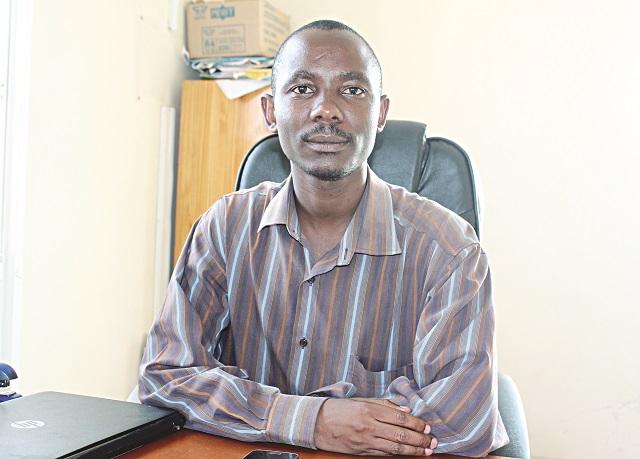
Andile Tshuma
Achieving better health outcomes cannot be a success without addressing the gender dynamics involved in health-seeking behaviours.
The Covid-19 pandemic has shown the need to involve men and women and to mainstream gender in the fight against the pandemic.
When talking of gender mainstreaming, most focus has been on the inclusion of women and ensuring that they were involved and their welfare and needs were well taken care of. Not much is said about men, as they are always thought to be privileged, society is still very patriarchal after all.
However, in health matters, this is not always the case, as masculinity and health often do not go together hence the need to involve men in issues of health and access to health services.
Men are quite an interesting, if not intriguing species. They exhibit rather peculiar behaviour, especially in matters that concern their health. For fear of being deemed weak, not wanting to worry family, most men will suffer in silence when they have an ailment only to seek medical help when it is sometimes too late. Men will often try their best to man up! Whatever it takes.
This stems from toxic masculinity. In Zimbabwe, men in many communities exhibit this disturbing lack of health-seeking behaviour. When they eventually do so, their families know the situation is really bad. The Covid-19 pandemic has however, propelled many organisations to shift their focus from talking about health to helping address health issues, which has helped to shine the spotlight on men’s health-seeking behaviours. Padare/Enkundleni Men’s Forum on Gender programmes officer Mr Ziphongezipho Ndebele said socialisation plays a huge role in how men perceive health-seeking behaviours within the frame of masculinity.
“We have been taught to be strong. Izibhedlela ngezabafazi labantwana. (Hospitals are for women and children). If you see me in hospital as a man, I will be most probably looking for my cows that wandered into the premises. If we fall sick, we resist any advice to see a doctor and will only get to hospital either being pushed in a wheelbarrow or rushed in an ambulance. We believe in self-diagnosis of illnesses and self-prescription, if the illness persists. But most men tend to believe that sicknesses will wear off on their own. Many say they have no time, too busy dealing with taking care of family,” said Mr Ndebele.
He said most men particularly found it hard and unnecessary to seek mental health help or counselling services, although the trend is slightly changing following the focus on mental health awareness during the Covid-19-induced lockdowns.
“You will realise that mental illness is common mostly in men because they do not seek help and do not share their problems. Many men are battling depression. It is real. We really need to reach out more and share the message that it is okay not to be okay. If you look at the suicide statistics in recent years, they will reveal a worrying trend and show you that we are indeed in a crisis,” said Mr Ndebele.
“We are trying to engage men to seek services and go to hospital when sick. Just going for check-ups is important, to get help and advice. If a man goes to seek health services, the family is also likely to enjoy optimum health,” he continued.
It is sad that many men often look for and are knowledgeable about medication and vaccinations for pets and livestock but not about family health.
The Zimbabwe Demographic and Health Survey (ZDHS) 2018 reported that among respondents who reported having a sexually transmitted infection or symptoms of an STI, 55 percent of men sought no advice or treatment compared to 48 percent females. Also, only 16 percent of men, compared to 30 percent of women, received an injection from a health worker in the 12 months preceding the survey.
A new report, “Masculine Norms and Men’s Health: Making the Connections” published recently by Promundo also provides an overview of the current state of men’s health globally and illustrates the direct connections between health-risk behaviours and salient masculine norms. Founded in Brazil in 1997, Promundo is a global consortium working to promote gender equality and create a world free from violence by engaging men and boys in partnership with women and girls. In the report, evidence on the links between hegemonic masculine norms and influential health-risk behaviours, including poor diet, substance use, occupational hazards, unsafe sex, and limited health-seeking behaviour is quite clear. Presenting a new analysis of men’s health using data from the 2019 Global Burden of Disease (GBD), the report outlines the leading causes of morbidity and mortality among men globally.
The report emphasises that salient norms related to masculinities and the gendered nature of men’s lives are a driving force in men’s ill-health. It further states that while biological factors are involved in male-specific ill-health, the vast majority of men’s morbidities and excess mortality is related to health practices, and the social and cultural influences that shape them.“In short, while some gender norms can be protective in terms of health outcomes, men’s poor health is most often driven by their efforts to live up to or adhere to restrictive societal norms related to manhood. Leading health-risk behaviours that account for a major share of men’s ill health are directly related to masculine norms and masculinities interacting with other factors,” says the report.-@andile_tshuma



 Online Reporter