Sundaymail Editor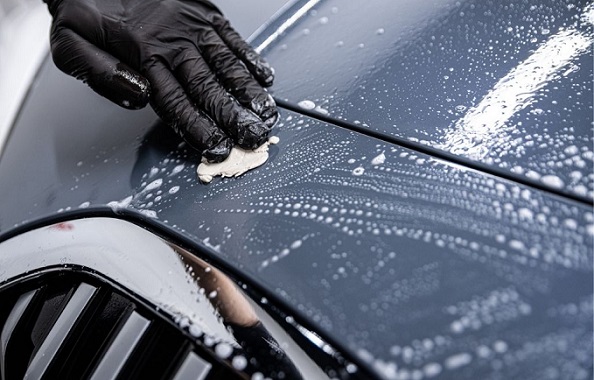
IT is natural to want your car to last as long as possible, especially if you want to get more money for it when the time comes to sell it.
With some simple car maintenance tips, you can extend the life of your car and keep it in better shape.
In this guide, we cover the top tips that anyone can do.
From cleaning the vehicle to following the maintenance schedule, you can get more life out of your car.
To keep your car running its best, clean it and maintain fluid levels.
Replace windshield wipers, rotate the tyres, maintain tyre pressures and perform regular inspections.
Make sure you keep the battery terminals clean, change the oil, replace the brake pads and stay on top of regular maintenance.
- Wash your vehicle regularly
It may not seem like cleaning the car is going to keep it in good shape, but it is imperative to the life of the vehicle. By cleaning off road salt, debris and contaminants, you prevent rust and corrosion from occurring.
Rust forms because of a chemical reaction when the iron molecules of the car interact with oxygen.
If you try to sell a rusty car, you are not going to get the full resale value and rust is very expensive to repair. Your best bet is prevention.
- Check and maintain fluid levels
Every fluid that is used in your vehicle has an important purpose, but to work properly, it must be filled. For example, there must be enough motor oil for the engine to receive the lubrication it needs. The same is true with transmission fluid.
For that reason, you want to check all of the fluids periodically, even the windshield washer fluid. If any of them are low, top up the system.
If the fluid continues to look low, there could be a leak that needs to be repaired.
- Replace windshield wipers
You may not think about the windshield wipers until they start to leave streaks behind.
To keep your visibility its best, we recommend changing the wipers every year unless extreme situations call for replacement more frequently.
The windshield wipers should always glide seamlessly across the auto glass.
There should be no residue or streaks left behind. Any imperfection can lead to reduced visibility, which could cause an accident, so do not wait.
- Rotate the tyres
By rotating the tyres every 8 046,72km to 12 070km, you help the tread wear evenly. However, rotating the tyres is not always a simple task.
You need to pay close attention to tyre rotation patterns, as each car requires something different. In some cases, it is okay to rotate the tyres from front to rear or side to side.
Other cars require the forward cross, X-pattern or rearward cross rotation instead.
- Check and maintain tyre pressure
Tyres are the only part of your vehicle that touches the road. For that reason, it is imperative that there is an appropriate amount of pressure inside them, ensuring you have a safe ride. You can find the recommended psi on the label inside the driver’s side door.
We recommend checking the tyre pressures once a month and topping up the air if necessary. You also want to check them when the temperatures change significantly. If you find a leak in any of the tyres, you should have it repaired or replaced immediately.
- Pay attention to your tyre tread
While you fill up the tyres, perform a quick inspection of the tread. If you notice uneven tyre wear, you may be able to get away with a rotation, but you should figure out what is causing the problem and fix that as well.
If there is any damage to the sidewall or chunks out of the tread, you have bigger problems. Have the tyre replaced immediately before you have a blowout on the highway.
- Check your headlights, turn signals, brake and parking lights
While checking the lights on your car is not going to keep it running better, it can prevent an accident.
You have a lot of exterior lights that must be working correctly to protect you. For example, you need the headlights when driving in low-light situations, or you may not be able to see far enough.
Every once in a while, grab a friend and check all the lights together.
Run through the headlights, turn signals, brake lights and parking lights.
Do not forget to throw the car in reverse too, making sure those indicators light up.
- Keep the battery terminals clean
For your vehicle to start, you need a functioning battery to provide plenty of voltage. If any of the connections become corrupted, the voltage will not be able to flow freely, and you may get stranded in an uncomfortable location.
Take time to visually inspect your car battery occasionally for any signs of wear. You are looking for bulges or swelling of the case. If you see these, the battery should be replaced. If you see corrosion on the terminals, you can clean it off with a baking soda and water mixture to re-establish the connection.
- Change the motor oil
Changing the oil is one of the most important ways to keep your car running at its best. Depending on what type of oil you use, you may need to change it every 4 828km to 16 093,44km.
At the same time, you should replace the engine oil filter to keep the fluid flowing freely. In between changes, check the oil level and monitor the system for any leaks.
- Replace the brake pads
There is no set interval for when brake pads should be replaced.
They may need to be replaced as early as 40 233,6km if you spend a lot of time in stop-and-go traffic. Otherwise, they could last up to 120 700,8km.
The key is to make sure they get replaced at the first sign of wear. As soon as you hear squealing noises or notice trouble stopping, it is time to put new pads on. It is also helpful to start watching the pads after 40 233,6 km. If you do not change them, you could face damaging the rotors or other vital brake components.
- Replace the cabin air filter, fuel filter and air filter
Your car has multiple filters installed to keep it running at optimal conditions.
Each filter has its own recommended replacement interval that should always be followed.
If it is not, damage could occur to the engine or other vital components.
For example, the cabin air filter should usually be replaced every 24 140,16 kilometres (km), while the fuel filter normally has a recommendation of every 32 186,88 to 48280,32 kilometres (km).
You may need to replace the engine air filter every 19 312,128 to 24 140,16 km. Find the recommended intervals for your car in the manufacturer’s maintenance schedule.
- Inspect belts and hoses, serpentine belt cars
While you are not required to change the belts and hoses regularly, you do want to check them often. If there is one with a malfunction, tear or crack, you want to know it sooner than later.
Whether you are dealing with a vacuum hose or the serpentine belt, a quick inspection can head off a lot of trouble. You may want to include these checks in your yearly maintenance.
- Check brake pads and rotors
While it is essential to change the brake pads regularly, it may be even more valuable to inspect them frequently. Dirt and debris can get trapped in the brakes, leading to mechanical problems.
If you are on top of the brake condition, you can prevent costly repair bills.
You will also know when the pads and rotors need to be changed.
- Lubricate door hinges
If you have ever driven a car with a squeaky door, you know how annoying it can be.
By applying lube regularly, you can keep these noises at bay. Additionally, if hinges are dry, they can bend or wear out over time. It is also a common area for rust to occur, which we dealt with earlier.
There are several types of lubricants you can choose from. Lithium grease is heavy and great for door hinges. It prevents degradation and repels moisture. Silicone spray is lighter but can also prevent rust from occurring.
Teflon or PTFE repels water and works well in extreme temperatures. Otherwise, you might try a dry lubricant, but it is not going to offer as much protection as a wet alternative.
- Wheel alignment every two years
If the wheels are not aligned, the tyre tread is going to wear unevenly. It can also cause trouble keeping the vehicle on the road as you fight the alignment.
It is best to have the wheels aligned every two years. If you change the wheels, tyres or have any other suspension work, you may also need to get another alignment. – Wires



 Online Reporter