Nqobile Bhebhe in Nyamandlovu
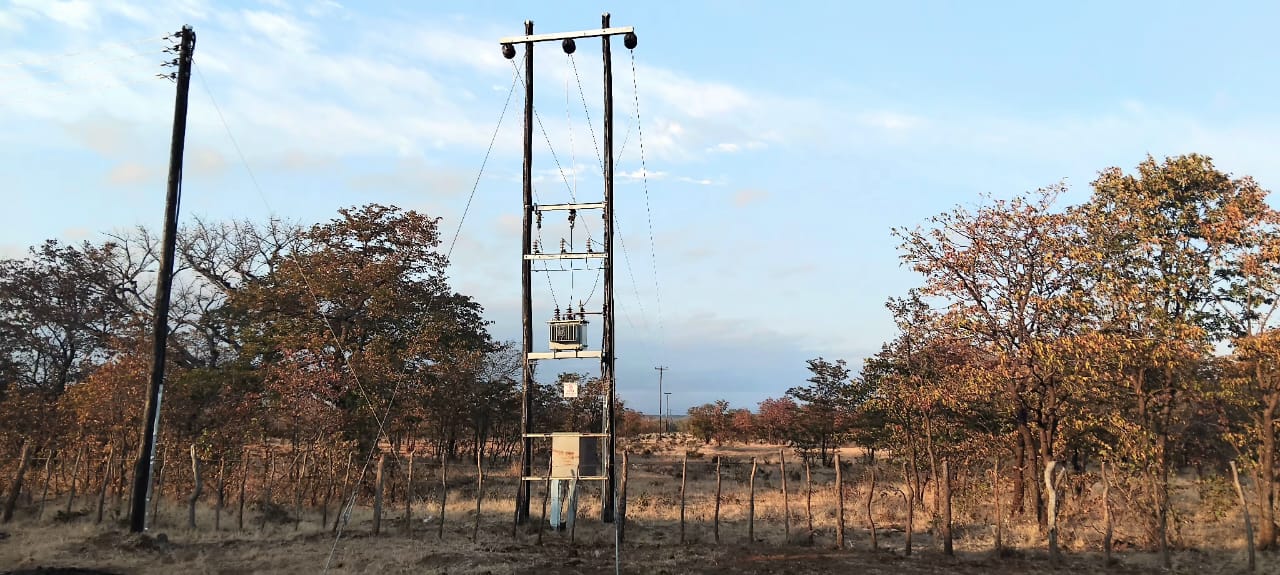
MAJINDANE Primary School in Nyamandlovu is today set to be connected to national electricity grid as the Government, through the Rural Electrification Agency (REA) continues to expand access to modern energy services in rural communities across the country.
Energy and Power Development Minister July Moyo is expected to officiate at the switch-on ceremony, marking another milestone in the Government’s efforts to improve infrastructure and service delivery in rural areas.
The electrification of the school adds to a growing number of educational institutions benefiting from the national rural electrification programme, which is aimed at enhancing learning conditions, improving access to technology and supporting socio-economic development.
The impact of the programme is increasingly evident across Matabeleland North Province, where REA statistics show that as of 8 June, 458 primary schools and 192 secondary schools have been electrified.
For villagers of Majindane and surrounding communities, the switch-on ceremony represents more than the connection of power infrastructure.
It marks the culmination of years of anticipation and opens new opportunities for improved education, communication and economic activity.
The Government has in recent years accelerated the rollout of rural electrification projects through REA, bringing electricity to communities that previously had limited access to modern energy services.
The electrification drive is playing a critical role in transforming rural livelihoods by improving service delivery in key sectors such as education, healthcare, agriculture and commerce, while also creating opportunities for economic growth and investment.
In schools, access to electricity enables the use of information and communication technologies, enhances teaching and learning, and allows learners to study under improved conditions.
The rural electrification programme is financed through the Rural Electrification Fund, a statutory facility established in 2002 to support the expansion of electricity infrastructure to underserved communities.
The fund is financed through levies collected from consumers connected to the national electricity grid, providing resources for the continued rollout of electrification projects across the country.