admin
admin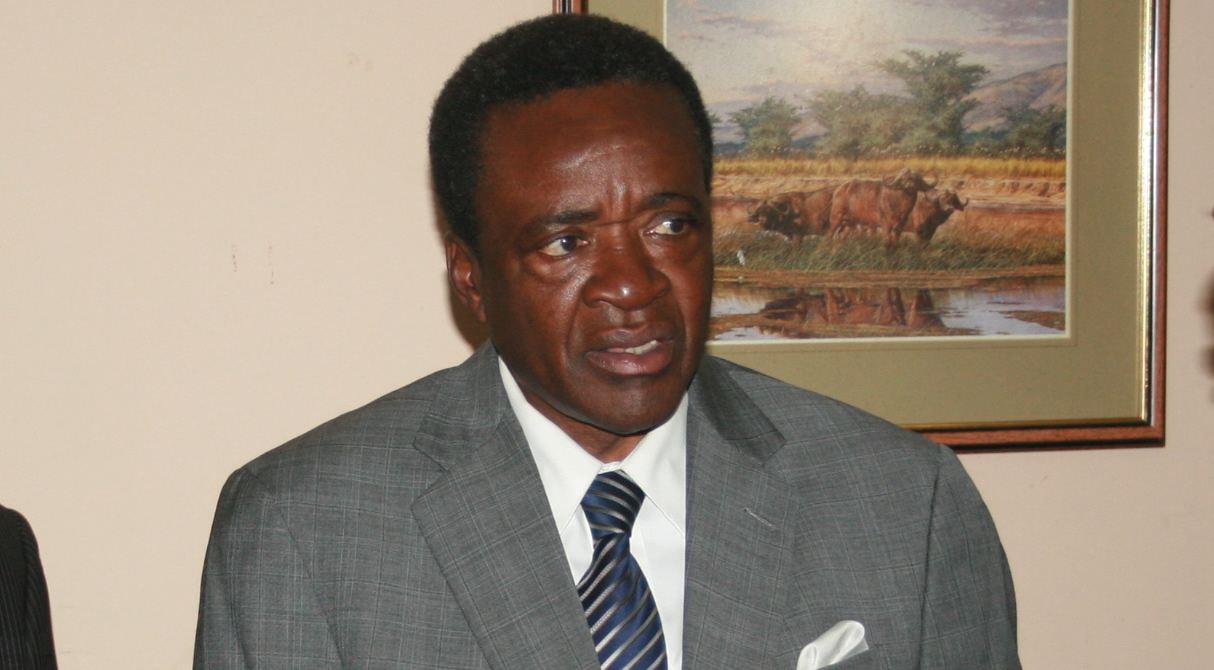

Harare Bureau
ZIMBABWE needs more affordable information communication technology to bridge the yawning digital divide, Information Communication Technology, Postal and Courier Services Minister Webster Shamu has said.
Minister Shamu made the remark yesterday while addressing delegates to the Southern Africa Telecommunications Association three-day workshop running from yesterday until tomorrow in Victoria Falls. The regional workshop was attended by regional telecommunications stakeholders from TelOne in Zimbabwe, Zamtel Zambia, BTC Botswana, Swazi Telecom, Econet Lesotho, Tanzania Telecommunications Company, Telkom South Africa, Telecom Mauritius, Angola Telecom, Malawi Telecommunications Limited, the Democratic Republic of Congo.
“Closing the digital divide means we need more affordable technology, which means we need to keep the costs of development and manufacturing as low as possible,” Minister Shamu said. He said Government has invested in national internet backbone through TelOne, which brings low cost and high speed Internet to ordinary Zimbabweans and other telecommunication operators while duty on all ICT gadgets was waived to make them affordable.
Minister Shamu noted that in today’s challenging economic climate, broadband was more essential than ever for stimulating economic recovery, growth development and creating jobs.
The sentiments were echoed by TelOne managing director Mrs Chipo Mutasa who said internet was now integral to socio-economic development, adding every sector of the economy is migrating to broadband for growth; from healthcare to small and medium enterprises.
“The internet is the “digital oxygen” that is boosting economic growth in most countries. A 10 percent extra penetration in broadband means 1 percent to 1,5 percent more GDP growth,” she said.
She said businesses and the economy should have access to broadband solutions at a time many people in the region are without this basic right; in particular in the communal and rural areas.
Minister Shamu said deployment of broadband infrastructure therefore carries important public benefits for the global good, including accelerating progress towards achieving the Millennium Development Goals and the International Telecommunications Union’s Connect Africa Summit Goals. To that end the ITU Broadband Commission asked Zimbabwe to take note and implement the four broadband targets on making broadband policy universal, affordable (5 percent of monthly income), connecting (40 percent) homes and getting (65 percent) people online by 2015.
As part of Government’s commitment to the World Summit on the Information Society, Zimbabwe accepted the task to connect villages with ICTs in established community access points” and to also ensure access to ICTs by secondary and primary schools, scientific and research centres as well as public libraries, cultural centres, museums, post offices and archives.



 Online Reporter