Online Reporter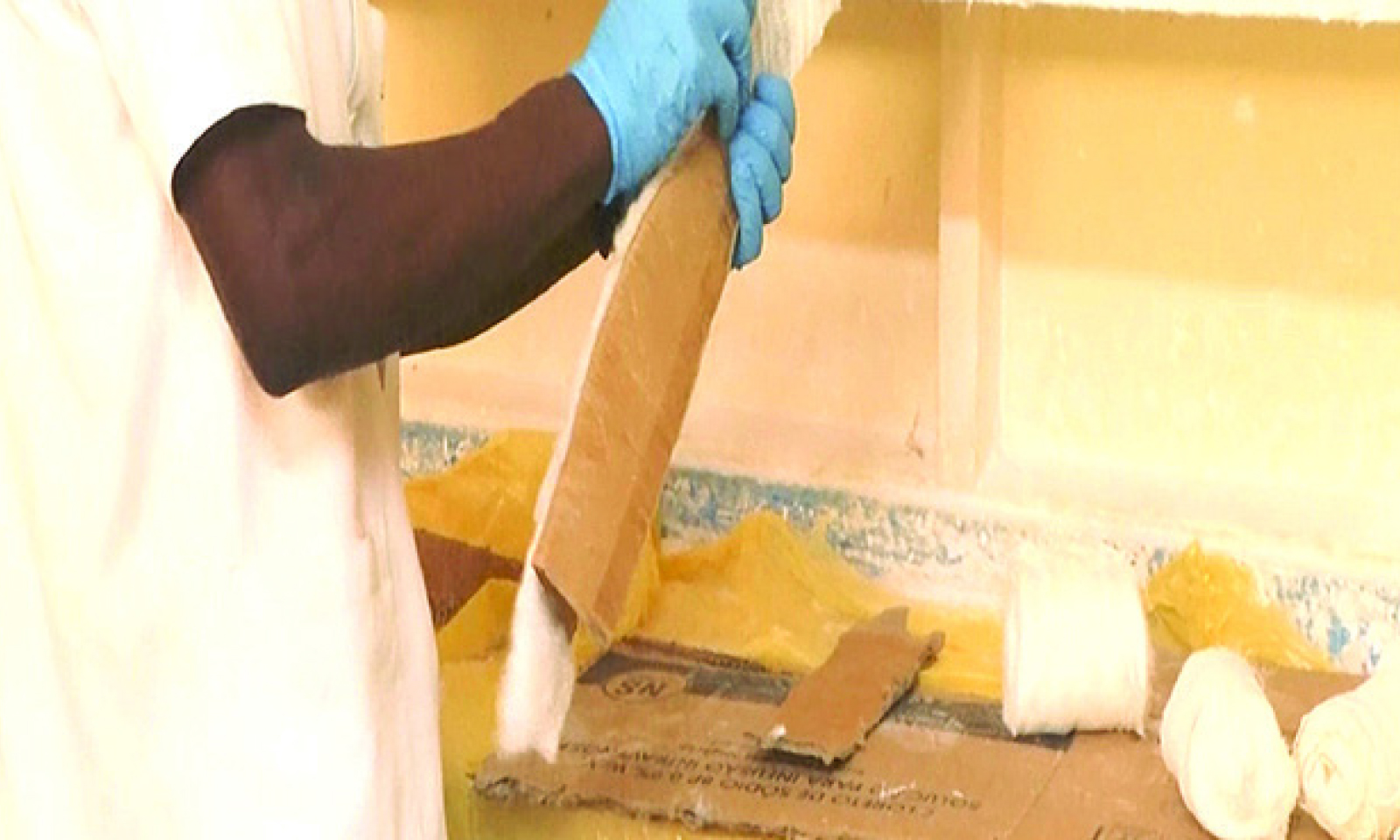
GENEVA. — At Mbarara Regional Referral Hospital Uganda, 60% of all admissions are due to severe trauma, 30-35% of which are from tibia/fibular fractures.
Emergency splinting of these fractures can be lifesaving and ideally, Plaster of Paris (POP) is the gold standard.
Improvised cardboard splints have replaced POP since they were more readily available and thought to be less expensive to apply especially during the Covid-19 pandemic supply chain crisis.
While anecdotal evidence exists dating since the First World War, scarce published works exist in measuring the clinical effectiveness of cardboard splints in comparison to POP.
The aim of this study was to find out if cardboard can be an effective and cheaper emergency alternative splint to POP especially during the supply chain crises frequent in low resource environments.
A prospective, experimental, cadaveric study was done where 44 open tibia-fibular fractures were splinted with both cardboard and POP.
The clinical effectiveness of cardboard and POP splints was found through the measurement of immobilisation at a fracture site via the use of 5 angular and 9 linear measurements. Cost comparisons of the splint were also done.
Cardboard proved to be the non-inferior splint in 9 of the 14 measures of effectiveness.
In the other 4 measures, no statistically significant differences were seen, while POP was superior in 1 measurement.
Cardboard proved to be the least expensive splint.
During extreme shortages, cardboard could be considered as an emergency material for adequate splinting of lower limb fractures. — European Society of Medicine.