Chronicle Editor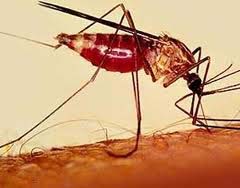
Thandeka Moyo-Ndlovu, Health Reporter
MALARIA cases in the country have dropped by 79 percent since 2004, the Ministry of Health and Child care has said.
The cumulative cases have been reduced by 79 percent while deaths by 42 percent following the launch of an intensive anti-malaria campaign between 2015 and 2019.
Zimbabwe has also managed to reduce the number of malaria related deaths in the past years and is one of the few African countries working on eliminating malaria.
The country joined the rest of the globe in marking World Malaria Day on Sunday.
Malaria is a life-threatening disease that is transmitted by a bite of an infected anopheles mosquito.
The Ministry of Health and Child Care says malaria heavily burdened districts in Zimbabwe include Binga, Gokwe North, Beitbridge, Hwange, Mbire, Rushinga, Mudzi, Nyanga, Mutasa and Chimanimani. According to the World Health Organisation’s world malaria report 2020, 7,6 million malaria-related deaths have been averted since 2000.
Half of the world still lives at risk of malaria and about 409 000 people died from the disease in 2019.
In 2015 cases stood at from 29/1000 population and went down to 22/1000 population in 2019. Deaths went down from 462 in 2015 to 192 in 2018.
Malaria infections remain high in Manicaland, Mashonaland East, and Mashonaland Central provinces.
An estimated two thirds of these deaths are children under the age of five and the disease is said to kill one child every two minutes globally.
“Zimbabwe joined the rest of the world in celebrating World Malaria Day on Sunday. The country has achieved a 79 percent reduction in malaria cases and 42 percent in deaths between 2004 and 2020,” said the Ministry.
“Zero malaria deaths are possible and they start with you as malaria remains a preventable and treatable disease. Everybody is urged to combine efforts in fighting the disease which remains deadly even during Covid-19.”
In a statement to mark the day, the Community Working Group on Health executive director Mr Itai Rusike said the outbreak of Covid-19 hardened the fight against malaria in Zimbabwe.
“As malaria continued to fight back and cause needless deaths, Covid-19 struck, complicating the efforts to end malaria. The Covid-19 pandemic and restrictions related to the response caused disruptions to essential malaria services,” said Mr Rusike.
“Initial messaging that targeted to reduce coronavirus transmission advised the public to stay at home if they had fever, potentially disrupting treatment for those who may have had malaria and needed treatment.”
He said the fight against malaria must remain a priority to protect the progress made to defeat the disease. Mr Rusike said this calls for high impact investments in education, prevention, diagnosis and treatment, including research and development.
“Key to fighting malaria is building stronger health systems, which have been weakened further by the onset of Covid-19. To achieve this, there is a need for stronger political leadership, more funding and increased innovation,” said Mr Rusike.
He called for a cross cutting approach that unites human, animal and environmental health interventions to achieve desired public health outcomes.
“Communities must be at the heart of the malaria response and in the face of Covid-19, it is time for rigorous efforts to protect everyone who is at risk of malaria and to guard the tremendous strides made in fighting the disease. Critically, malaria programmes must be integrated with broader efforts to build stronger systems for health, which are anchored on established community health systems”.
Mr Rusike also said that despite the added challenges of Covid-19, malaria elimination remains a viable goal towards achieving universal healthcare coverage so that every Zimbabwean has access to efficient and affordable healthcare.
“Malaria elimination is possible. Zero malaria is within reach because ending malaria will reduce the burden on health systems and increase capacity to detect, prevent, and respond to pandemics,” he added. — @thamamoe



 Online Reporter