admin
admin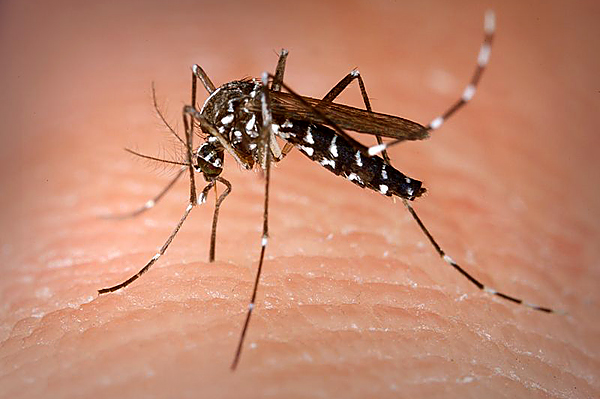
Paidamoyo Chipunza Senior Health Reporter
Harare City Health Department is concerned with the increased number of malaria cases being recorded in the city since the beginning of the year, health director Dr Prosper Chonzi has said.
In an interview with The Herald yesterday, Dr Chonzi said the city was recording up to 30 cases of malaria every week in contrast to about five cases during the same period in the past.
Dr Chonzi said most of the cases were recorded in Caledonia and Hatcliffe.
Traditionally, Harare was considered a malaria-free district with the few cases recorded being those of people with a history of travel to malaria areas.
“Conditions in Harare were not suitable for breeding of the anopheles mosquito which causes malaria,” said Dr Chonzi. “All that was in the city was nuisance mosquitoes, which do not transmit malaria.”
Dr Chonzi said previous cases in Harare did not exceed 10 at any given time, with people with a history of travel from malaria districts accounting for the bulk of the cases.
He said sometimes cases increased as some patients presented with flu-like symptoms to health facilities and were treated for suspected malaria.
“But since the beginning of the year, we have been seeing an increase in the number of positive malaria cases in Harare, particularly from Caledonia and Hatcliffe suburbs and this has prompted us to activate malaria surveillance and prevention measures, particularly in the affected areas,” said Dr Chonzi.
He said the city was working on malaria spraying and distribution of treated mosquito nets, among other preventive measures.
Zimbabwe has a long history of malaria outbreaks because of its high altitude, although low-lying areas have tended to have the highest recorded cases.
In Zimbabwe, malaria endemic areas include Mutare, Gokwe, Mutoko, Dande, Chikombedzi, Mudzi, Hwange and Mt Darwin.
After HIV and Aids, malaria is the biggest killer of children under five in Zimbabwe and pregnant women, as well as new-borns.
Malaria is preventable and curable, but can cause deaths if patients delay in seeking medical attention.
Malaria cases in Zimbabwe begin to rise in February and peak in April and May.



 Online Reporter