Chronicle Editor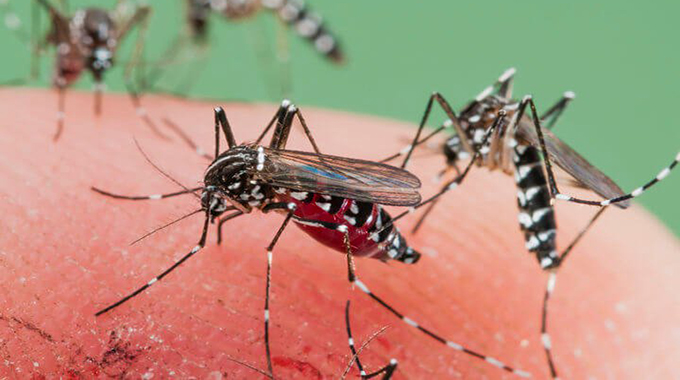
Thandeka Moyo-Ndlovu, [email protected]
EIGHTEEN people have succumbed to malaria in Zimbabwe since the beginning of the year, with cumulative reported cases now at 12 936.
Malaria is a deadly disease caused by parasites and is spread to humans through bites of infected female Anopheles mosquitoes. It is preventable and curable.
Signs and symptoms of severe malaria include jaundice in white palms, which is a sign of anaemia, very high temperature, severe body weakness (unable to sit, passing very little urine or not passing urine at all and severe vomiting).
According to the Disease Surveillance Report from the Ministry of Health , Mashonaland East and Mashonaland Central provinces account for a majority of the cases.
“The disease surveillance report for the week ending 31 March 2024 shows that 1 979 malaria cases and three deaths were reported during the week. Of those, 175 of the reported cases were from under five years of age. “The deaths were reported from Nyanga District (1) in Manicaland, Masvingo and Harare and provinces,” read the report.

“The provinces that reported the highest number of cases were Mashonaland Central Province (1 157) and Mashonaland East Province (301). The cumulative figures for malaria cases are 12,936 and 18 deaths.”
Zimbabwe uses indoor residual spraying (IRS) as the major malaria control strategy to prevent malaria and this has helped to protect an average of 3,3 million people from malaria each year. Between 2010 and 2021, more than seven million nets have been distributed across the country.
The World Health Organisation African Region continues to shoulder the heaviest burden of the disease – accounting, in 2021, for an estimated 95 percent of all malaria cases (234 million) and 96 percent of all deaths (593 000).
Nearly 80 percent of malaria deaths in the African Region were among children under the age of five. Zimbabwe will next week join the rest of the world in commemorating World Malaria Day, on April 25, under the theme: “Accelerating the fight against malaria for a more equitable world.”



 Online Reporter