Online Reporter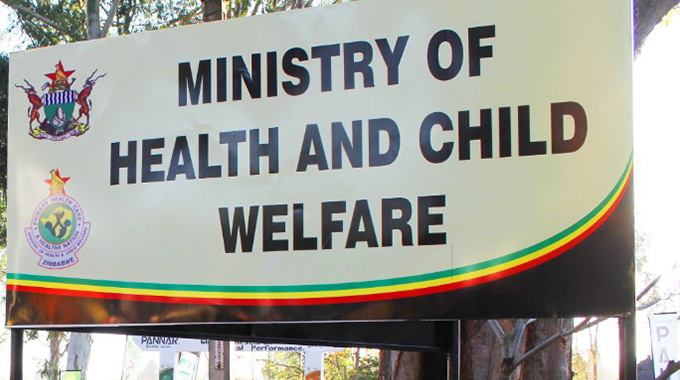
Robin Muchetu, Health and Gender Editor
APPROXIMATELY 145 people have died from malaria in the first 17 weeks of 2025, with nearly 60 000 cases reported during the same period — a deeply concerning trend that marks a significant increase compared to the same timeframe last year.
The Ministry of Health and Child Care has reminded the public that the country is currently in its high malaria transmission season. Anyone experiencing symptoms such as fever, chills, sweating, headaches, joint pain, nausea, vomiting, or diarrhoea is urged to seek testing and treatment within 24 hours at their nearest health facility or through a Village Health Worker.
The ministry expressed deep concern over the sharp rise in malaria cases and fatalities across the country this year, highlighting several contributing factors.
“From Week 1 to Week 17, cumulative malaria cases have increased by 180 percent, rising from 21 309 in 2024 to 59 647 in 2025. Malaria-related deaths have also surged by 218 percent, from 45 in 2024 to 143 in 2025.

“This increase is being driven by a combination of environmental and behavioural factors. Increased rainfall, humidity, and temperatures have created ideal conditions for mosquito breeding. Simultaneously, more people are engaging in outdoor activities such as artisanal mining, farming, tobacco curing, and cross-border trading — particularly during dusk to dawn, when mosquitoes are most active. Many of these activities occur in remote areas with limited access to health services, leading to delays in treatment and a rise in fatalities,” the ministry said in a statement.
In 2024, Zimbabwe recorded only one malaria outbreak. However, in 2025, the country has already experienced 115 outbreaks, with only 23 brought under control.
“The majority of outbreaks have been reported in provinces with high levels of artisanal mining and agricultural activity. Mashonaland Central, Manicaland, and Mashonaland West are the most affected, accounting for a combined 82,8 percent of all cases and 72,9 percent of all deaths. Children under the age of five represent 14 percent of total malaria cases,” the ministry noted.
To combat the outbreak, the ministry has implemented several interventions across the country.
“These include the free distribution of malaria prevention tools such as Insecticide-Treated Nets (ITNs), larvicides, diagnostic kits, and treatment medicines. Provincial and district health teams have intensified community mobilisation and awareness campaigns to promote early treatment and the use of mosquito prevention methods. A total of 1 615 000 ITNs are being distributed in 14 high-risk districts, although there is a shortfall of 600 000 nets due to the withdrawal of funding from the United States Government,” the statement continued.
The US Government had been supporting Zimbabwe’s fight against malaria, tuberculosis, and HIV, contributing US$100 million towards TB and malaria programmes. However, this funding has recently been withdrawn.
Despite this setback, the Zimbabwean Government has reaffirmed its commitment to bridging the funding gap through increased domestic financing mechanisms.
Larvicides are being applied to mosquito breeding sites where available, although supply remains limited. The ministry also confirmed that it has sufficient stocks of malaria medicines and diagnostic kits.
“These were pre-positioned ahead of the peak transmission period through Natpharm, in collaboration with Provincial Medical Directors. All suspected malaria cases are tested, and if positive, are treated accordingly.
“Efforts are also ongoing to collaborate with the Ministry of Mines and Mining Development to better reach artisanal mining populations, who are highly mobile and often difficult to access.”
Despite these efforts, the Ministry acknowledged that several challenges persist.
“Climate change continues to extend the mosquito breeding season and increase the vector population. Artisanal mining activities are expanding, creating more breeding sites and exposing more people during peak mosquito biting hours. Many of these communities remain hard to reach and are often hesitant to engage with health authorities,” the Ministry said. — -@NyembeziMu