admin
admin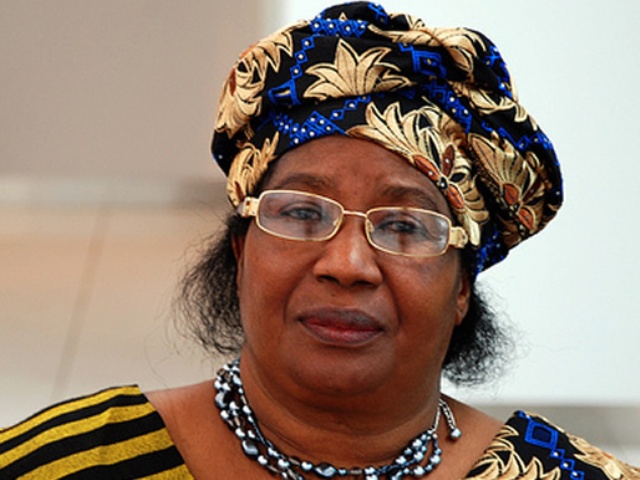
BLANTYRE. — Khumbo Hastings Kachali, Malawi’s current vice president, has rejoined the Democratic Progressive Party, the party’s president Peter Mutharika said at a rally in Mzimba.Kachali last week informed president Joyce Banda that he had resigned from the People’s Party where he served as vice president, but remained state Vice President until the May 20 elections.
Speaking at a rally in Mzimba on Monday which Kachali attended and spoke in support of Mutharika’s presidential bid, the DPP leader said the party has welcomed back the VP into its fold, happily.
While Mutharika said Kachali’s gesture, humbled him, he fell short of describing it as a miracle.
“I am both excited and surprised. Of all the people, I did not know that Kachali would endorse me. I accept it. We will work together because Malawi is one country. The regions are colonial relics and have no meaning now.
Meanwhile, president Banda was not the front-running candidate in the run-up to Malawi’s May 20 tripartite elections, but the race was too close to call, according to a public opinion survey conducted by Afro-barometer six to eight weeks before next week’s polls.
The survey, conducted by the African public opinion survey project, Afro-barometer, found that in the period March 23 to April 7:
- The Democratic Progressive Party and its presidential candidate, Peter Mutharika — brother of former president Bingu wa Mutharika, who died in office in 2012 — had a “slight edge” over its rivals. Mutharika was favoured as president by 27 percent of adult Malawians, and his party by 23 percent in the parliamentary election race.
- The Malawi Congress Party (MCP), which ran Malawi as a one-party state under the leadership of the country’s first president, Hastings Kamazu Banda, for nearly 30 years, was running in second place. The party was preferred by 18 percent of adults for Parliament and its presidential candidate, Lazarus Chakwera, by 21 percent.
- The People’s Party of president Banda, which she founded after being sidelined as vice president by Bingu wa Mutharika, was running neck-and-neck with the MCP. Eighteen percent of adults favoured the party in parliamentary elections, and she was drawing the support of 19 percent of adults for the presidency.
- The United Democratic Front, which ended the rule of the MCP in 1994 and under whose banner president Mutharika first governed, was chosen by 11 percent in parliamentary polls. Its candidate, Atupele Muluzi — son of Bakili Muluzi, who ruled Malawi for two terms after 1994 — was preferred by 14 percent in the presidential race.
However, 15 percent of Malawians either did not know or would not reveal their choices at the time they were polled. This proportion “is larger than the margin between the individual candidates and parties,” Afro-barometer noted, throwing the outcome of the election wide open.
Apart from the fact that potential voters’ views may have changed by the time they vote next Tuesday, Afro-barometer says it is not known how many young, first-time voters have registered and will vote, and this could influence the result. — Nyasa Times/Allafrica.com.


 Online Reporter