

 admin
admin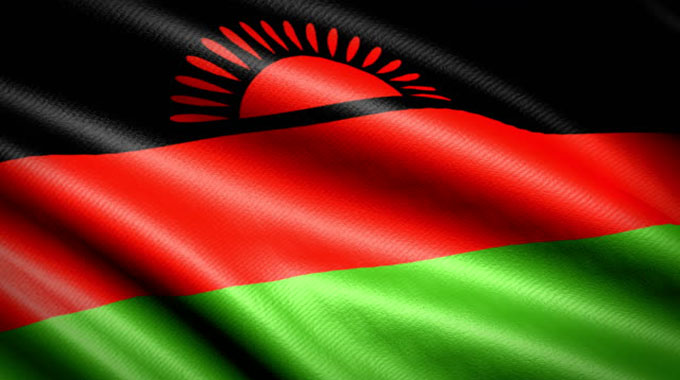
The Rhodesia Herald,
January 3, 1966
THE Malawi Prime Minister, Dr Banda, said yesterday his country would not sever diplomatic ties with Britain over Rhodesia.
He repeated that the responsibility for Rhodesia lay with Britain alone. Quoted today by Malawi radio, Dr Banda said that breaking off relations with Britain would not help Rhodesia’s Africans.
He was making an impromptu speech to members of the Malawi League of Women.
He added: “The Rhodesian problem is Britain’s and Britain’s alone can solve this problem.”
Dr Banda had earlier refused to comment on the organisation for African Unity resolution which called on member states to break off relations with London because of Britain’s handling of Rhodesian issue. Nine African States, including two Commonwealth countries, Ghana and Tanzania, have so far implemented the resolution. In his speech yesterday Dr Banda said no African state had an economy sufficient to finance a war or to recruit and raise an army against Rhodesia.
He added: “Those who talk about fighting Rhodesia know that they cannot, but just fight.”
He said those who said they could solve the Rhodesia problem knew that they were lying and only did so to gain cheap popularity in Africa. Dr Banda said some people thought they could bring certain powers to intervene in Rhodesia.
He declared: “I for one, do not want Central Africa to become the battleground between white imperialism from the East.
“If yellow and white imperialism want to fight it out, they must fight it outside Africa.”
LESSONS FOR TODAY
The conference of African Defence and Foreign Ministers then, decided that unless Britain crushed the “rebellion”, then all 36 members of the OAU, including nine Commonwealth members will sever diplomatic relations with Britain.
Dr Banda was against this drastic move, as he declared that Malawi would never sever relations with Britain over Rhodesia. Retrogressive though it was, he believed it was the responsibility of Britain to solve the Rhodesian issue.
The post-colonial era has resulted in the creation of the Southern African Development Community, which is chaired by regional leaders on a rotational basis. This has increased cohesion, although each country is still allowed to be a friend to all, and an enemy to none.
The SADC bloc is a major tool for regional integration and peace, where member states also promote inter and intra-trade. This developmental agenda has been more important at a time the world is fighting the corona virus pandemic.
The Organ on Defence, Peace and Security has also ensured that apart from cohesion, human rights are upheld by member states, and conflicts are dealt with through dialogue.
Natural disasters like Cyclone Idai have demonstrated that before the region seeks outside assistance, they should pull together their own resources, for, charity begins at home.



 Online Reporter