Online Reporter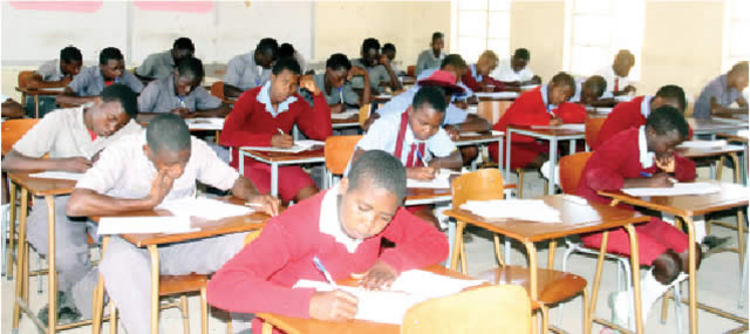
Gabriel Manyeruke
WHENEVER public examinations are underway, a troubling shadow often creeps into the minds of some candidates — malpractice.
From whispered answers to hidden notes and impersonation, cheating in the exam room has become a persistent challenge.
Yet many fail to realise that this behaviour not only jeopardises their own future but also undermines the credibility of entire examination boards.
The cost of cutting corners
Every examination board in the country condemns malpractice in the strongest terms.
The consequences are severe and far-reaching: disqualification from the paper, nullification of results and, in extreme cases, criminal charges.
These are not empty threats — they are real penalties that have shattered the dreams of many.
For teachers and parents who have invested time, effort and resources into a learner’s success, discovering that a child has been disqualified due to cheating is heartbreaking.
It is a betrayal of trust and a wasted opportunity.
Malpractice is never worth the risk.
Why do learners cheat?
The reasons behind exam malpractice are as varied as the candidates themselves.
Some act out of panic due to poor preparation.
Others feel immense pressure to meet expectations set by parents or teachers.
In some cases, external candidates impersonate registered learners, further complicating the issue.
But none of these reasons justifies dishonesty.
Exams are not just about marks — they are a measure of discipline, effort and integrity.
Rules are not suggestions
Candidates must treat every examination paper with the seriousness it deserves. That means adhering strictly to all the rules and regulations.
Mobile phones, unauthorised materials and any suspicious behaviour have no place in the exam room.
Invigilators are there to guide and protect the integrity of the process — listen to them.
No school is immune to malpractice.
However, vigilance, transparency and a culture of accountability can make all the difference.
When schools and learners work together to uphold standards, cheating becomes not just difficult, but unthinkable.
The ripple effect
It is not only the guilty candidate who suffers.
Honest learners may feel demoralised, teachers may be unfairly scrutinised and examination centres may lose credibility. One act of dishonesty can tarnish the reputation of an entire institution.
Subject teachers, who have walked with schoolchildren through months of preparation, often feel devastated when a learner is disqualified.
Parents, who have paid fees and offered support, are left disappointed.
The emotional toll is real — and avoidable.
Integrity begins with internal examinations
Learners must be educated on examination ethics long before they sit public exams.
Internal school tests should be treated with the same seriousness, cultivating habits of honesty and responsibility.
No one is clever enough to cheat their way through life — and certainly not through national examinations.
Character is the true certificate
In the end, it is better to fail with honour than to succeed through deceit.
A failed exam can be retaken.
A damaged reputation is far harder to rebuild. When public examinations are administered with vigilance and received with integrity, we nurture responsible global citizens — young people who understand that true success is built on truth.
So, to every candidate preparing for exams, I say never entertain thoughts of malpractice. Desist from cheating. Your future deserves better.
Until next time, all the best to all the candidates.
Gabriel Manyeruke is an author and educator at Wise Owl High School in Marondera. Contact details: 0774122288, [email protected]