


 admin
admin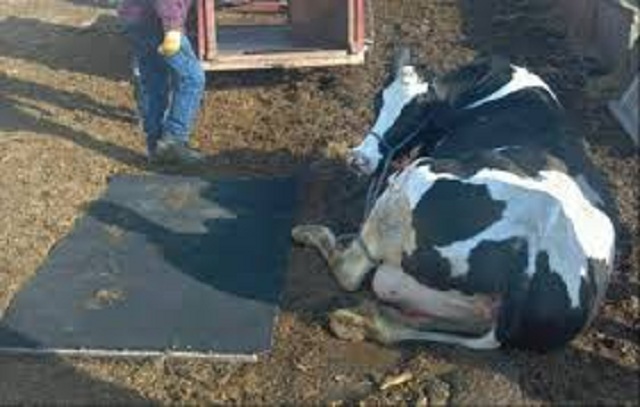

Mhlupheki Dube
ONCE in a while farmers are faced with a distressing situation of an animal that has just developed a fracture. This is usually stressful because firstly, it is difficult to handle and manage an animal that has developed a fracture and secondly the animal might have been in use for draught power or it could be lactating. In both cases the functions are disruptive and have grave results for an average smallholder farmer. This week we want to look at management of fractures so that farmers can take action if they are faced with the situation.
There are many different kinds of fractures classified based on the severity of the fracture, whether it communicates through the skin, the shape of the fracture line, or the anatomical location of the fracture within an individual bone. However we shall not belabor ourselves with that but how to deal with a fracture in your animal in general. It is also important to mention here that fractures are in majority of cases caused by poor and negligent handling of animals such as driving animals through steep slopes and gullies. In some cases your temperamental stockman may fracture the animal by hitting it with a rock or knobkerrie and you are unlikely to know this truth.
Firstly, you need to ascertain where exactly the fracture is on the leg and the age of the animal. Young animals tend to recover better and faster than the older ones. This is because calves grow rapidly and hence their bones tend to heal faster especially if the fracture is below the knee. However for adult cattle it is usually economic to slaughter the affected for both cutting your losses as well as an animal welfare issue. However circumstances may dictate that you treat and nurse the animal, for example if it’s a cow with a calf. Slaughtering the cow could present challenges in dealing with the orphaned calf especially it is still very young.
Sometimes farmers confuse lameness in an animal to a fractured bone furthermore it is not always easy to tell if a bone is broken or dislocated hence the need to consult your veterinary officer if you can. The first indication of disturbed bones is when an animal is limping and is trying as much as possible to avoid exerting weight on one particular leg. An assessment of the broken bone is then done by gently feeling the injured leg, which may have a significant amount of swelling and the ends may move easily. Sometimes you can also hear a grinding noise as the broken surfaces of bones touch each other. In extreme cases the bones may protrude out of the animal’s skin. Most of the time, the injured animal would rather lie down than be on a standing position.
Keep the injured animal in confined places where they won’t need to move a lot. As an emergency treatment for fractured bones sticking out of the skin, clean the wound thoroughly and try to arrange the leg so that the broken ends of the bone are touching each other in the right position. Use a splint or pieces of wood to hold the leg straight so the bones stay in position.
This is a method which most communal farmers are aware of as they often use what is called uhlaka to fix fractures in goats and their calves.
It is important to administer shots of anti-inflammation and a penicillin antibiotic, to help reduce inflammation and infection and speed recovery. However it may be important to replace or change adjustments especially in growth animals so that wood casting does not constrain growth. This may also give you an opportunity to see if the healing is taking place in the right manner. There is a better chance of healing when a fracture is secured at a joint above and below it. It is only possible to put a splint on broken bones from below the knee. When the fracture is above the knee or when a large animal fractures one of its long bones, it is wise to slaughter it.
Also when your bull fractures just slaughter it because mounting will become difficult and this will impact on your breeding.



 Online Reporter
 derick.khumalo