Chronicle Editor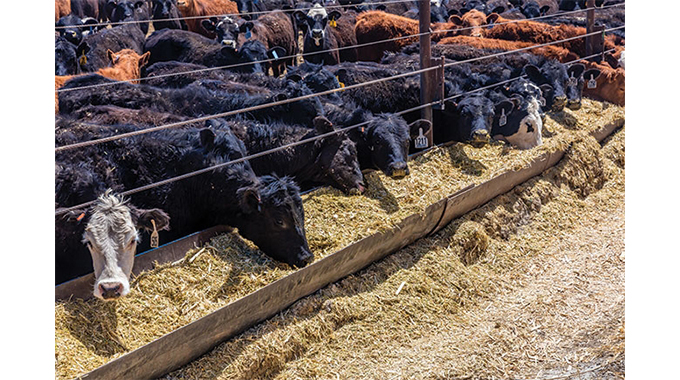
Mhlupheki Dube
WE are in October, perhaps the driest and hottest month of the year especially in agro-ecological Region Five.
This is the most trying month of the year as the veld is at its least productive state and water bodies are drying up and animal conditions deteriorating very fast.
This is the time when supplementing becomes prime and the financial burden heavier on livestock farmers. This is also the time which differentiates between livestock keepers and livestock farmers. Keepers will watch and pray that the animals can make through the dry season, while livestock farmers will go all out to ensure that all management practices are in place to allow for the animals to maintain the minimum required body condition score for them to go into breeding.
It is the time that separates boys from men as it relates to livestock production. Admittedly as livestock farmers we are producing under very different conditions regarding climate hostility and land holding. Some farmers are in less hostile areas which means they have abundant grass and drinking water throughout the year.
Some farmers have very small grazing lands which are not able to carry the animals throughout the year. Be that as it may, dry season livestock management is a very important component of animal husbandry and every livestock farmer will do well to master its ins and outs.
This is precisely because a proper dry season management strategy will set you well apart from livestock keepers and define you as a livestock producer because your animals will always maintain a decent body condition score and will go into breeding when you want them to.
Dry season livestock management, is principally a nutrition management strategy as there is usually very little diseases and pests to talk about during this season. It is a time of your mineral supplementation, protein and energy provision as well as roughage provision. You need enough roughage from your hay and even your silage as well as mineral and protein blocks to provide for your animals.
This may appear and sound expensive but it will never be more expensive than the calf you will receive every year. In simple terms your dry season management objective should be to manage for reproduction rather than simply helping your animals to cross the nutritional dry patch of the year.
To help us learn more on dry season management of cattle, my livestock farming colleague, a renowned commercial Simmental stud breeder and president of the Simmental Breed Society, Mr Obert Chinhamo, will this year hold a field day at his Biano Simmentals Farm.
The field day which will be held on 11 October will be aimed at showcasing what properly managed animals should look like during the dry season, if they are to go into breeding. It will be a learning field day that will obviously help a lot of livestock farmers on what really is involved in proper dry season livestock management, what preparations livestock farmers need to do to prepare for the dry season.
I wish to thank the respected farmer for making such a bold decision to share his experiences with the livestock farming community.
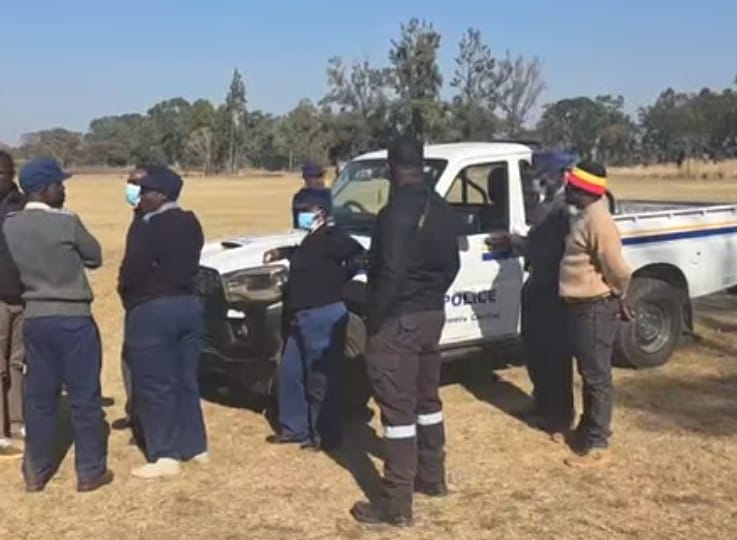
Our instalment will certainly not end before we take the opportunity to appreciate our Zimbabwe Republic Police (ZRP) for the operation they carried out to clean the Shanyaugwe mess that has been grabbing the headlines.
As a livestock farming community we would like to appreciate the effort made by our police and hope that such operations will be held regularly so that the Shanyaugwe thieves and their compatriots will not find breathing space to regroup and re-strategise.
It is important to note that this is a community that has been surviving on stock theft for generations and hence they are not about to drop their livelihood means on the basis of a single raid. In fact stories in the media indicate that our neighbouring country, Botswana has put together a commission to investigate stock theft issues in areas around the Tuli-Shashe area.
This is obviously the fruits of the Shanyaugwe thieves that are now involved in international stock theft enterprise, bringing shame to our country.
Uyabonga umntakaMaKhumalo.
Mhlupheki Dube is a livestock specialist and farmer. He writes in his own capacity. Feedback [email protected]
Cell: 0772851275


 Online Reporter