Pauline T Nenerai, [email protected]
Let’s be honest, ladies: life keeps coming.
Bills, children, work deadlines, family expectations, traffic in Bulawayo, and WhatsApp groups that never seem to sleep. Every day brings a new demand on your time, energy and emotions. A little stress is a normal part of life and, in many cases, it can even motivate us to get things done. However, when stress lingers for weeks or months without relief, it begins to affect both the body and the mind in ways we cannot afford to ignore.
Persistent stress, if left unmanaged, often shows up physically through constant fatigue, irritability, difficulty concentrating, sleep disturbances, headaches and muscle tension. Emotionally, it can leave you feeling overwhelmed, anxious, discouraged and, in some cases, depressed. Many women become so accustomed to carrying heavy burdens that they stop recognising the warning signs their bodies are sending them.
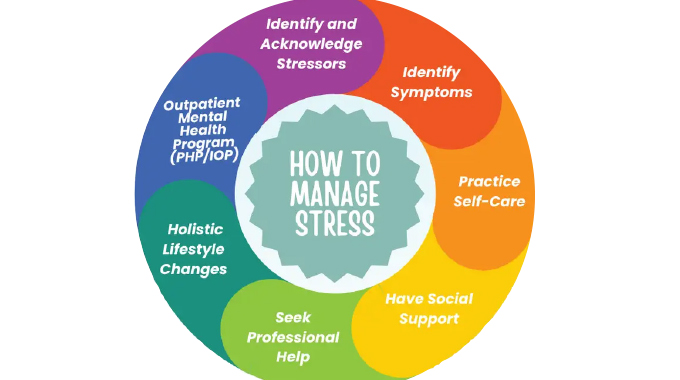
The good news is that stress is manageable. While we may not always be able to remove the cause immediately, we can learn healthy ways to reduce its impact and strengthen our ability to cope. Managing stress effectively requires us to address both the source of the pressure and the way it affects our thoughts, emotions and bodies.
Name what is stressing you
The first step in managing stress is identifying exactly what is causing it. Stress often feels overwhelming because it appears as one large cloud hanging over us. When we take the time to name specific stressors, the situation usually becomes more manageable.
Some stressors are within our control. An overwhelming workload, poor time management, overcommitting ourselves, or a poorly organised schedule can often be adjusted through planning and better boundaries. Sometimes simply writing down everything that demands our attention helps us see what can be delegated, postponed or eliminated.
Other stressors cannot be changed overnight. Caring for an ill relative, grief, relationship challenges, unemployment or financial pressure may remain present for some time. In these situations, the goal is not necessarily to remove the problem immediately but to develop healthier ways of coping with it.
One useful strategy is to break large problems into smaller, practical steps. For example, “Pay school fees” may feel impossible and leave you paralysed with worry. However, “Call the school, ask about a payment plan, and budget R200 this week” feels more attainable. Small, realistic actions create a sense of progress and reduce feelings of helplessness. Every small victory reminds you that you are moving forward, even when the journey feels difficult.
Protect your body, it carries your stress
Your body is not separate from your mind. When stress settles into your life, it affects your entire system. That is why looking after your physical health is an essential part of managing emotional well-being.
Move: Regular physical activity remains one of the most effective stress-management tools available. You do not need an expensive gym membership to benefit. A brisk 20-minute walk around your neighbourhood, dancing to your favourite music, or light stretching at home can help lower stress hormones and improve mood. Exercise also increases the release of endorphins, which are the body’s natural feel-good chemicals.
Eat and hydrate: During stressful periods, many people either overeat or skip meals altogether. Neither approach helps.
Balanced meals containing fruits, vegetables, protein and whole grains help stabilise energy levels throughout the day. Drinking enough water is equally important, as dehydration can worsen fatigue and difficulty concentrating.
Sleep: Sleep is often the first casualty of stress. Worry keeps us awake, and exhaustion makes us more vulnerable to worry. Aim for seven to eight hours of quality sleep each night. A consistent bedtime routine, reduced screen time before bed and a calm sleeping environment can make a significant difference.
Cut back: Alcohol, smoking and excessive caffeine may seem to offer temporary relief, but they can increase anxiety and physical tension over time. What feels like relaxation in the moment often leaves the body under greater strain later.
When we care for our bodies, we build the physical foundation needed to cope with life’s challenges more effectively.
Calm your nervous system
Many women spend much of the day in “survival mode”, constantly responding to responsibilities and demands. Over time, this can keep the nervous system in a heightened state of alertness.
That is why it is important to develop daily practices that help your body and mind slow down and recover.
Simple deep-breathing exercises can be remarkably effective. Taking two minutes to breathe slowly and intentionally before responding to a stressful email, difficult conversation or family disagreement can help prevent reactive decisions.
Other helpful techniques include progressive muscle relaxation, mindfulness, meditation and prayer. These practices create space between a stressful event and your response, allowing you to regain a sense of calm and control.
It is also important to make room for activities that bring genuine joy. Spending time outdoors, gardening, listening to gospel music, crocheting, reading, cooking a new recipe or engaging in creative hobbies can refresh the mind and restore emotional energy.
Too often, women place their own needs at the bottom of the list. Yet hobbies are not selfish, nor are they a luxury reserved for people with excess time. They are a form of emotional nourishment. Simply put, hobbies are mental medicine.
Don’t do life alone
One of the greatest mistakes people make during stressful seasons is isolating themselves. Stress convinces us that we must carry everything on our own, but human beings were never designed to live that way.
Talk to someone you trust. This could be a sister, close friend, colleague, spouse, mentor or church elder. Sharing your concerns with another person not only lightens the emotional burden but can also provide fresh insight and practical solutions.
Research consistently shows that strong social connections act as a buffer against chronic stress. When we feel supported and understood, life’s difficulties become easier to navigate.
Learning to establish healthy boundaries is equally important. Many women feel obligated to say yes to every request because they fear disappointing others. However, constantly overextending yourself is a fast track to burnout.
Remember that it is acceptable to say “no” without guilt. It is acceptable to protect your time and energy. Assertive communication can help you express your limits respectfully. For example: “I care about this, and I can do X by Friday.” Such responses demonstrate commitment while maintaining realistic expectations.
Tackle stress at its source
While self-care is important, some situations require practical action.
At work: Prioritise your tasks, create realistic schedules and take genuine breaks rather than working continuously. If possible, discuss workload concerns with your supervisor. Many workplace problems improve when expectations and responsibilities are clarified.
At home: Relationship conflicts and financial pressures are among the most common causes of ongoing stress. Seeking practical advice, financial guidance or professional counselling can make a meaningful difference. Many churches, community organisations and non-governmental organisations offer free or affordable support services for individuals and families.
Addressing problems directly may feel uncomfortable initially, but it often prevents stress from becoming a long-term burden.
Know when to get professional help
There are times when stress becomes more than something you can manage on your own.
If stress persists for several weeks, interferes with your work, parenting responsibilities or daily functioning, or is accompanied by persistent sadness, panic attacks, hopelessness or thoughts of self-harm, please seek professional assistance.
A qualified counsellor, psychologist or psychiatrist can help you understand what you are experiencing and provide effective treatment and coping strategies. Seeking help is not a sign of weakness. It is a sign of wisdom and courage.
Early intervention can prevent stress-related difficulties from developing into more serious mental or physical health conditions.
Ladies, managing persistent stress is not a one-time fix
It is an ongoing practice that requires patience, awareness and consistency. There will be seasons when life feels heavier than usual, but small daily habits, supportive relationships and professional help when necessary can strengthen your resilience and improve your quality of life.
You are allowed to rest. You are allowed to ask for help. You are allowed to protect your peace.
Your well-being matters — not only for your own sake, but also for the family, friends, colleagues and community who depend on your strength, wisdom and light. By caring for yourself, you are better equipped to care for others.
*Pauline T Nenerai is a registered counselling psychologist.