Chronicle Editor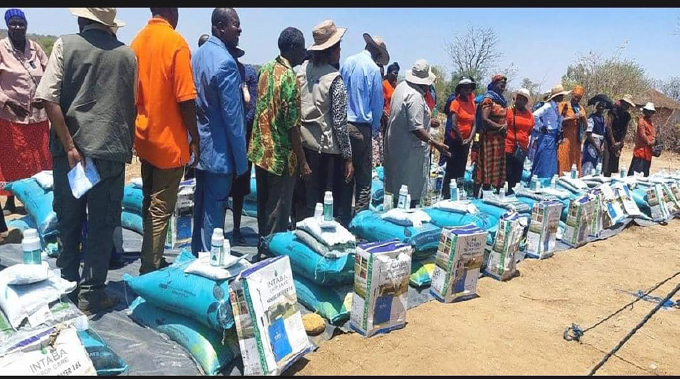
Faith Ndlovu, Sunday News Reporter
MANGWE District in Matabeleland South Province has taken a notable step towards enhancing food security and the livelihoods of its residents through sustainable agriculture practices by launching the Intwasa/Pfumvudza programme.
Over 3.5 million households nationwide have benefitted under the Pfumvudza/Intwasa Programme this summer cropping season, with prospects high for a good harvest after predictions of normal to above normal rains.
The early distribution of inputs, coupled with favourable weather forecasts has created an environment conducive to increased agricultural productivity.
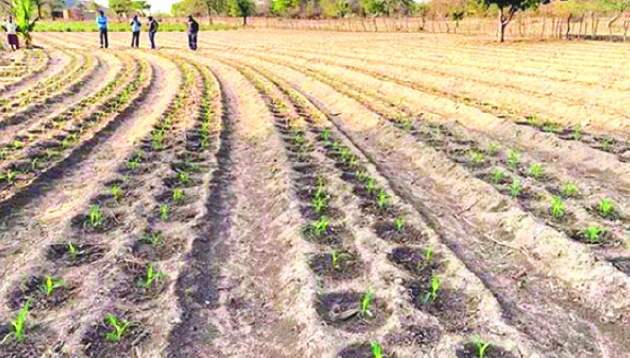
Mangwe District is generally dry but farmers say with the Intwasa method there is hope of a bumper harvest, as it re-imagined minimal land tillage to conserve soil fertility and moisture with the soil.
Mangwe District Agricultural Extension Officer, Mr Moffat Ncube urged local farmers to prioritise traditional grains, oil seeds and fodder to ensure a sustainable and prosperous agricultural sector.
“By embracing Intwasa, farmers can break the cycle of poverty, ensure sustainable food production and contribute to Zimbabwe’s economic growth and development.
“Pfumvudza or Intwasa is not just a programme but a holistic approach to sustainable agriculture, empowering communities to take charge of their livelihoods and environmental stewardship,” he said.
Mr Ncube added that Intwasa addresses critical challenges through a holistic approach, reducing food insecurity, promoting development, combating land degradation and retaining moisture.
By implementing conversation practices and works, he said Intwasa enhances crop yields, income and market access, fostering economic growth, job creation and environmental protection, ensuring a sustainable future.
Mangwe District Development Co-ordinator, Ms Rorisang Khurane applauded the farmers and district stakeholders for the successful implementation of Intwasa and took the opportunity to reiterate the importance of small grains.
“Traditional grains produce more yields and even health benefits thus, let’s minimise planting small grains like sunflower, maize, millet and sorghum and follow instructions from the extension officers religiously,” she said.
Ms Khurane added that the Government has been on a nationwide effort to engage farmers to take up the Intwasa programme, realising the devastating effects of climate change on agriculture.
“If Intwasa was to be adopted, hunger would be suppressed,” she said.



 Online Reporter