Nqobile Bhebhe in Mvuma
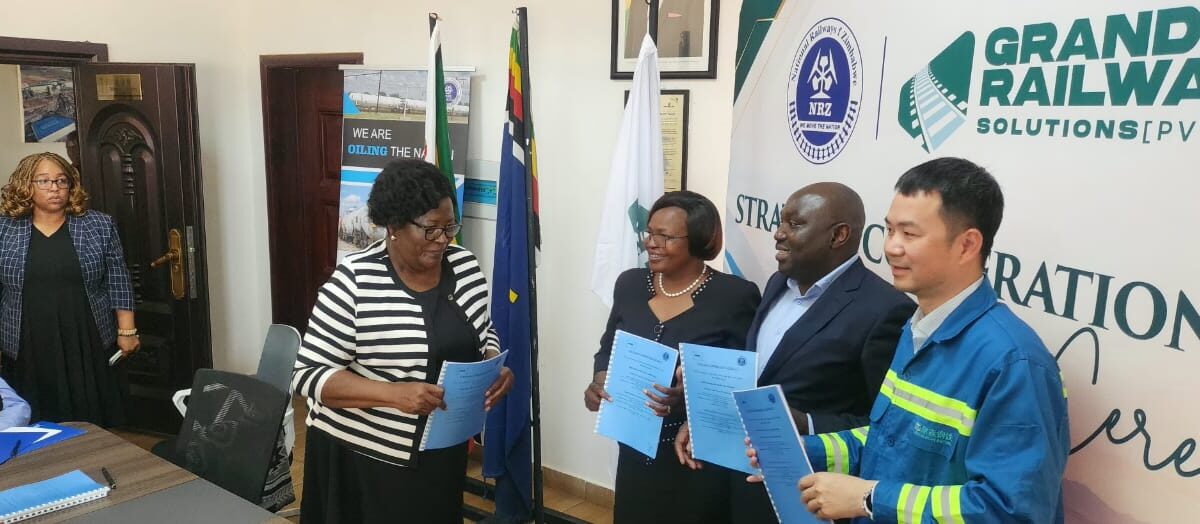
The strategic rail partnership between Dinson Iron and Steel Company (Disco), Grand Railway Solutions (GRS) and the National Railways of Zimbabwe (NRZ) is set to strengthen bulk freight movement and support the integration of Zimbabwe’s steel, mining and industrial value chains.
The partnership involves construction of a new railway line serving the Manhize steel plant and upgrading existing infrastructure to accommodate rising freight volumes generated by the industrial project.
GRS director Mr Linos Masimura told Zimpapers Business Hub that the company, which is part of the Dinson Group, was financing and undertaking construction of the new railway line in partnership with Disco.
“The initial budget for the approximately 54km line was about US$125 million, with the final cost expected to be determined as construction progresses.
“So, we are going to do it, then we will see the final cost as we move, but the budget is around that,” he said.
Mr Masimura said NRZ would provide the existing railway infrastructure, regulatory framework and access to its network, while GRS would provide the rolling stock required to move bulk cargo.
The immediate objective is to establish a reliable freight corridor between Hwange and Manhize, ensuring the steel plant has access to critical raw materials while creating an efficient route for finished products.
He said coal and coke would be transported from Hwange to Manhize, while finished steel would be moved to domestic and international markets.
“The ultimate aim is to have enough rolling stock to move coal, coke, steel and other minerals,” he said.
The partnership will also address capacity constraints on the existing network, particularly the Mvuma-Gweru section.
“The project will also involve upgrading the Mvuma-Gweru section, which currently has limited capacity, to ensure it can handle increased freight generated by the Manhize project and other customers,” he said.
The development positions Manhize as a major anchor customer for NRZ while creating additional capacity for mining and industrial freight, supporting the revival of rail as a key enabler of Zimbabwe’s industrialisation drive.
Ends