Online Reporter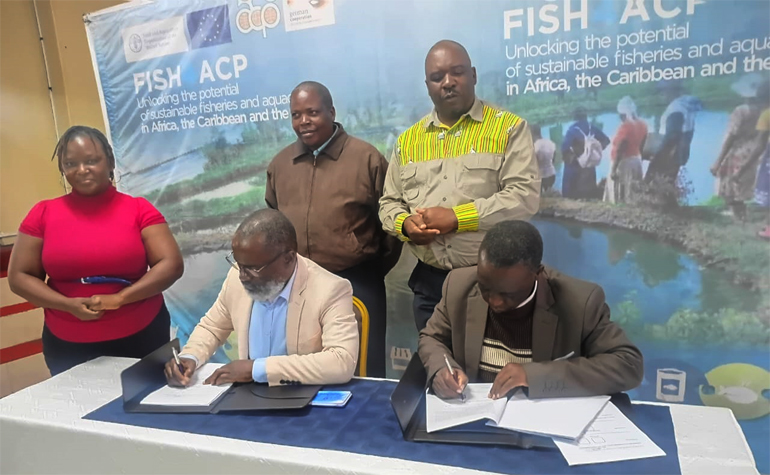
Lovemore Kadzura
Post Reporter
IN a major breakthrough for Zimbabwe’s aquaculture industry, the Government has partnered with the private sector to establish Manicaland Province’s first dedicated fish cold chain facility, a development expected to transform farmed tilapia production and secure markets for more than 2 000 farmers.
The facility, to be established in Odzi, Mutare District, will serve as the main off-taker of fish produced across the province, addressing longstanding challenges related to storage, transportation and market access.
Manicaland is Zimbabwe’s leading producer of farmed tilapia, accounting for about 40 percent of national output.
However, the absence of coordinated logistics and cold storage infrastructure has forced many producers, particularly small-scale farmers, to sell their fish at reduced prices or incur post-harvest losses.
The new initiative follows a joint venture agreement facilitated by the Government, the Food and Agriculture Organisation (FAO) and Aquaculture Zimbabwe under the Fish for Africa, Caribbean and Pacific (FISH4ACP) programme.
The agreement, signed in Mutare on Wednesday, brings together the Zimbabwe Fish Producers Association and private sector player, Molus Meats, which will provide a guaranteed market for fish farmers across the province.
Speaking during the signing ceremony, the Ministry of Lands, Agriculture, Fisheries, Water and Rural Development’s fisheries specialist and Government focal person for the FISH4ACP programme, Ms Irene Chihanga, said the project represented a significant milestone for the aquaculture sector.
“We are excited to witness the signing of this joint venture agreement between the Zimbabwe Fish Producers Association and Molus Meats towards the establishment of a fish cold chain facility in Manicaland Province.
“Manicaland remains the hub of aquaculture production in Zimbabwe. Nationally, we produce about 8 211 metric tonnes of farmed tilapia annually, with the province contributing around 40 percent of that volume, particularly from Mutasa, Chipinge and Chimanimani districts.
“Studies conducted by the ministry identified market access and post-harvest losses as some of the major challenges affecting fish farmers. Through the FISH4ACP programme, we are addressing those gaps. The cold chain facility will ensure farmers have reliable storage and easier access to markets, allowing them to expand production with confidence,” she said.
Ms Chihanga said the project will significantly reduce losses associated with inadequate refrigeration and transport, while improving profitability for fish farmers.
Zimbabwe Fish Producers Association vice-chairman, Mr Sokonia Kaitano, described the development as a game-changer for smallholder producers.
“For years, farmers have been raising concerns about the absence of formal and reliable markets. Most producers were forced to sell within their local communities at very low prices because they had no means to preserve their fish for long periods.
“With a guaranteed off-taker now in place, production is expected to increase. Farmers can finally focus on growing their businesses, forming clusters and supplying larger volumes to the market.”
Molus Meats managing director, Mr Moses Mwagura, said demand for fish in Manicaland far exceeds the current supply.
“The market for fish in Mutare and the wider Manicaland Province is enormous. We have been exploring ways of working with the many small-scale producers spread across the province.
“Under this arrangement, we will purchase fish from producers and store it in the cold chain facility. Fish has always been the missing product in our butchery outlets, where we already sell beef, chicken, goat and mutton. Farmers can now increase production knowing there is a stable and competitive market ready to absorb their output,” he said.
FAO’s FISH4ACP coordinator, Mr Paul Mwera, said the organisation will support the project through the provision of critical cold storage infrastructure, including chest freezers and walk-in cold rooms at the Manica Cold Chain facility.
Aquaculture Zimbabwe director, Mr Garikaimose Tongoona, said the organisation will continue supporting fish farmers through market linkages and access to funding opportunities.
“Our role is to ensure producers remain connected to markets, financiers and technical support services so that the aquaculture sector continues to grow sustainably,” he said.