Online Reporter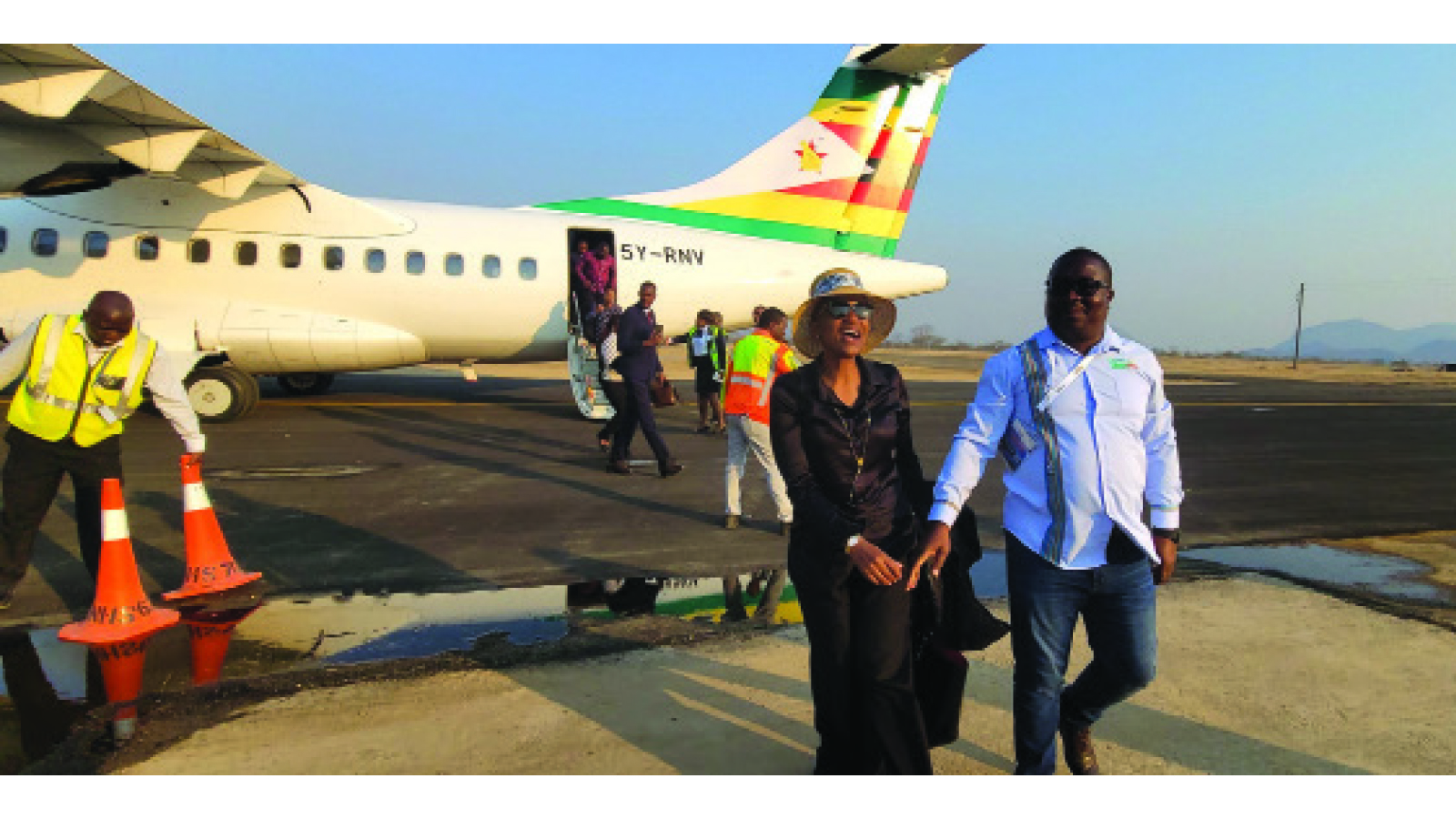
Gibson Mhaka
Zimpapers Politics Hub
PRESIDENT Mnangagwa’s devolution policy and his mantra of leaving no one and no place behind are no longer mere rhetoric, but a tangible reality as witnessed in Manicaland Province, which is on the cusp of a transformative moment.
The successful hosting of the Sanganai/Hlanganani/Kumbanayi World Tourism Expo last week left a lasting infrastructural footprint, with authorities and tourism players confident that new investments have transformed Manicaland into one of the country’s leading tourism destinations. Following the expo, the province is set to host another powerful catalyst for economic development, the 22nd Zanu PF Annual People’s Conference in October.
Beyond the immediate economic returns, these two signature events are being held in line with the Second Republic’s devolution and inclusivity strategy.
The hosting of the expo in Manicaland was aligned to President Mnangagwa’s policy of rotating national events to all 10 provinces.
This strategy ensures that no one and no place is left behind in the country’s development.
The successful hosting of the Sanganai/Hlanganani/Kumbanayi World Tourism Expo has already transformed Manicaland.
Ahead of the expo, a series of strategic infrastructure upgrades were undertaken to prepare the province for both local and international visitors.
At the Grand Reef Aerodrome, the runway was refurbished, the passenger terminal was upgraded, and improved navigational systems were installed to safely accommodate the return of regular flights from Harare.
Roads leading to the aerodrome were also rehabilitated to facilitate smooth access.
The host venue, Mutare Sports Club, which belongs to the Mutare City Council, underwent significant refurbishment and its pavilions, exhibition areas, landscaping, and access roads were upgraded to meet international standards.
The venue was transformed into an international exhibition centre capable of hosting large-scale events, leaving a lasting legacy for the city.
The National Railways of Zimbabwe (NRZ) also resuscitated the Harare-Mutare passenger train that had long been out of service.
These upgrades were part of a broader plan to strengthen transport and tourism infrastructure across the province.
Minister of Tourism and Hospitality Industry, Barbara Rwodzi, said these developments enhanced connectivity, created lasting tourism infrastructure, and provided a strong foundation for sustained economic growth in the province.
“The infrastructural upgrades were a game-changer for the province’s tourism growth.
“With the introduction of the 30-minute flight from Harare to Mutare, local and international visitors can now access and experience the Eastern Highlands with ease,” she said.
“The flight also connects Mutare with Victoria Falls, making it easier for our tourists to connect to and from here.
“At the same time, the revival of the passenger train along the Harare-Mutare route ensures that tourists and locals alike have more travel options.
“Air Zimbabwe and NRZ are currently providing reliable transport for anyone wishing to travel to Manicaland. These developments are a great addition to our tourism economy,” said Minister Rwodzi.
While the expo attracted 84 companies, 450 exhibitors, and buyers from 23 countries, the upcoming Zanu PF People’s Conference is set to host about 3 000 delegates.
The arrival of thousands of guests, exhibitors, and party supporters will undoubtedly place pressure on local systems, but it is poised to serve as yet another catalyst for further infrastructure development.
Expressing optimism about the province’s readiness to host the esteemed conference, Zanu PF Manicaland Provincial Spokesperson, Cde Phillip Guyo, said that hosting an event of this magnitude often catalyses vital infrastructure development, including key upgrades to roads, venue refurbishment, telecommunications, security, and other essential amenities.
“The selection of Manicaland as the host province for our great revolutionary party’s most significant annual gathering is a testament to our province’s unity, hospitality, and unwavering commitment to the party and its leadership.
“This is a moment of immense pride and celebration for every resident of Manicaland,” said Cde Guyo.
“We anticipate that the conference will bring about lasting improvements in areas such as roads, telecommunications, and venue facilities, leaving a positive legacy for our communities.”
He added that the conference is also expected to provide a significant boost to the local economy, with hotels, guesthouses, small businesses, vendors, and transport operators all set to benefit from the considerable economic activity generated by the event.
“This event will also provide an opportunity to showcase the province’s rich cultural heritage and agricultural prowess.
“The conference offers a unique platform to demonstrate our distinct attributes to leaders and delegates from across the nation, potentially attracting future investment and tourism,” Cde Guyo added.
“I extend our heartfelt gratitude to the party leadership for entrusting us with this profound responsibility.
“I assure all delegates and visitors that Manicaland is ready to provide a warm welcome, facilitate a successful and productive conference.
“We look forward to demonstrating our capacity as a province and contributing meaningfully to the advancement of our party and nation.”
This double boost in hosting major national events demonstrates how the devolution policy is bringing tangible economic and infrastructural benefits to Manicaland, solidifying its place as a key player in the nation’s developmental agenda.
This strategy of rotating national events to different provinces is a powerful demonstration of the Government’s commitment to the devolution policy, ensuring that development is not confined to major cities.
The infrastructure upgrades initiated for these events are not temporary, but rather serve as a lasting legacy, directly benefiting the hosting province long after the event has concluded.
For instance, the improvements to roads, airports, and public facilities for events like the Sanganai/Hlanganani Expo and the Zanu PF Conference become permanent assets that enhance connectivity, boost local economies, and improve the quality of life for residents.
This approach addresses historical imbalances and ensures that every corner of the country receives a share of national resources and attention.
The devolution policy’s impact is particularly significant for rural and regional areas, where such investments are a lifeline.
The projects in Manicaland, for example, directly address key developmental needs, creating employment opportunities and stimulating local businesses.
By focusing on essential infrastructure, the Government is not just preparing for a single event but is laying the groundwork for sustainable growth.
The revitalisation of the Harare-Mutare train route and the Grand Reef Aerodrome are examples of projects that will continue to benefit the province’s economy by facilitating tourism, trade, and accessibility for years to come.
These initiatives prove that devolution is a practical tool for empowering provinces and fostering a more equitable national development model.