Chronicle Editor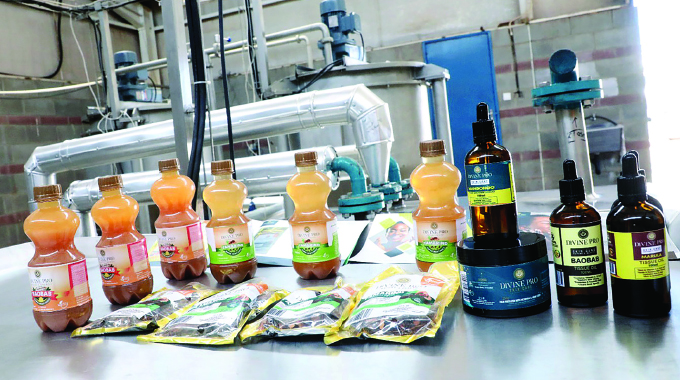
Harare Bureau
ZIMBABWE’S volume of manufacturing index (VMI) increased to 135,25 in the second quarter this year, from 113,65 in the same period last year, data from the Zimbabwe National Statistics Agency (ZimStat) shows, with analysts saying this implies that productivity in the local manufacturing sector is on a positive growth trajectory.
VMI, the agency said, is an economic indicator showing relative changes in the volume of output in the manufacturing sector over time, in relation to a given reference period.
A positive VMI suggests that the manufacturing sector is producing more goods, which can have positive implications on the economy such as economic growth, job creation, increased exports and improved standards of living.
“The VMI for the second quarter of 2024 was 135,25, reflecting a year-on-year percentage increase of 19 points when compared to 113,65 recorded in the second quarter of 2023,” said the agency.
On the indices for the manufacturing sub-sector, ZimStat said, the foodstuffs sub-sector, during the period under review, gained 2,32 percentage points to settle at 116,25 compared to 113,55 for the second quarter in 2023.
The drinks, beverages and tobacco sub-sector was at 191,39 in the second quarter this year, from 131,51 achieved in the corresponding period in 2023.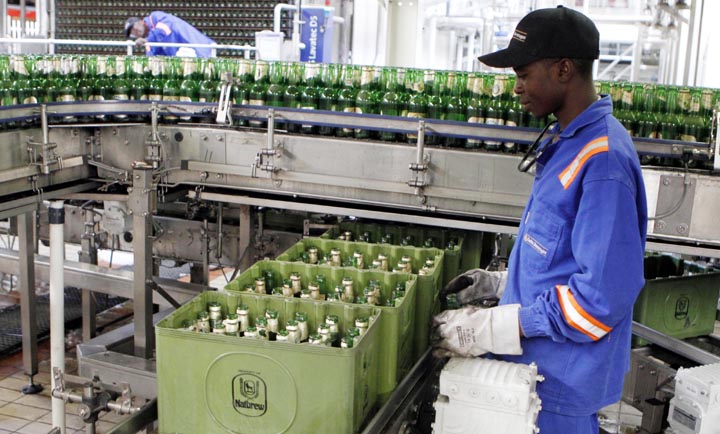
“The textile and ginning sub-sector recorded an output index of 60,31 in the second quarter of 2024 compared to 55,67 in the second quarter of 2023, resulting in a year-on-year percentage increase of 8,33 percentage points.”
Clothing and footwear achieved an increase in output index of 122,83 during the second quarter of this year, against last year’s 119,12 in the corresponding period.
The paper, printing and packaging sub-sector’s output index of 39, as at the end of the second quarter of 2024, was 81,03 percent, down from the 205,63 in last year’s second quarter.
ZimStat said the chemical and petroleum products sub-sector increased by 90,33 percentage points to 99,39 in the second quarter this year.
In the second quarter last year, the sub-sector registered an output index of 52,22 while the non-metallic products sub-sector had 128,4 before improving to 164,92 in the comparable quarter this year.
The transport and equipment sub-sector recorded an output index of 54,74 in the second quarter of this year, reflecting a 51,52 percent decrease from the 2023 second quarter rate of 112,83.
In an interview, economic analyst Ms Wendy Mpofu said: “The surge in the country’s VMI in the second quarter of this year compared to the same period in 2023 is indicative of a growing output in the manufacturing sector. In other words, it means most of the products in the market are now being produced locally and this bears positive impact on the economy.
“For instance, as you might be aware, the manufacturing industry is one of the major sectors of the economy; therefore, improved output from the sector entails economic growth and stimulation of economic activity with a knock-on positive impact on job creation.”
The growth in the manufacturing industry’s output also entails increased capacity utilisation within the sector.

In a separate interview, another economic analyst, Ms Mercy Shumba, echoed similar sentiments, but indicated that a decrease in VMI for paper, packaging and printing; and the transport and transport equipment sub-sectors over the period under review can be attributed to a number of factors.
“While the country’s overall VMI over the period under review, as highlighted by ZimStat, is indicative of a growing economy, two sub-sectors (paper, printing and packaging; and transport and transport equipment) registered declines in their VMI. This can be attributed to several factors such as rising costs of goods and economic uncertainty.
“Consumers of products in those sub-sectors, because of economic uncertainty, may have been forced to rethink on their expenditure when it comes to the consumption of products from those sub-sectors.
“Fluctuations in the cost and availability of raw materials can also negatively impact the growth of the paper, printing and packaging industry, as well as the transport and transport equipment sub-sector,” she said.



 Online Reporter