

 admin
admin
Perspective Stephen Mpofu
WILL 2015 mark a point of departure in unimpeded social and economic transformation for this nation, or will Zimbabweans stumble through life, stalked by foreign detractors and their local surrogates anchored by renegade sections of the media which don’t seem to realise in which country they belong in order to protect it against all adversity?
By and large the year just ended was remarkable in the sense that the unmitigated patriotism and the unflinching intrepidity of many Zimbabweans did rendezvous with the grace of God to keep the country intact against a background of opposition forces that apparently worked to the gallery of Zimbabwe’s external enemies to try to divide and weaken us so that the enemy’s Trojan horses eager to move in and reverse the gains of independence might succeed in their nefarious objective.
The same never-die spirit of purposeful unity should enable Zimbabweans to cross the many rivers ahead and to scale as many Mount Everests’ to touch the summits of the blueprint before this nation – the Zimbabwe Agenda for Sustainable Social and Economic Transformation.
However, the road to achieving those goals is littered with obstacles planted both by foreigners and by ourselves.
The former is responsible for illegal Western sanctions that continue to bedevil the economy with company closures and losses of jobs for thousands of workers now trudging the streets or engaging in some mundane business activity to feed their families.
Be that as it may, do you (yes, you reader and others) know that Zimbabwe has been rated among the most corrupt countries in the world with the foreign press busily propelling that infamous reputation worldwide in the dying days of the year just ended?
Those Zimbabweans who keep an alert ear to the ground will confess to that ugly label being pinned to the back of this nation with obvious negative repercussions to an economy already limping badly due to the embargo which has frozen most channels of direct foreign capital infusions to keep the economy vibrant.
One response to the above scenario has already been offered with some Zimbabweans accusing media “organised” by Zimbabwe’s enemy as a weapon to sally the country as economic sanctions appear slowly to fall apart with some countries in Europe warming up with aid to join our all-weather friends in the East in reviving the stalled economic development.
That response will be seen by many as being rather escapist as things on the ground would appear to suggest that Zimbabweans act resolutely to deal with any unorthodox business dealings, however negligible, that open them up to charges of corruption often blown out of proportion by the country’s traditional nemesis abroad to justify their wielding an axe against this nation.
Impassioned calls by the government for direct foreign investment to resuscitate the economy through partnerships, for instance, is one important way of doing viable business between local and foreign companies.
But there can never ever be any partnership between foreign capital and corruption, and one typical example in a neighbouring country will amply illustrate this point. Malawi’s economy is in dire straights after Britain, that country’s former colonial power, slammed the door to any further aid there.
This was in retaliation to corruption in which officials in the government of former President Joyce Banda reportedly helped themselves to millions of British pounds given to that country as aid.
Further away in East Africa, the President of Tanzania is said to be on a collision course with Parliament there when it resumes sitting this month after he dismissed one minister for corruption instead of three officials as recommended by parliamentarians.
Who knows, the corruption scandal might cause other donors to suspend financial assistance unless their money is guaranteed safety as it were.
This pen suggests that corruption is an evil spirit and that only the citizens of a country where it romps unscathed can exorcise it to keep the name of their country clean and attractive to potential investors.
Zimbabwe has rich mineral deposits and huge infusions of foreign capital will help unlock the exploitation of those natural endowments, creating employment as well as much needed foreign earnings in exports to boost the economy and improve people’s lives.
In retrospect, Zimbabweans might wish to declare 2015 a year of zero tolerance against corruption, but the campaign against that evil spirit will only succeed if potential offenders are made to realise that corruption does not pay.
Which means that verbal denunciation of corrupt practices will not by itself succeed in rooting out the practice.
Those caught in the act, whatever their social station in life, must suffer, and be seen by all to suffer, the consequences of their act.
Once Zimbabwe is seen to keep a clean record in its dealings with investors, money will start flowing in, like the Zambezi, and factories that have been shut will open, gas deposits in Lupane will be exploited along with investments in other areas of the economy, putting Zimbabwe on a bold path of economic and social prosperity.


 Online Reporter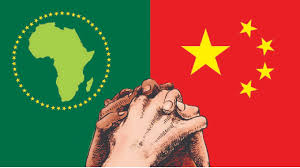
 Bongani Ndlovu