Sunday News Reporter
WHEN President Mnangagwa announced that the hosting of all national events would be decentralised from Harare to districts across the country’s 10 administrative provinces, very few people considered what this would entail.
Although he made it clear that the move fulfilled the concept of devolution provided for in the Constitution, some thought it was simply a departure from the previous Government’s way of doing things and would bring little development.
Following the announcement, Independence Day celebrations were decentred from Harare.
In 2022, they were held in Bulawayo; in 2023, Mt Darwin District in Mashonaland Central Province hosted the celebrations and in 2024, Buhera District in Manicaland Province was chosen. In 2025, Gokwe District in the Midlands Province had the honour of hosting the commemorations.
This year, attention shifted to Matobo District in Matabeleland South Province, with Maphisa as the venue.
One could be forgiven for arguing that, although development took place in other districts that hosted the celebrations, the projects completed in Maphisa were more pronounced than those elsewhere.
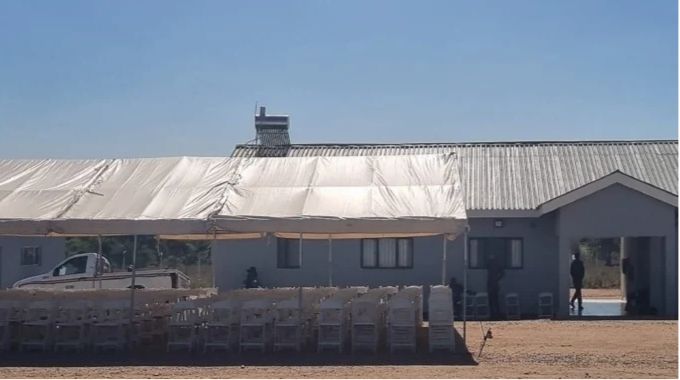
It would appear that the Government has been refining its development machinery and making it more efficient and Matobo District became the beneficiary of a more refined development process.
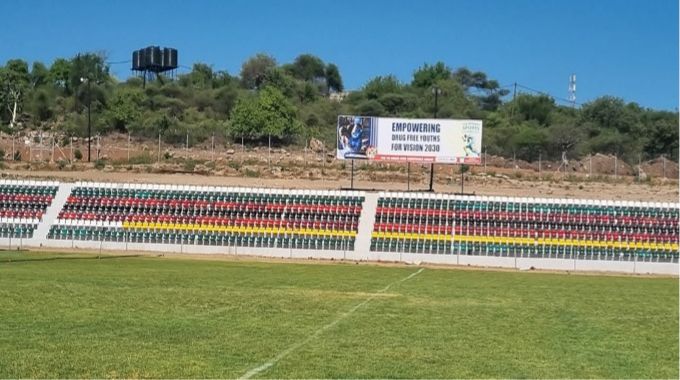
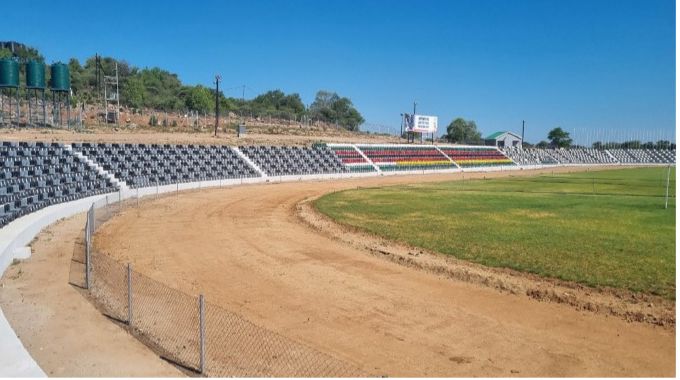
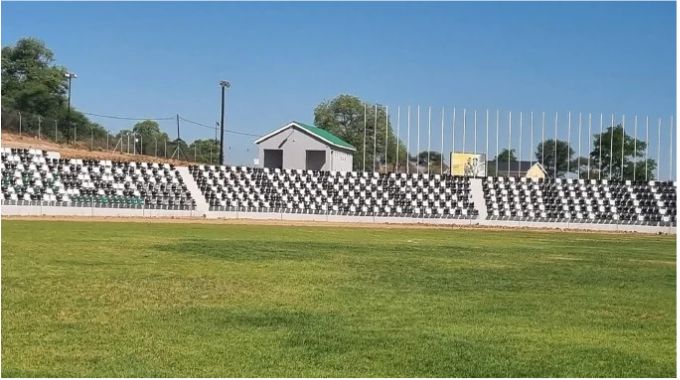
From boreholes and new classroom blocks to a stadium built on what was once a dense forest where people were usually waylaid and mugged, Maphisa has been a living testament to devolution in action.
Community members say they never imagined such developments could take place in such a short space of time.
The developments include blocks at Mahetshe Primary and Secondary Schools, an early childhood development (ECD) facility, solar-powered science laboratories, a girls’ dormitory and toilets at Minda High School and the refurbishment of Kezi Rural Hospital.
At Maphisa Centre, the iSizinda Cultural Centre celebrates the area’s heritage, while work at Ratanyana Monuments adds to the district’s liberation sites, a remembrance of its contribution to the country’s independence narrative and part of its cultural attractions.
The projects also include the US$10 million Joshua Mqabuko Nkomo Vocational Training College, the only one in the district whose communities used to travel far and wide to get vocational skills, Maphisa Stadium and a police post in the Maphisa administrative area.
The police post, which falls under Kezi, is expected to increase the area’s police presence.
For local learners, the expansion at Mahetshe is particularly significant. The primary school previously enrolled about 800 pupils, while the secondary school had capacity for only around 200.
Limited space at the secondary school meant some learners faced barriers to continuing their education, while Minda High was unable to accommodate them all.
Some would be absorbed by Shashane Adventist High School but they would need to commute and most of them could not afford that leading to a number of drop-outs after primary education.
New infrastructure is changing that picture, Maphisa has transformed.
Mahetshe Secondary School has received 11 blocks and toilets, while the primary school has 12 blocks.
Solar-powered science laboratories are expected to strengthen practical learning at both Mahetshe schools while ensuring that erratic electricity would not interfere with science learning.
The Independence Day projects have also drawn attention to infrastructure beyond Maphisa, including the road linking Maphisa to Gwanda.
Ministry of Local Government and Public Works’ deputy director for communication, Mr Wisdom Mudzungairi said the programme was designed to ensure communities benefited from national events through lasting development.
He said the legacy-project approach introduced by the Second Republic and undertaken in Maphisa had become a template for other areas, including Rutenga in Mwenezi, which is due to host next year’s Independence celebrations.
Mudzungairi also highlighted community ownership as essential to protecting the investment.
Residents, he said, had a role to play in safeguarding public facilities and preventing vandalism so that the projects could serve people for years to come.
From education and health to culture, transport and public safety, the projects have given Maphisa a broad development legacy.
“We are happy with the progress so far achieved in Maphisa. The projects provide a template for other places such as Rutenga in Mwenezi District where next year’s independence celebrations will be held,” said Mr Mudzungairi.