Africa Moyo recently in MAPHISA, Mat South
The cheers that rolled across Maphisa Stadium on Saturday were not just for goals scored and races won.
Some were for a promise kept by the Second Republic led by President Mnangagwa.
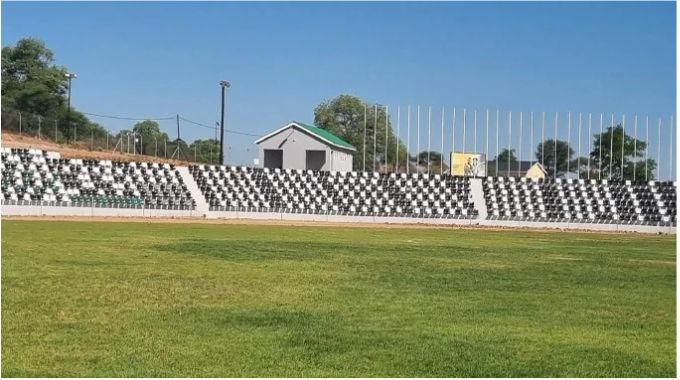
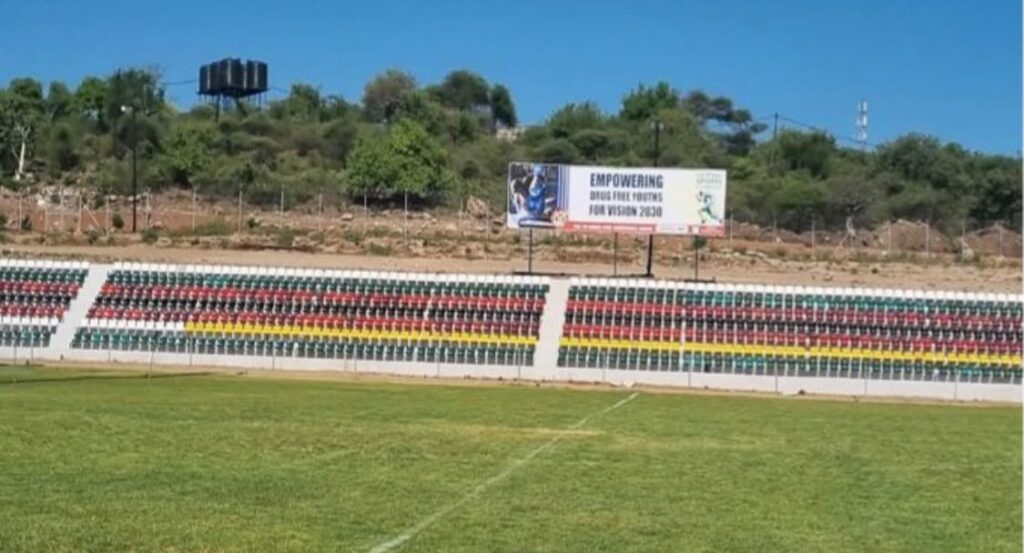
Seven months after Maphisa hosted the 46th Independence Day anniversary celebrations, the stadium built for that historic occasion came alive again on Saturday, this time for the third edition of the Dr K.C.D. Mohadi Youth Sports Expo 2026.
For the people of Matobo District, the tournament was evidence that legacy projects are not white elephants but living infrastructure, still working long after the national flags have been folded away.
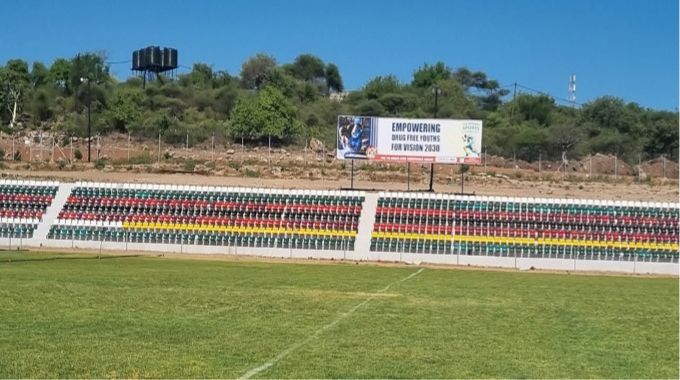
The Expo, held under the theme, “Empowering Drug-Free Youths for Vision 2030”, drew young people from all seven districts of Matabeleland South, Beitbridge, Bulilima, Gwanda, Insiza, Mangwe, Matobo and Umzingwane, for soccer, netball and a half-marathon that attracted runners from across the country.
As teams walked onto the same turf where Independence celebrations were held in April, the message was clear that what was built for one day is now serving the youth every day.
For Mr Nkosinathi Dube, a Maphisa resident who watched the finals from the bucket seats with his two sons, the stadium has changed the way the town sees itself.
“Before the construction of this stadium, our children had to travel to Gwanda or Bulawayo to play on a proper field.
“Now big tournaments come to us. We watched Independence here, and now we are watching our own children compete here.
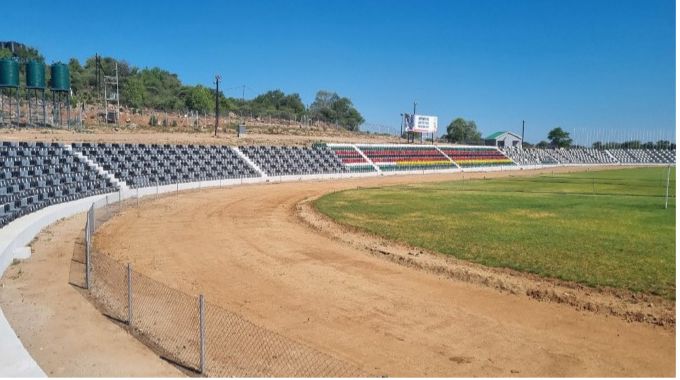
“This stadium has given Maphisa dignity. Our youths now believe they can be discovered from here,” said Mr Dube.
He added that the stadium has also created work for locals, from vendors selling food and drinks on match days to youths hired to help with preparations and security.
“When there is a tournament, business moves.
“Tuckshops sell more, transporters get passengers, and our children are kept busy with sport instead of loitering and abusing drugs,” he said.
Ms Sihle Moyo, a vendor who set up her stall near the stadium entrance, said the road from Bulawayo to Maphisa that is under construction has made a difference.
“In the past, travelling to Maphisa from Bulawayo was difficult, especially in the rainy season. The road was bad, and buses avoided it,” she said.
“Now, many sections of the road are good. Teams from Beitbridge, Gwanda and Bulawayo arrive relatively easily. Even visitors from Harare came for this marathon without fear. That is development from the President we can see with our eyes.”
Ms Moyo said the improved road had cut travel time and transport costs, allowing traders to bring goods from Bulawayo cheaply and allowing farmers to take livestock and produce to bigger markets.
“The road and the stadium came together. One brings people here, the other gives them a place to gather.
“Maphisa is no longer a place people pass through. It is a destination,” she said.
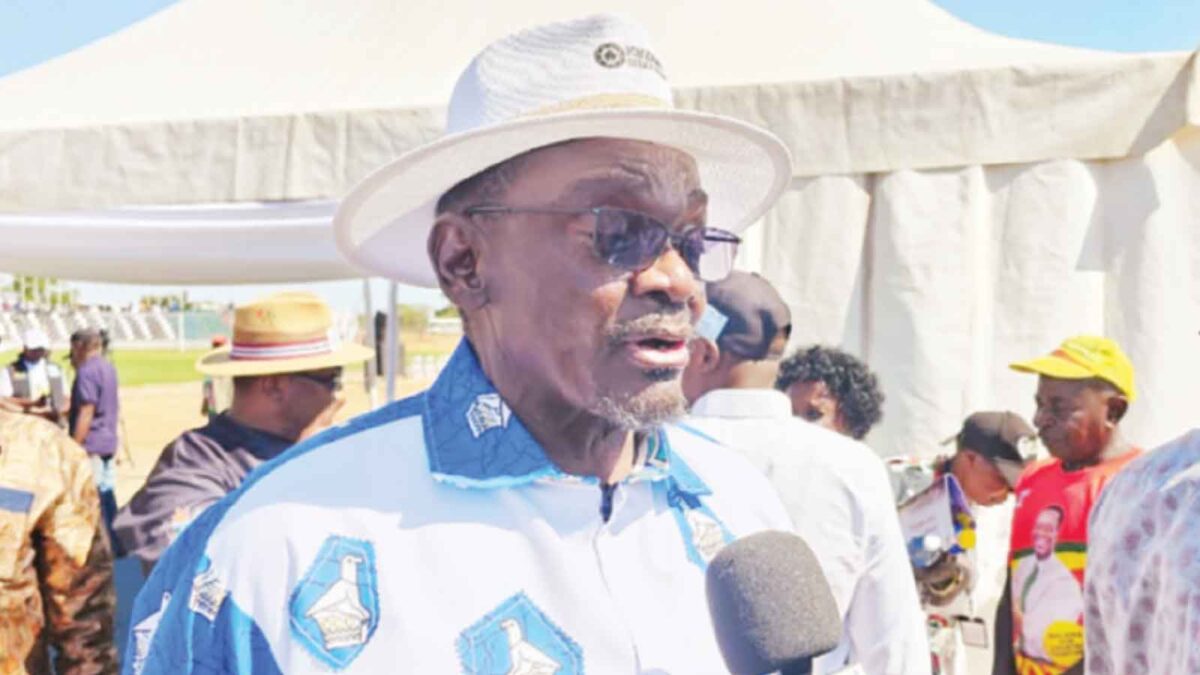
It was against that background that Vice President Dr Kembo Mohadi addressed the crowd, challenging young people to protect their health and use sport as a pathway to a better future.
He said the theme of this year’s Expo placed a clear responsibility on everyone to protect young people from drugs and substance abuse while equipping them with the skills, discipline and opportunities to contribute meaningfully to national development.
“Vision 2030 requires healthy, skilled, innovative and responsible citizens,” VP Mohadi said.
“The young people gathered here have an important contribution to make as athletes, farmers, entrepreneurs, artisans, professionals and community leaders.”
He told the youths that their health, abilities and future deserved protection, encouraging them to reject drugs and substance abuse, resist harmful peer pressure and support their peers to make responsible choices.
For those already struggling with substance use, he said families and communities must offer support and access to treatment and rehabilitation, so that they can recover and rebuild their lives with dignity.
VP Mohadi said sport allows the nation to reach young people, develop their confidence and teach them discipline.
He said the Expo must be linked to mentorship, life-skills education, counselling and practical economic opportunities.
“The Expo should, therefore, help young people discover where they can acquire skills, obtain business advice, access markets and develop sustainable livelihoods,” he said.
He added that for Matabeleland South, opportunities in agriculture, livestock production, tourism, mining and other enterprises should form part of the conversation, so that young people can participate safely, legally and productively in their local economies.
VP Mohadi laid out clear expectations for the future of the tournament.
He said it must lead to continued sporting development, with associations, schools, clubs and sponsors identifying promising participants and supporting them through coaching and mentorship.
He said activities must continue beyond the event, with districts promoting regular training and competitions, supported by drug prevention education.
Empowerment must be inclusive, he also said, with girls and young women given fair access to equipment, facilities, coaching and recognition.
Young people with disabilities must also have meaningful opportunities to participate, as shown by the wheelchair racers in the half-marathon.
Organisers must also demonstrate results by recording participation across all seven districts and following up on the opportunities created, so that by the next edition they can report how the programme has helped young people progress in sport, training, enterprise and healthy living, VP Mohadi added.
He also called for discipline and fair play, urging players, officials and supporters to respect the rules, reject violence and uphold the dignity of the tournament.
“Compete with determination, celebrate victory with humility and accept defeat as an opportunity to learn,” he said.
“Carry the discipline you demonstrate on the field into your classrooms, workplaces, homes and communities.”
He thanked sponsors and partners for their support in cash and kind, saying their contributions were a testament to confidence in nation-building programmes.
As the sun set over Maphisa Stadium, with medals handed out and friendships formed across districts, the legacy was no longer an abstract idea.
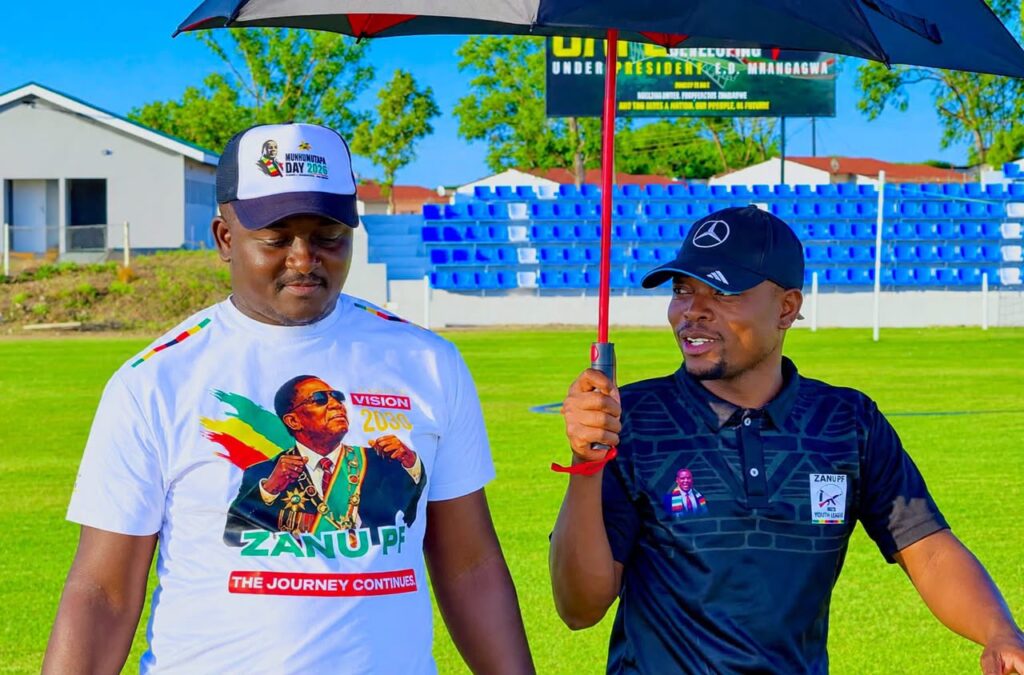
It was a stadium full of youths, a good road on completion bringing them home safely, and a generation being told, clearly, that a healthy, drug-free youth is the foundation of Vision 2030.