Online Reporter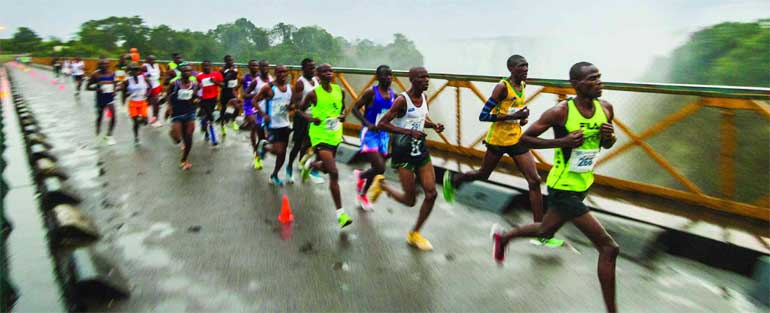
IN this era where marathon fever has swept across Zimbabwe, it is essential to reflect on how we can make these events truly inclusive.
Beyond the competitive spirit, marathons should become platforms that welcome and accommodate participants of all ages, abilities, and backgrounds.
From children discovering the joy of running, to seniors embracing fitness as a lifestyle, every generation deserves a space in this movement.
By designing diverse race categories, offering accessible routes, and creating community-centred activities around the events, we can ensure that the marathon culture grows not only in numbers but also in unity and inclusivity.
Marathons can be surprisingly helpful for non-runners, not necessarily by running the full 42 km, but through participation, spectating, or even light training. They promote healthier habits, build community spirit, and offer inspiration without requiring you to be an athlete.
Benefits for non-runners
Health motivation Training for even a short distance (like 5K or 10K events often linked to marathons) encourages regular exercise, better nutrition, and reduces risks of chronic diseases such as diabetes and heart disease.
Mental resilience Preparing for or completing any distance builds discipline, confidence, and stress relief. The sense of achievement boosts self-esteem.
Community connection Marathons unite people of all backgrounds. Non-runners benefit by volunteering, cheering, or joining charity walks, fostering inclusivity and civic pride.
Risks and considerations
Overtraining injuries: Non-runners attempting full marathons without preparation risk joint strain or exhaustion. Start small (5K/10K).
Time commitment: Proper training requires months of consistent effort.
Alternative involvement: Volunteering or spectating avoids physical strain while still offering social and cultural benefits.
Key beginner training tips
Choose the right plan Most first-timers succeed with a 16–20 week plan. Shorter plans (12 weeks) are better for experienced runners. Pick one that matches your fitness and schedule.
Build base mileage Before starting, aim for 20–30 miles per week consistently without injury. This foundation prevents overuse injuries.
Mix workouts Include long runs (to build endurance), easy runs (for recovery), speed sessions (to improve efficiency), and strength training.
Prioritise recovery Rest days are essential. Stretching, foam rolling, and sleep help muscles adapt.
Fuel and hydrate Practice eating and drinking during long runs. Carbohydrate loading before race day and steady hydration are critical.
Listen to your body If you feel pain beyond normal soreness, scale back. Injuries often come from increasing mileage too quickly.
Risks and considerations
Overtraining injuries: Shin splints, knee pain, or stress fractures are common if mileage increases too fast.
Time commitment: Expect four to five runs per week, with long runs taking several hours.
Local context (Zimbabwe): Training in Mutare’s hilly terrain can build strength but requires pacing adjustments. Hydration is especially important in warmer climates.
Fill up at the right time
Your biggest main meal should be two nights before the race, not the night before.
If you are racing on Sunday, Friday night is when you will be working in that bit of extra pasta, rice and potato. This allows your final 24 hours to be a bit lighter, avoiding that heavy bloated feeling when you run.
Cut down on protein and fibre
In the final 48 hours before your race, have less protein and fibre, and try to make your meals more carbohydrate based.
A big steak is unlikely to provide the best fuel on race day and very high fibre meals leave the risk of digestive discomfort during the race.
Small but often
Aim to spread your fuel intake rather than relying on two to three huge main meals. In the final two days, graze slowly throughout the day trying to get high quality carbs in every three hours or so. Your body will find it much easier to digest and store that way.
Don’t go carb crazy
Avoid the temptation to overload on pasta the night before the race as that can leave you feeling stuffed and bloated on race day.
A simple pasta dish or risotto dish, early on in the evening before your race, is ideal.
Stay hydrated
Aim for two to three litres of fluids each day in race week and consider adding essential electrolytes you will need during the race.
Also try to avoid caffeine in the 48 hours before as this can help maximise the effects of any caffeine you take on board on race day.
You need a good, energy-filled breakfast two to three hours before the race. — Online