Online Reporter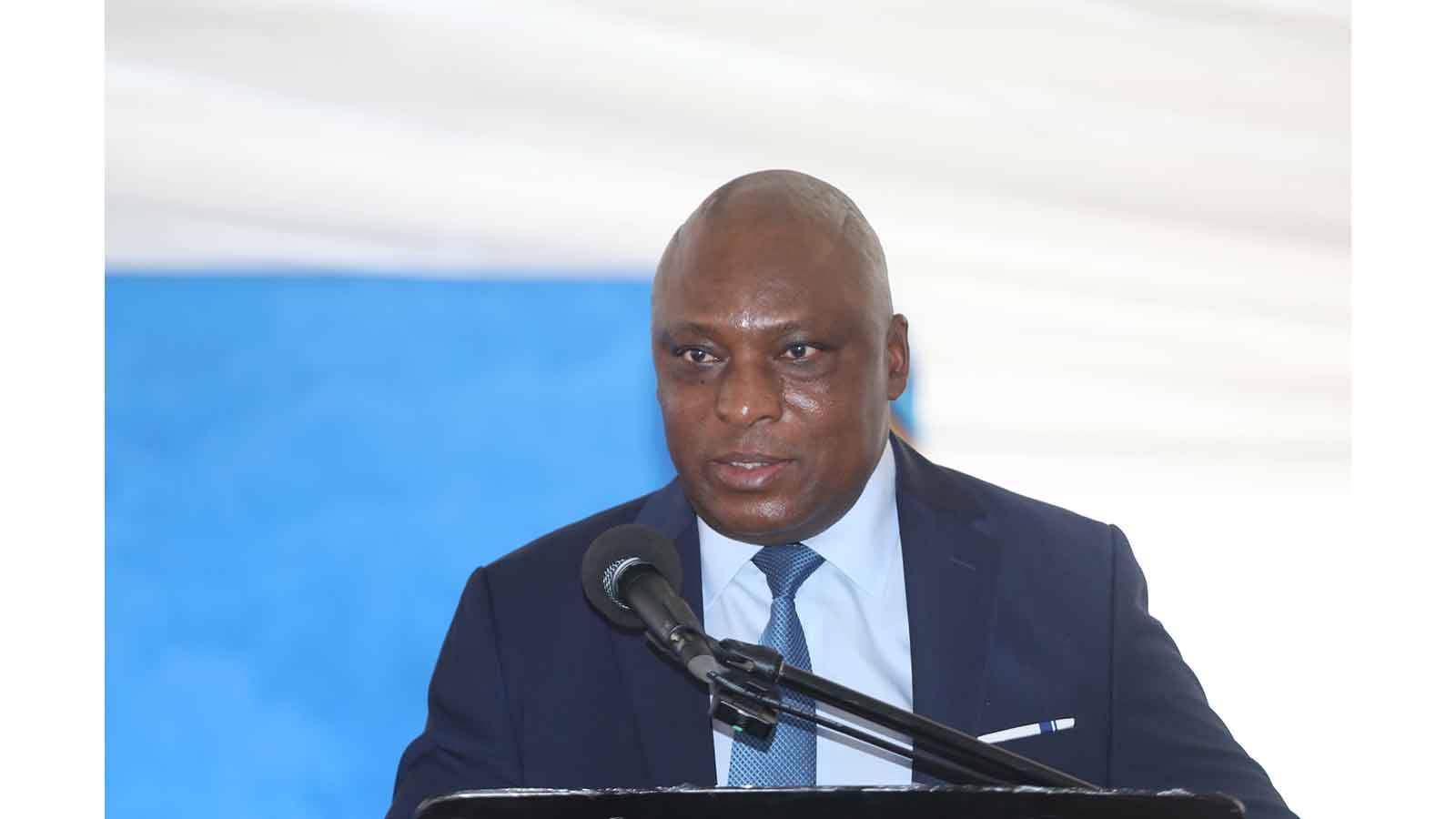
Senior Reporter
THE country’s return to a mono-currency is no longer about setting a date, but meeting economic conditions, with Reserve Bank of Zimbabwe Governor Dr John Mushayavanhu declaring that the transition will be market-led and anchored on sustained macro-economic stability.
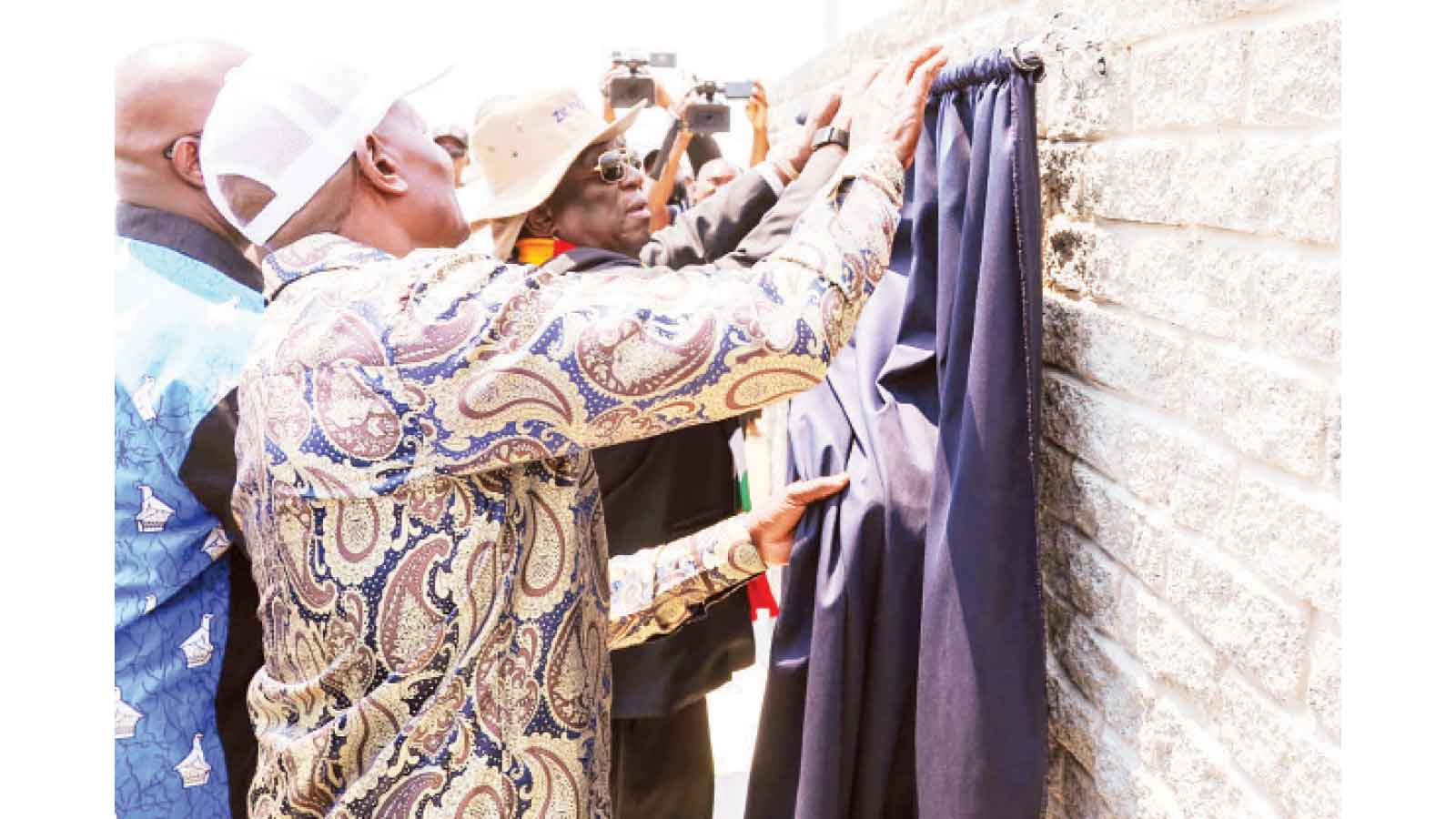
He made the remarks on Monday during the launch of the new Ecobank headquarters in Harare, which was officiated by President Mnangagwa, effectively putting to rest speculation that Zimbabwe could move to a mono-currency on a predetermined date.
Instead, the timing of the transition will depend on the country achieving conditions set out under the National Development Strategy 2 (NDS2), chief among them durable macro-economic stability, adequate foreign currency reserves and an efficient foreign exchange management system.
“Let me reiterate that the transition to mono-currency, which has been talked about, is going to be market-led.
“It is no longer dead rest, but contingent upon meeting conditions outlined in the National Development Strategy 2,” he said.
Dr Mushayavanhu also said banking institutions should not restrict lending tenures to 2027 on the assumption that Zimbabwe will have transitioned to a mono-currency by then.
“Banking institutions should not limit lending tenures to 2027 because the transition to mono-currency is no longer date-based, but is based on the conditions presented,” he said.
The clarification is significant for borrowers and the banking sector, as it removes the assumption that loans extending beyond 2027 could be exposed to an imminent currency regime change.
Dr Mushayavanhu said Zimbabwe had already made progress on some of the key conditions, particularly maintaining low and stable inflation and establishing an efficient foreign currency management system.
Authorities expect annual inflation to remain in single digits, while month-on-month inflation is anticipated to stay below one percent.
The country, however, still has significant ground to cover on foreign currency reserves, which remain below the NDS2 benchmark required to underpin a successful transition.
The RBZ Governor said Zimbabwe was targeting reserves equivalent to between three and six months of import cover in the medium to long term.
“Currently, we are sitting at about 1,7 to 1,8 months of import cover, we still have a way to go, but we will get there,” he said.
The reserve position means Zimbabwe needs to substantially strengthen its foreign currency buffer before reaching even the lower end of the three-month import-cover threshold.
Import cover measures how long a country’s foreign currency reserves can finance its imports and provides an important buffer against external shocks and foreign currency shortages.
Monetary authorities anticipate Zimbabwe’s current account to remain in surplus at about US$2,5 billion this year, largely underpinned by diaspora remittances and merchandise exports.
The emphasis on building reserves comes against the backdrop of Zimbabwe’s previous experience with currency instability and foreign currency shortages.
Zimbabwe moved from the multi-currency system to a mono-currency regime in 2019, but the transition was followed by severe foreign currency shortages.
The Government later estimated outstanding foreign payments arising from the period at about US$3,3 billion, which became blocked funds or legacy debt.
The experience underlined the importance of ensuring that adequate foreign currency is available to support businesses and essential imports before undertaking a fundamental change in the currency regime.
Dr Mushayavanhu said Zimbabwe had, however, made progress in developing an efficient foreign currency management system aimed at eliminating market segmentation and improving access to foreign currency for legitimate transactions.
“I think that one, we are already there, Your Excellency,” he said.
The emphasis on an efficient foreign currency market also reflects lessons from previous periods of instability, when foreign currency shortages and distortions between formal and parallel markets exerted pressure on businesses and prices.
Under NDS2, macro-economic stabilisation is a key foundation of the country’s broader development agenda, which seeks to support sustainable economic growth and advance Zimbabwe towards its Vision 2030 targets.
Dr Mushayavanhu’s remarks provide the clearest indication that the authorities will not be guided by an arbitrary deadline in determining when Zimbabwe should move to a mono-currency regime.
And thus, the transition will be triggered by the strength and durability of the economic fundamentals required to sustain a stable currency environment.
This means that while progress has been made on inflation and foreign currency management, the country still has to build a substantially stronger reserve cushion before it can meet the minimum threshold outlined under NDS2.
The market-led approach will allow authorities to assess the resilience of economic stability before making the fundamental shift to a mono-currency regime.
Dr Mushayavanhu’s remarks come as the Government continues implementing measures under the Second Republic’s economic transformation agenda, with monetary and fiscal stability remaining critical to restoring confidence, strengthening investment and supporting sustainable economic growth.