Online Reporter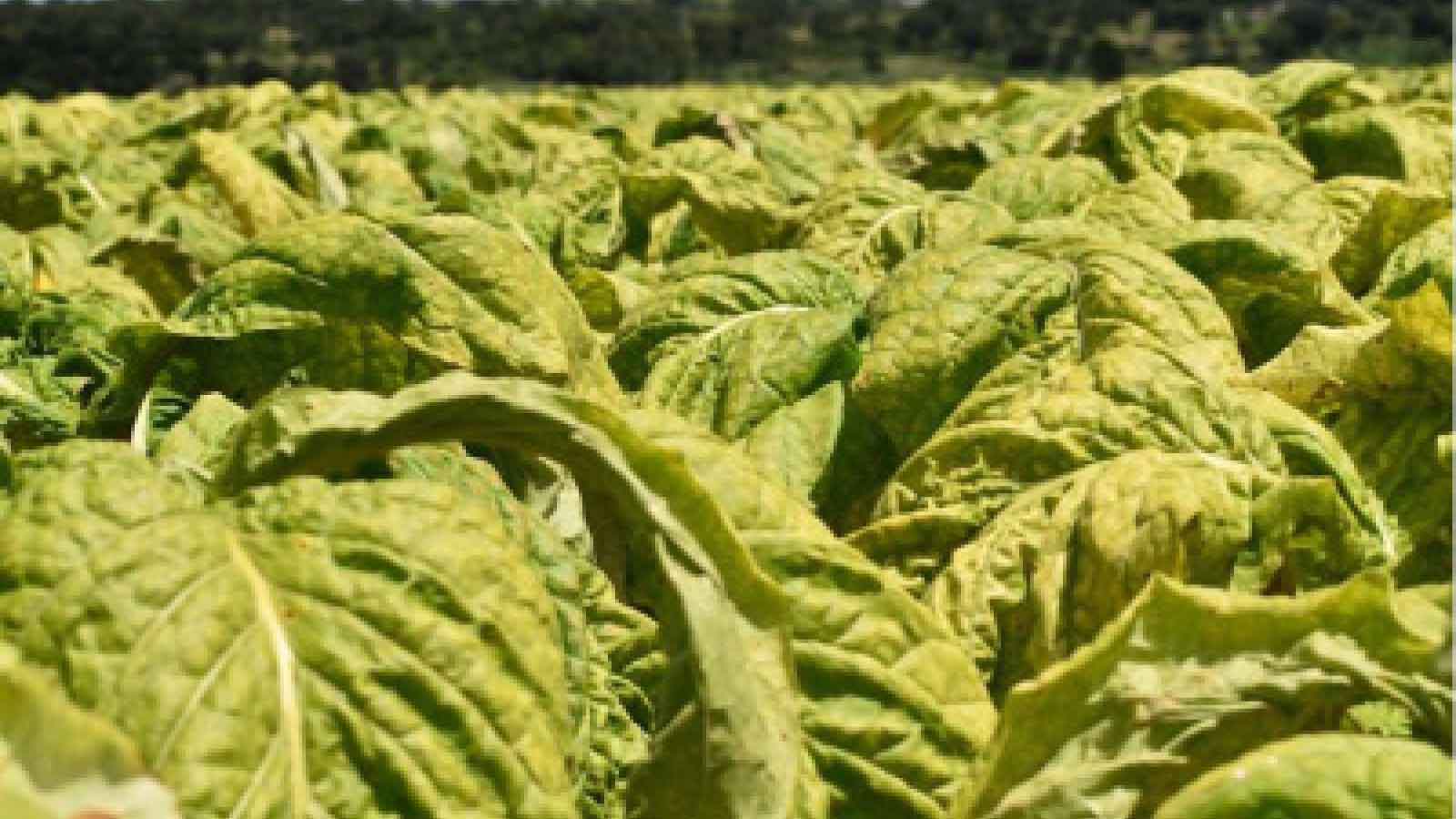
Obert Chifamba-Agri-Insight
RECENT dour price forecasts and grim export reports seem to have sent tobacco farmers’ high optimism for viable prices this season tripping with most of them seemingly forgetting one simple thing — premium-grade tobacco remains a scarce input for blenders and specialty brands, which keeps prices for the best material relatively resilient.
Naturally, a high-quality harvest can blunt the impact of negative market headlines and protect farm-level revenues.
Well-grown and properly cured tobacco leaves can cut through market noise and keep price negotiations in the farmer’s favour.
This is the inevitable reality that should at the moment keep farmers’ hopes alive for a rewarding season. The fact that most of the tobacco that will be sold in the first days of the season is from the early planted dry land and irrigated crop still acts in the farmers’ favour in that they only need to be very particular about the way they harvest, cure, grade and even bale their crop.
This will have a telling impact on the quality of the crop they will eventually deliver to the floors and the revenue growers will earn.
It is an undisputed fact in agriculture that when shelves brim with produce, prices slip and even premium produce drowns in the tide.
This may easily be different from what can happen in the 2026 tobacco marketing season that gets underway today starting with the auction floors.
Contract floors will follow suit tomorrow. Obviously, a quieter story will unfold with discerning buyers naturally going to pay up for proven quality with price premium becoming the lifeline for growers squeezed by oversupply.
Good times are evidently expected to roll with the newly introduced system in which farmers are billed to get their payments just 30 minutes after completing the marketing transactions, thanks to the ongoing efforts to digitalise most agricultural processes from production to marketing.
This expedited payment system bolstered by the stark reality that most farmers will deliver quality tobacco must come as the icing on the cake after the good prices spawned by the high leaf quality they are known to produce.
This analysis seeks to peel back the market noise to show how product differentiation, brand trust, and targeted distribution can protect margins and how preserving quality standards can be the difference between a viable harvest and a farm-level loss.
Let us look at some of the quality factors that consistently drive a price premium for tobacco (influenced by crop, processing, and market-facing attributes) starting with the crop and leaf level-influenced ones.
The leaf grade and size is one key factor that the farmers should always pay attention to, as they go about their production, harvesting, curing, grading and packing processes. Larger, evenly formed leaves with consistent thickness will naturally fetch higher prices because they yield more usable leaf and simplify the processing or blending of the leaf.
The farmers should also remember that the nicotine content and chemical profile of their leaf is important. Predictable nicotine levels and desirable alkaloid balances matter for those manufacturers targeting specific product formulations while the colour and appearance is equally important too.
Essentially, no serious buyer will resist the urge to offer a good price for a leaf with an even or gloss colour while the absence of blemishes or spots signal maturity and proper curing. These visual cues influence buyers’ willingness to pay, hence the need for farmers to commit a special chunk of their time to ensuring that the leaf they will eventually deliver to the floors makes the expected grade.
The texture and elasticity of the leaves is also meant to be from the top drawer. Leaves must be pliable and not brittle to make handling easier during manufacturing process. They must be fully mature to cut on wastes and defects.
It is a fact that buyers want a product that is disease and pest-free. Low incidences of fungal, bacterial, or insect damage preserve usable leaf percentage and safety, commanding premiums in the process.
The most crucial stages at the conclusion of the production process are curing, processing, and handling. Correct air-curing, flue-curing, or fermentation develops the preferred flavours, reduces harshness and stabilises chemical profiles — a major value driver in its own respect.
The other important observation is that farmers must aptly control the moisture content of the leaf. Stable, appropriate moisture levels prevent moulding and preserve handling characteristics – a development that helps lower the downstream processing costs.
Baling on the one hand, should be consistent with leaves of the same size, grade and colour, just to name a few requirements, being packed and sold in bales under the same consignment. Consistent batch-to-batch quality reduces sorting costs for manufacturers and increase willingness to pay among buyers.
After everything is done and wrapped up, the farmer can do himself a huge favour through maintaining post-harvest hygiene and traceability. Clean handling and documented provenance are reputed for lowering contamination risk and supporting premium positioning, especially for regulated or export markets.
The crux of the matter here is that farmers should strive to maintain product quality right from the seed bed until it gets to the floors. Product quality significantly influences buyer preferences in many ways. This is important especially during a time when there is market product saturation, that in most cases trigger a drop in product value with producers losing the power to bargain.
In the current scenario, farmers must get solace in the fact that high-quality products often create a perception of greater value, leading buyers to feel they are making a worthwhile investment. Remember, these buyers also have brand names to protect. When they buy tobacco from the farmers, they will be selling it to processors situated in various global destinations where there is also competition for quality products.
No buyer wants to be associated with low quality products. They all want to be known as traders in high-quality merchandise and in the process build and protect their reputations. They will obviously not ignore good quality tobacco when they see it. Consistently high-quality products have a compelling presence and are difficult to ignore. Such products can foster brand loyalty, encouraging repeat purchases and word-of-mouth referrals.
As a matter of fact, the problem of market saturation should worry that farmer whose tobacco is of poor quality. Those farmers that are used to producing competitively should take the current situation as something they are used to and experience every season. To them, product quality can serve as a key differentiator, setting a brand apart from its competitors in competitive markets.
Overall, product quality is known to align meticulously with buyer preferences, influencing their decisions, satisfaction, and long-term loyalty.