Online Reporter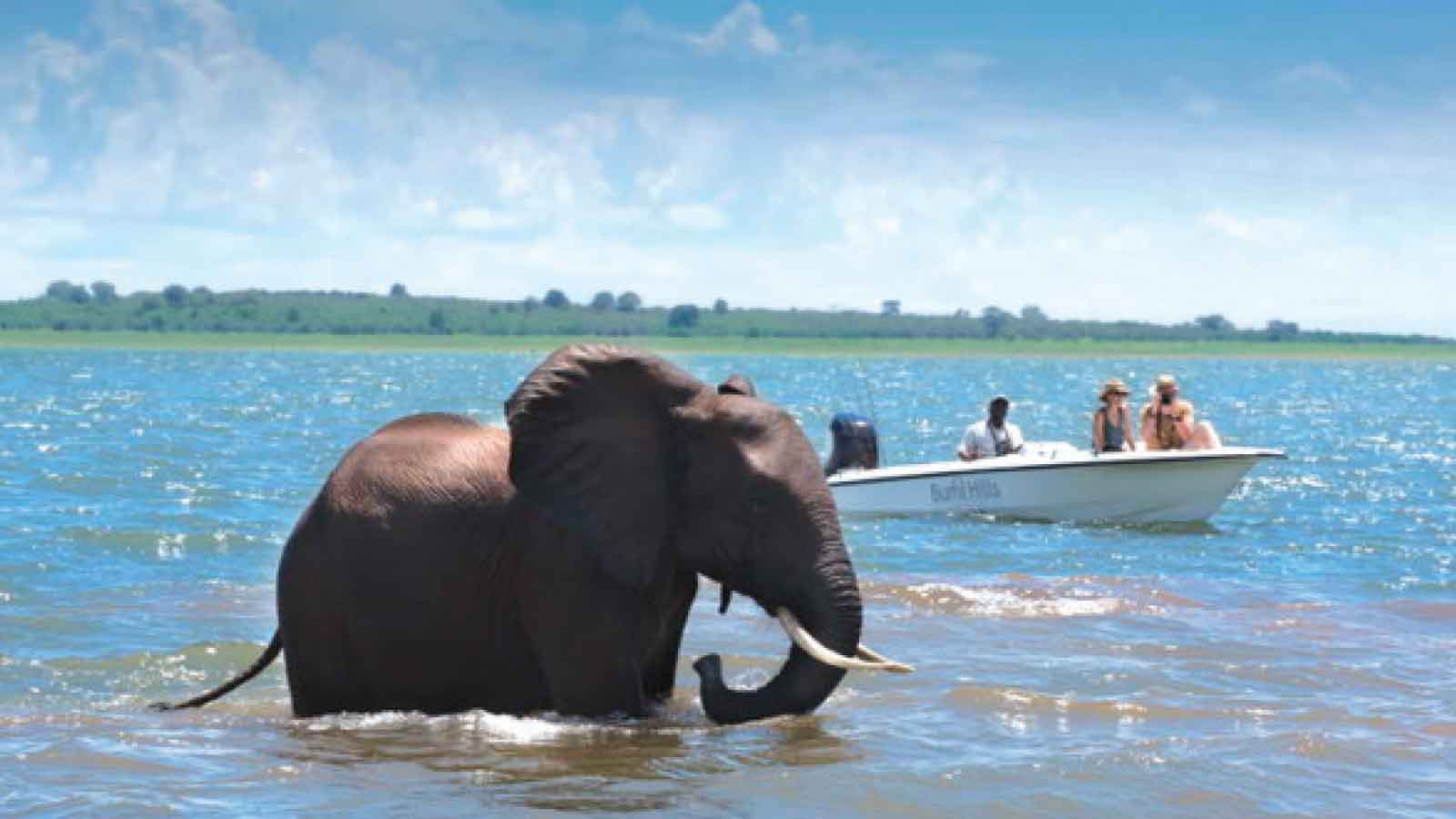
Herald Correspondent
As the world commemorated World Wildlife Day, Zimbabwe joined the global community in reflecting on the value of wildlife and the urgent responsibility to protect it. For us, this day is not merely symbolic — it is deeply personal.
Wildlife is woven into the fabric of our national identity, our economy and our environmental security.
From the vast plains of Hwange to the thunderous spectacle of Victoria Falls, Zimbabwe’s natural heritage is both a source of pride and a pillar of sustainable development.
World Wildlife Day, observed annually on March 3 under the auspices of the United Nations, calls on nations to celebrate wild fauna and flora while raising awareness about the threats they face.
For Zimbabwe, the occasion resonates strongly because we are custodians of one of Africa’s richest biodiversity endowments. Our elephants, lions, rhinos, buffalo and countless other species are not abstract symbols; they are living assets that sustain communities and ecosystems alike.
The majestic elephant herds of Hwange National Park stand as a testament to Zimbabwe’s conservation legacy. Yet even here, pressures are mounting.
Climate change‑induced droughts, habitat encroachment and human‑wildlife conflict are growing challenges.
As water sources dry up and grazing land shrinks, animals increasingly wander into communities in search of sustenance, often with tragic consequences for both people and wildlife.
Similarly, the iconic landscapes surrounding Victoria Falls are not merely tourist attractions but complex ecosystems that support biodiversity and livelihoods.
Tourism linked to wildlife contributes significantly to Zimbabwe’s economy, generating employment and foreign currency. However, tourism can only thrive if conservation remains robust and forward‑looking.
Zimbabwe has often been cited as a regional leader in community‑based conservation.
The CAMPFIRE programme, launched decades ago, empowered rural communities to benefit directly from wildlife management.
By linking conservation to tangible economic returns, it fostered a sense of ownership and stewardship. While the programme has faced funding and operational constraints over the years, its foundational philosophy remains relevant: people protect what they benefit from.
On Wildlife Day, it is worth acknowledging that conservation in Zimbabwe operates within a complex socio‑economic environment. Communities living adjacent to national parks bear the brunt of wildlife encounters.
Crops are destroyed, livestock lost and, in some cases, lives are tragically cut short.
Conservation cannot be divorced from the lived realities of rural Zimbabweans. If wildlife is to survive, policies must balance ecological preservation with human security.
The role of the Zimbabwe Parks and Wildlife Management Authority is central in this regard.
Rangers, often working with limited resources, are on the frontlines against poaching syndicates and environmental degradation. Their work deserves recognition and sustained support.
Illegal wildlife trade remains a transnational threat, driven by demand beyond our borders. Combating it requires regional co‑operation, intelligence sharing and investment in technology.
Climate change adds another layer of complexity.
Prolonged droughts have strained water points in protected areas, forcing authorities to intervene with boreholes and artificial watering systems.
While such measures are necessary in the short term, they underscore a broader vulnerability.
Zimbabwe’s wildlife conservation strategies must increasingly integrate climate resilience, habitat restoration and scientific research.
It is also imperative to consider the younger generation.
Conservation education should not be an afterthought. Schools, universities and civic institutions must cultivate environmental consciousness as a core civic value.
World Wildlife Day offers an opportunity to ignite that conversation, reminding young Zimbabweans that safeguarding biodiversity is not solely the responsibility of authorities but of every citizen.
Furthermore, sustainable investment in eco‑tourism and conservation infrastructure can unlock new opportunities.
Responsible tourism models that minimise environmental footprints while maximising community benefits are essential.
Investors, policymakers and local leaders must collaborate to ensure that economic development does not come at the expense of ecological integrity.
Zimbabwe’s Vision 2030 aspirations for an upper‑middle‑income economy are intertwined with environmental sustainability.
Natural capital is real capital.
Forests regulate climate, wetlands filter water and wildlife attracts global interest.
Depleting these assets would undermine long‑term development goals; conversely, preserving them strengthens resilience and global competitiveness.
World Wildlife Day should therefore be more than ceremonial speeches and social‑media messages. It should serve as a checkpoint.
Are our policies adequately protecting endangered species?
Are communities empowered to coexist with wildlife?
Are investments in conservation and eco‑tourism sustainable and impactful?
For Zimbabwe, the stakes are high. Our wildlife is not merely an economic or aesthetic asset; it is a legacy.
As we celebrate World Wildlife Day, the message is clear: protecting our wildlife is protecting our future.
It requires vigilance, resources, political will and the collective commitment of all Zimbabweans.
If we rise to the challenge, we ensure that generations yet unborn inherit a Zimbabwe rich in biodiversity, beauty and opportunity.
Wildlife Day is a reminder that conservation is not optional — it is a moral, economic and ecological imperative.
In honouring our animals and ecosystems, we honour ourselves and the nation we aspire to be.