dyton mupawaenda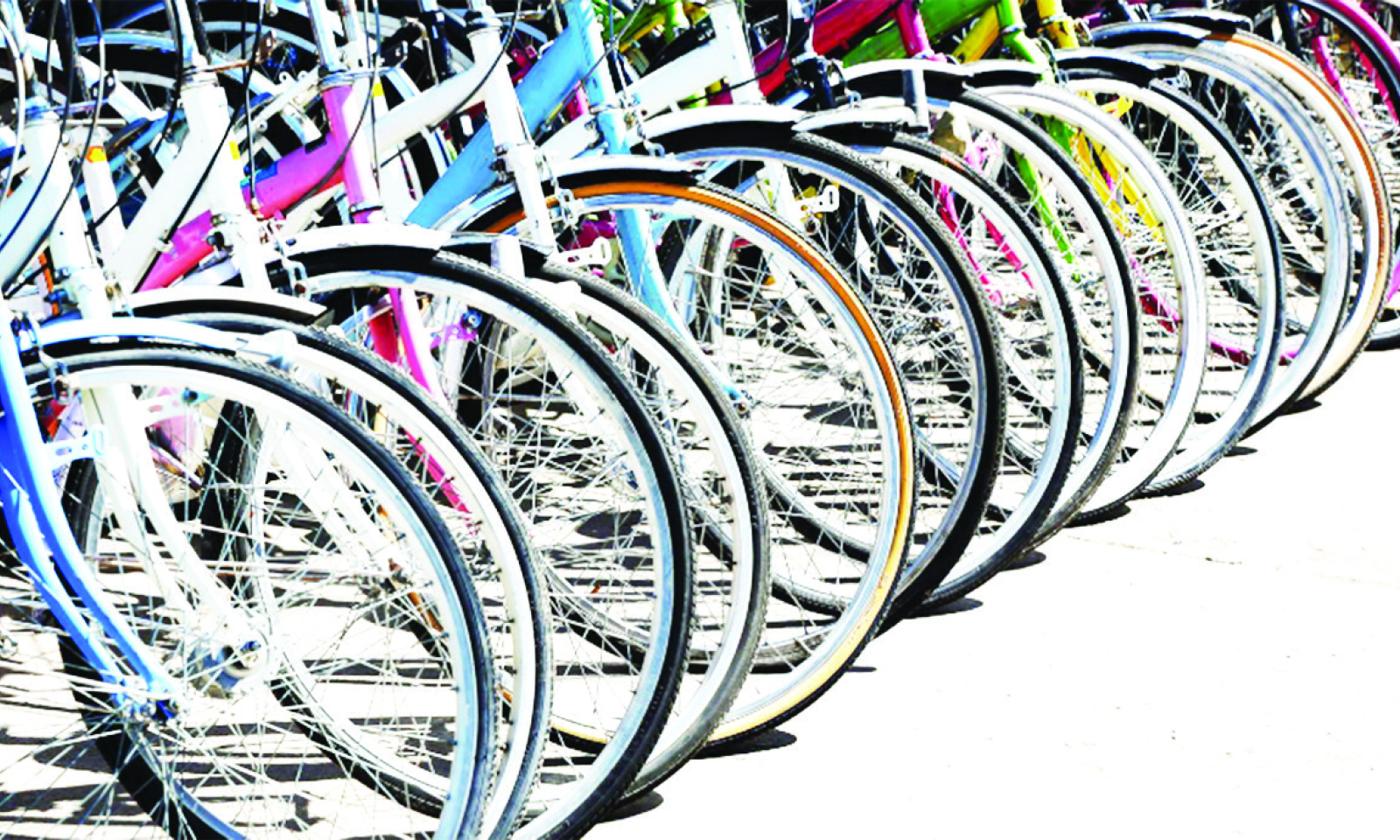
Latwell Nyangu
THE Municipality of Marondera’s introduction of an annual US$5 bicycle licence fee generated a lot of social media debate yesterday.
But, the reality is that such a licence fee exists in Harare but it has largely not been enforced by the city fathers.
In a statement yesterday, authorities in charge of Marondera announced the introduction of the bicycle licence fee.
“Today, the Municipality of Marondera would like to inform all bicycle owners and cyclists that they are required to pay an annual bicycle licence fee of US$5 per year.
“Cyclists and bicycle owners are hereby reminded that it is an offence to cycle an unlicenced bicycle within the municipal jurisdiction of any local authority.
“Cyclists are being encouraged to licence their bicycles to avoid any inconvenience.
“Cyclists, who operate their bicycles without being licenced, risk being fined in line with approved budget rates.
“Council looks forward to your continued cooperation.”
A similar licence fee has been part of the City of Harare by-laws since 2016 which read:
· No person shall use on any road within the Council area any cycle which is ordinarily kept within the area unless it has been licenced in terms of these by-laws.
· On the 1st of January in each year, the owner of a cycle which is ordinarily kept and used on any road within the Council area shall obtain a licence for the cycle.
· The period of validity of every licence shall terminate on 31 December in the year of issue.
· The application for any cycle licence under these by-laws shall be made by the owner of the vehicle to the licencing official.
In Denmark, some municipalities have introduced taxes or fees for electric bicycles, particularly those that exceed certain price thresholds.
In Germany, in some cities, there are registration fees for bicycles, especially for e-bikes, to help fund infrastructure and maintenance.
In January this year, Switzerland announced it was considering introducing a bicycle tax.
This cycling tax, if introduced, could possibly be implemented, said the Swiss Government, as either an annual fee, a physical or digital vignette, or a surcharge added to the purchase of each bike in the country.


 Online Reporter