


 malvernmugadzikwa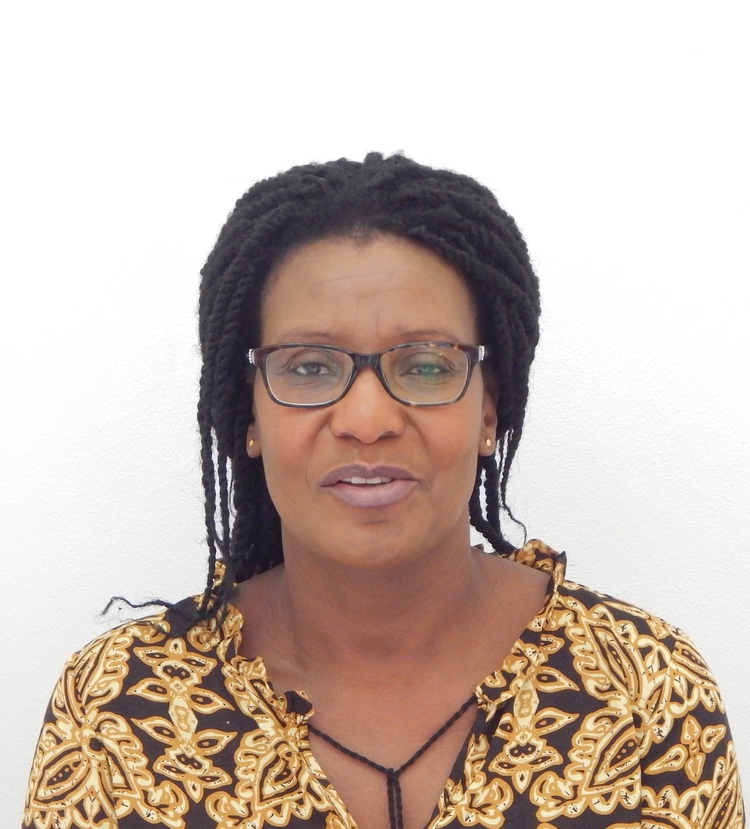
Disability Issues
Dr Christine Peta
SOCIETY often places marriage on a pedestal, viewing it as a path to love, acceptance and security.
But for women with disabilities, this path can be fraught with challenges and societal expectations. This article delves into the intersection of disability, womanhood and marriage, exploring the unique experiences and considerations faced by this demographic.
For women with disabilities, marriage holds an additional promise — that of escaping the stigma that is linked to disability.
Women with disabilities are generally regarded as sub-standard beings. Most of them encounter great difficulty in securing marriage partners. Arranged marriages are not common in Zimbabwe, but the high level of family interference in marriages increases the challenges that women with disabilities experience.
Some people are reluctant to accept women with disabilities as daughters-in-law (varoora) in their families. Men who may have fallen in love with women with disabilities are often castigated by their family and community members, to the extent that they can be left with no choice but to abandon their lovers.
There is a general belief that bringing a woman with disabilities into a family through marriage will result in numerous misfortunes, which include the birth of children with impairments. However, most types of impairments are not genetically transferred.
Such beliefs are also aggravated by the fact that in most African countries, disability is associated with witchcraft, evil spirits and breaking of traditional taboos.
Also, in African contexts, a good woman is one who is reportedly capable of carrying the feminine “burdens” of sacrificing for her family, working hard, growing vegetables, cleaning, gathering firewood and cooking for her husband and children, and extended family members at gatherings such as funerals and traditional marriage ceremonies of her husband’s relatives.
Such expectations present challenges for women with disabilities in their quest to get marriage partners, because of a general societal belief that disability prevents them from fulfilling such traditional roles.
Disability, therefore, complicates femininity, resulting in some women losing their entire status, in scenarios where they are at risk of being judged as completely useless, unfit for marriage and child bearing.
However, in our African context, sexual activity and reproduction which happens outside marriage are often branded as deviant behaviour and may attract heavy traditional penalties.
The irony of the matter is that women with disabilities are reportedly regarded as useful in situations where they can be used to satisfy the needs of some men.
For example, some traditional healers prescribe sex with virgins as a cure for HIV/AIDS.
Consequently, women with disabilities become easy prey for perpetrators, who assume they are innocent of sexual thoughts, feelings and experiences, and are, therefore, virgins.
Approximately 87 percent of women with disabilities have at one point or the other experienced sexual violence and in the process, 29 percent of the women have contracted HIV/AIDS.
Nonetheless, in our country, the robust disability rights awareness raising programme that has been rolled out by the Department of Disability Affairs in the Ministry of Public Service, Labour and Social Welfare has resulted in a surge of persons with disabilities realising their right to marriage and reproduction.
Most of the unions are also stable.
However, research has also indicated that some women with disabilities may prefer to confine themselves to a life of celibacy for fear of being rejected. Some of them may choose marital partners with disabilities as they believe such relationships may offer them solidarity, friendship and common values.
The irony of the matter is that by the year 2010, 52 out of 54 African countries had signed the Convention on the Elimination of All Forms of Discrimination Against Women. Only Somalia and Sudan did not sign.
There is need for all of us to join hands to ensure total elimination of practices that give rise to attitudes, practices and rituals that result in the marginalisation of women with disabilities, including in the terrain of marriage and reproduction.
Dr Christine Peta is a disability, public health, policy, international development and research expert. She is the national director of disability affairs in Zimbabwe. She can be contacted on: [email protected]


 Bongani Ndlovu
 Online Reporter